Plating Pro: How to make everyday recipes look gourmet for stunning visuals?

Ever wondered how top chefs make even the simplest dishes look like works of art? The secret often lies not just in the cooking, but in the plating. Elevating your everyday recipes from delicious to visually stunning is a skill that’s surprisingly easy to learn, and it can dramatically enhance the dining experience. You don’t need fancy equipment or a culinary degree; just a few thoughtful techniques can turn a humble meal into a gourmet masterpiece.
The Canvas: Choosing Your Plate and Palette
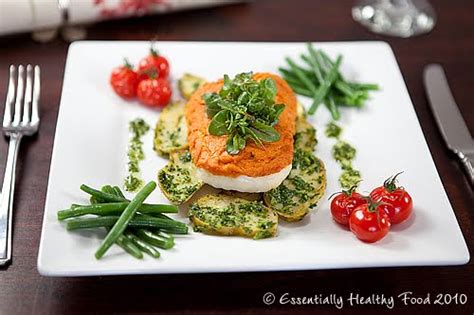
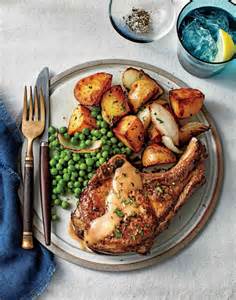
Before you even begin arranging food, consider your plate. White, plain plates are often preferred by chefs because they allow the food’s colors to truly pop without distraction. However, don’t shy away from other neutral tones like black or natural stoneware if they complement your dish. Think about the size too; a larger plate provides more “white space” to create an elegant, uncluttered presentation. Your food should occupy roughly two-thirds of the plate, leaving ample room for visual breathing space.
Beyond the plate itself, the colors of your ingredients play a crucial role. A visually appealing dish usually features a variety of colors – think vibrant greens from herbs, rich reds from tomatoes, earthy browns from roasted meats, and creamy whites from sauces. Aim for contrast to make each component stand out.
Mastering Arrangement: Height, Layers, and Symmetry
One of the easiest ways to achieve a gourmet look is by adding height to your dish. Instead of spreading ingredients flat, try stacking them strategically. For example, place a protein on a bed of vegetables, or layer pasta with sauce and cheese. This creates visual interest and makes the dish appear more substantial and sophisticated.
Consider the “rule of odds” – arranging elements in odd numbers (e.g., three pieces of shrimp, five asparagus spears) often creates a more natural and visually pleasing composition than even numbers. While strict symmetry can sometimes work, asymmetry often feels more dynamic and artistic. Think about focal points: what’s the star of the dish, and how can you draw the diner’s eye to it?
Garnishing for Glamour: Freshness and Texture
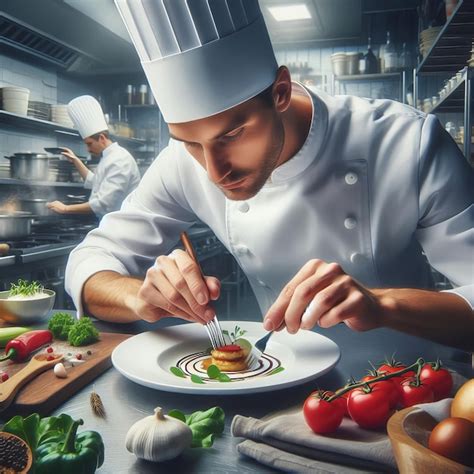
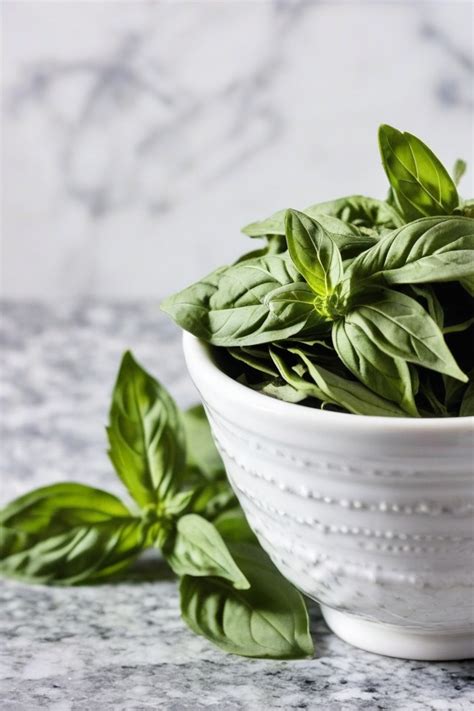
Garnishes aren’t just for decoration; they add flavor, texture, and often a burst of freshness. A sprinkle of finely chopped fresh herbs (parsley, chives, dill) can brighten almost any dish. Toasted nuts or seeds offer a satisfying crunch. A dollop of crème fraîche or a swirl of yogurt can provide a creamy contrast. Always ensure your garnish is edible and complements the dish’s flavors.
Don’t over-garnish; a little goes a long way. The goal is to enhance, not overwhelm. Think about how the garnish interacts with the main components – does it add a pop of color, a contrasting texture, or a refreshing aroma? Even a simple lemon wedge or a sprig of rosemary can elevate a dish when placed thoughtfully.
The Finishing Touch: Sauces, Oils, and Drizzles
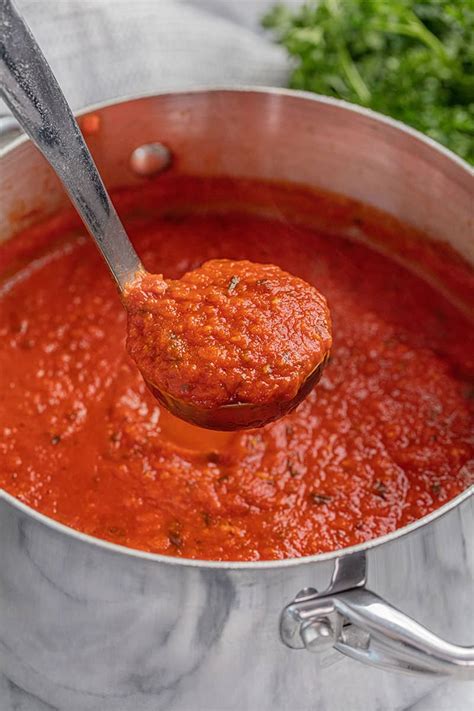
Sauces are an incredible tool for professional plating. Instead of just pouring sauce over the entire dish, try spooning it artfully. You can create a “smear” with the back of a spoon, forming an elegant base for your main components. Alternatively, drizzle sauce in a delicate pattern, or place small dots strategically around the plate.
High-quality finishing oils, like a vibrant green basil oil or a rich balsamic glaze, can add both visual appeal and an extra layer of flavor. Use squeeze bottles or small spoons for precision. Remember, less is often more with sauces and oils; you want to enhance the dish, not drown it.
Cleanliness and Presentation
Finally, a truly gourmet presentation demands cleanliness. Before serving, take a moment to wipe any smudges or drips from the rim of the plate with a clean cloth. This small detail makes a significant difference in perceived professionalism and care. Ensure all components are neatly placed and nothing looks haphazard.

Conclusion
Transforming everyday recipes into stunning visual feasts is a rewarding journey that adds an extra layer of enjoyment to your cooking and dining experience. By paying attention to plate choice, arrangement, garnishes, and finishing touches, you can easily replicate restaurant-quality presentation at home. Start small, experiment with different techniques, and most importantly, have fun turning your dishes into edible works of art. Your taste buds and your eyes will thank you!