Plating secrets: elevate home-cooked dishes for stunning visuals?
While the taste of a dish is undeniably paramount, the visual presentation often dictates the first impression and significantly enhances the overall dining experience. Think about it: don’t you eat with your eyes first? For home cooks, elevating a dish visually doesn’t require Michelin-star techniques or expensive equipment. With a few simple plating secrets, you can transform your everyday meals into stunning culinary creations that impress family and friends.
Why Presentation Matters (Even at Home)
Good plating isn’t just for fancy restaurants; it’s a powerful tool for home cooks too. A beautifully arranged plate signals care and attention to detail, making even the simplest dishes feel special. It can stimulate appetite, make healthy food more appealing, and frankly, it makes the act of cooking even more rewarding. It’s about respecting the ingredients and the effort you’ve put in.
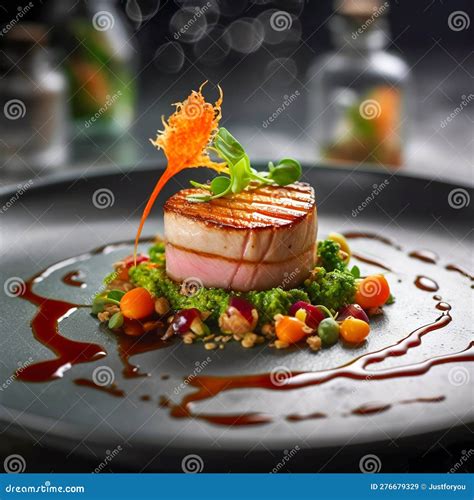
Core Principles of Stunning Plating
Understanding a few fundamental principles will guide your plating decisions, no matter the cuisine or ingredients:
- Balance and Contrast: Think about colors, textures, and shapes. A monochromatic dish can be dull, while too many conflicting elements can be chaotic. Aim for a mix of soft and crisp, bright and muted colors.
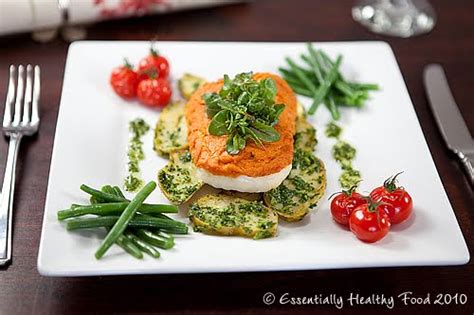
- Focus Point: Every plate needs a star. Whether it’s a perfectly seared piece of fish or a vibrant vegetable purée, guide the diner’s eye to the most important element.
- Negative Space: Don’t overcrowd the plate. Leaving some empty space around your food allows each element to breathe and creates a more elegant, professional look.
- Height and Dimension: Flat food can look uninspired. Stack ingredients, lean them against each other, or use sauces to create subtle elevation.
![500+ Chef Pictures [HD] | Download Free Images on Unsplash](/images/aHR0cHM6Ly90czQubW0uYmluZy5uZXQvdGg/aWQ9T0lQLjlFWDU2RjBKZ3VBaGtDcFBPTHhXalFIYUU3JnBpZD0xNS4x.webp)
Practical Plating Techniques for Home Cooks
Now, let’s get hands-on with techniques you can easily implement in your kitchen:
Choose the Right Plate
Opt for plain, often white, plates. They serve as a neutral canvas, allowing your food’s colors to pop. Consider the size; too big and the portion looks small, too small and it looks cluttered.
The Rule of Odds
When arranging components like roasted vegetables or scallops, group them in odd numbers (three, five, seven). This creates a more dynamic and visually appealing composition than even numbers.
Saucing Smarter
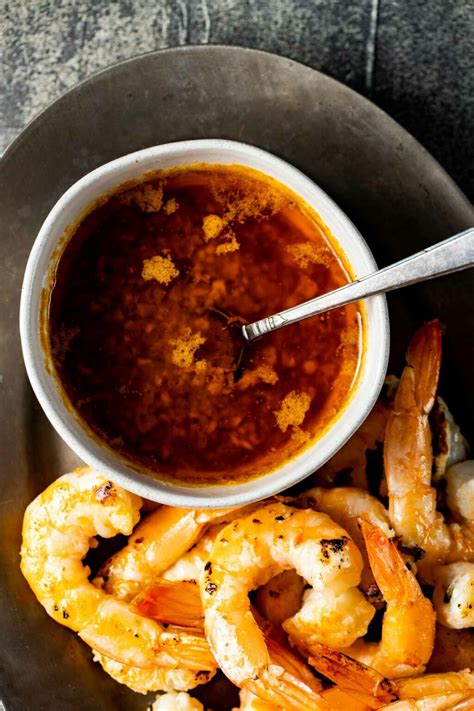
Instead of just pouring sauce over everything, consider elegant drizzles, swirls, or dots. A squeeze bottle or a spoon can help create patterns or define borders on the plate.
Garnishing with Purpose
Garnishes shouldn’t just be an afterthought. They should add flavor, texture, or color, and be edible. Fresh herbs, a sprinkle of toasted nuts, a citrus zest, or even a few edible flowers can elevate a dish instantly.
Stacking and Layering
Build height by stacking elements like sliced meats, layered vegetables, or a mound of grain topped with a protein. This adds an architectural quality to your dish.
Wipe the Rim
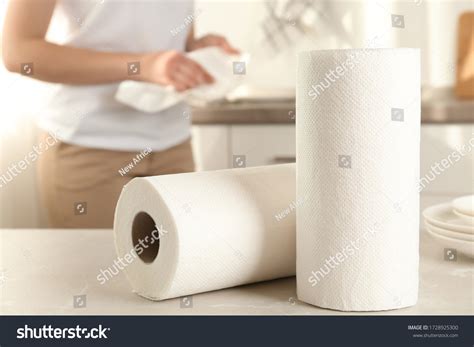
A simple but crucial step: before serving, always wipe the rim of your plate with a clean cloth or paper towel. No drips, smudges, or fingerprints should mar the presentation.
Simple Tools to Elevate Your Plating
While not strictly necessary, a few inexpensive tools can make plating much easier and more precise:
- Squeeze Bottles: Perfect for controlled sauce application.
- Offset Spatula: Great for spreading purées smoothly or lifting delicate items.
- Tongs: Ideal for precision placement of garnishes or small components.
- Pastry Brush: Can be used for painting thin layers of sauce or oil.
Practice Makes Perfect
Don’t be discouraged if your first attempts aren’t picture-perfect. Plating is an art that improves with practice. Start by focusing on one or two techniques per meal. Take photos of your dishes to review what worked and what didn’t. Soon, you’ll develop an eye for what looks good.
Embracing these plating secrets isn’t just about making your food look good; it’s about adding another layer of enjoyment to the cooking process and the dining experience. So go ahead, treat your home-cooked meals like works of art – you and your diners deserve it!