Plating secrets for stunning food photography in home recipes?
In the age of Instagram and Pinterest, a delicious homemade meal isn’t just about taste – it’s also about how it looks. Many home cooks aspire to capture their culinary creations beautifully, but often find their photos don’t quite do justice to the dish. The secret weapon? Plating. Elevating your food’s presentation doesn’t require professional chef skills; a few simple techniques can turn an ordinary meal into a work of art ready for its close-up.
The Power of Presentation: Why Plating Matters
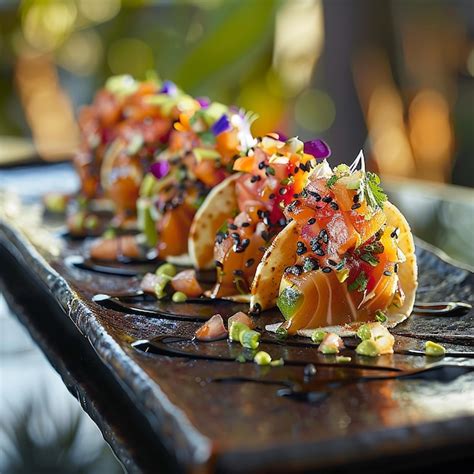
Plating is more than just arranging food on a dish; it’s about telling a story, enticing the viewer, and making the food appear as delectable as it tastes. For food photography, good plating creates a strong visual foundation, making it easier to capture appetizing shots. It highlights textures, colors, and key ingredients, drawing the eye to the dish’s best features.
Foundation First: Choosing Your Canvas
The plate itself is your canvas. Choose wisely. Smaller plates make portions appear more substantial, while larger plates offer more ‘negative space’ – the empty area around the food that helps highlight it. Opt for neutral colors like white, cream, or slate grey; these colors won’t compete with your food’s natural hues. Avoid overly patterned plates that can distract from your dish.
White Space is Your Friend
Don’t overcrowd the plate. Embrace negative space. Placing your main elements slightly off-center and leaving ample room around them allows the eye to rest and emphasizes the food’s form. Aim for a composition that feels balanced and intentional, not haphazard.
Mastering the Art of Arrangement
Think about composition as you would a painting. The ‘Rule of Thirds’ often applies here – imagine dividing your plate into nine equal sections with two horizontal and two vertical lines, then place key elements where these lines intersect. Arrange ingredients in odd numbers (e.g., 3 scallops, 5 asparagus spears) as this often looks more natural and appealing than even numbers.
Building Layers and Texture
Height adds dimension and interest. Don’t spread everything flat. Stack elements, lean them against each other, or build small mounds. Varying textures (crispy, creamy, tender) adds visual depth and makes the dish more dynamic. For example, pile a main ingredient like pasta in a neat mound, then layer a protein or garnish on top.

Color, Contrast, and Garnish: The Finishing Touches
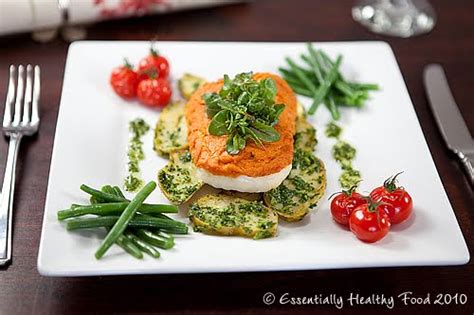
Color is crucial. Use contrasting colors to make your ingredients pop. A vibrant green herb against a rich red sauce, or a bright orange carrot purée with a dark protein, creates visual excitement. Think about a spectrum of colors on your plate, but don’t overdo it – two or three dominant colors usually suffice.
The Magic of Garnishes
Garnishes are not just for taste; they’re for visual appeal. A sprinkle of fresh herbs (parsley, cilantro, dill), a dusting of paprika, a few toasted nuts, or a lemon wedge can add a burst of color and freshness. Ensure garnishes are relevant to the dish’s flavor profile and enhance, rather than detract from, the main ingredients.
Sauces and Drizzles: The Artistic Flourish
Sauces can be tricky but incredibly impactful. Instead of pouring a pool of sauce, consider a strategic drizzle, a swirl, or a smear. Use a squeeze bottle or a spoon to create controlled lines, dots, or a delicate brushstroke across the plate. This adds an artistic element and ties the components together visually.
Photography Ready: A Few Final Tips
Before you snap that picture, wipe the rim of the plate clean. Remove any rogue drips or smudges. Ensure your lighting is natural and even, and experiment with different angles – overhead shots often work well for plated dishes. Focus on the main elements and keep the background uncluttered.
Practice Makes Perfect
Don’t be discouraged if your first attempts aren’t perfect. Plating is a skill that improves with practice. Start with simple dishes, focus on one or two techniques, and gradually build your confidence. Soon, you’ll be creating visually stunning home recipes that look as good as they taste, ready for their moment in the spotlight.

Transforming your home-cooked meals into photographic masterpieces is an achievable goal. By applying these plating secrets – thoughtful plate selection, deliberate arrangement, strategic use of color and texture, and artistic garnishes – you’ll not only enhance your food’s visual appeal but also add an extra layer of enjoyment to your culinary journey and your shared social media feeds.