Plating secrets for stunning homemade meals? #FoodieVisuals
The Art of the Plate: Why Presentation Matters
You’ve spent time selecting fresh ingredients, mastering recipes, and perfecting flavors. But what happens when the dish finally reaches the table? Often, the visual impact is an afterthought, yet presentation is the first bite with our eyes. Transforming a simple homemade meal into a stunning culinary masterpiece doesn’t require a professional chef’s toolkit; it just needs a few thoughtful plating secrets. Elevating your food’s appearance can enhance appetite, appreciation, and even the perception of taste.
Mastering the Fundamentals: Composition and Balance
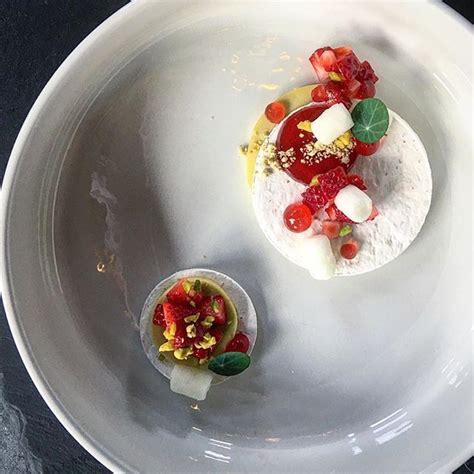
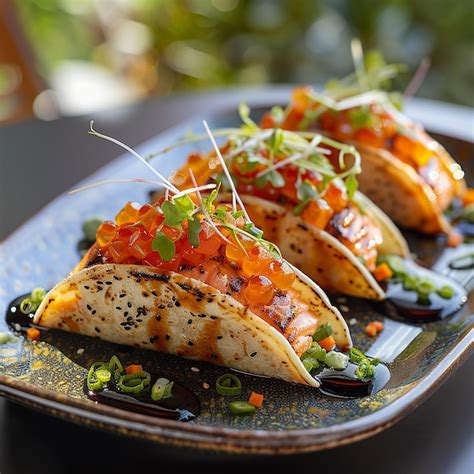
Great plating starts with composition. Think of your plate as a canvas. The goal is to create balance and visual interest. A common guideline is the “rule of odds,” suggesting that arrangements of 3 or 5 items are often more appealing than even numbers. Consider the main component of your dish – the protein, for example – and place it strategically. Instead of plopping everything in the center, try off-center arrangements or sweeping elements across the plate.
Another foundational concept is the “rule of thirds,” borrowed from photography. Imagine your plate divided into a 3×3 grid. Placing key elements along these lines or at their intersections can create a more dynamic and professional look.
Playing with Color, Texture, and Contrast
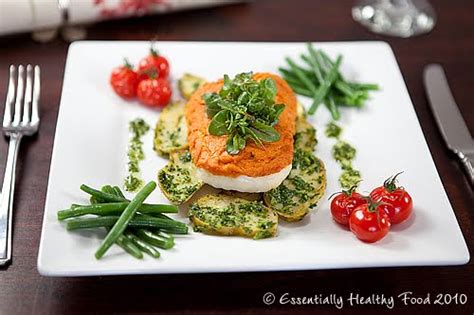
Color is arguably the most impactful element in food presentation. A vibrant plate is instantly more appealing. Incorporate a variety of colors through different vegetables, sauces, and garnishes. Think about contrasting colors to make elements pop – a bright green herb against a rich red sauce, or a light-colored protein next to dark, roasted vegetables.
Texture adds another layer of sensory appeal. A plate with varying textures – creamy purees, crispy elements, tender meats, and crunchy garnishes – is far more interesting than a monochromatic, uniform spread. Use crunchy nuts, fresh herbs, or toasted breadcrumbs to add an exciting textural contrast.
Building Height and Dimension
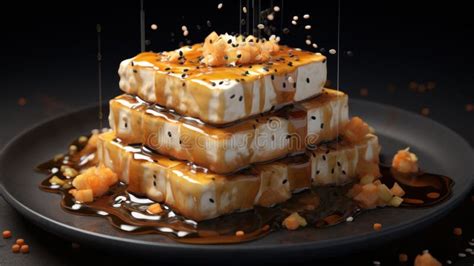
Flat food can look uninspired. Introducing height and dimension instantly elevates a dish. Stack elements strategically, lean ingredients against each other, or use molds to create shapes. Think vertically! For example, instead of spreading rice flat, create a small mound. Stack grilled vegetables, or arrange a protein on top of a bed of greens. Even a simple drizzle of sauce can add dimension when applied with a careful hand.
The Magic of Garnishes and Finishing Touches
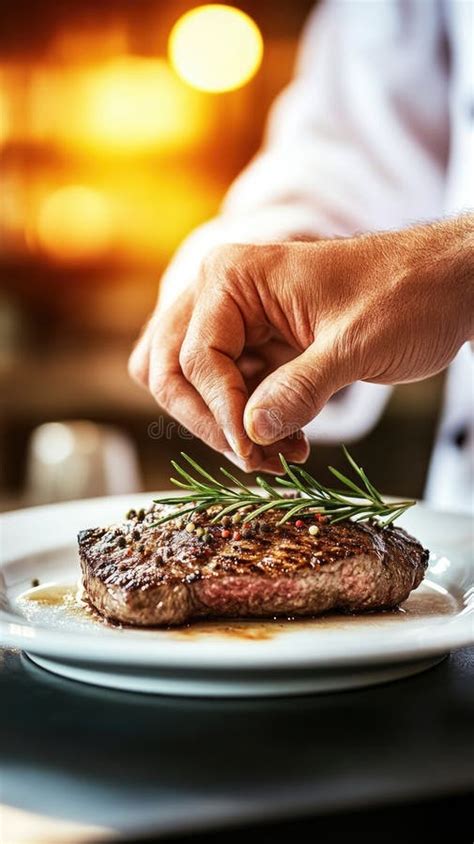
Garnishes are not just for decoration; they add flavor, aroma, and visual interest. Fresh herbs like parsley, cilantro, dill, or chives are classics. A sprinkle of edible flowers can add elegance, while a dusting of paprika or a swirl of crème fraîche can transform a soup. Just remember: every garnish should be edible and complement the dish’s flavors.
Finishing touches include sauces, oils, and spices. A deliberate drizzle of a contrasting sauce, a swirl of infused oil, or a final grind of black pepper can tie the whole plate together and add that “chef’s touch.”
Practical Tips for the Home Cook
- Choose the Right Plate: White plates often make food colors pop. Consider different shapes and sizes to complement your dish.
- Keep it Clean: Always wipe the rim of your plate clean before serving. A messy edge detracts from the presentation.
- Don’t Overcrowd: Less is often more. Give your elements space to breathe.
- Practice Makes Perfect: Don’t get discouraged if your first attempts aren’t Michelin-star worthy. Experiment with different arrangements.
- Think About the Story: What emotion or experience do you want to convey with your plate?

Conclusion: Eat with Your Eyes First
Plating is an extension of cooking – an opportunity to express creativity and enhance the dining experience. By applying these plating secrets, you’ll transform your homemade meals from merely delicious to truly stunning, delighting both the eyes and the palate of anyone fortunate enough to share your table. So next time you’re cooking, remember that presentation is key to making every meal memorable. Happy plating!