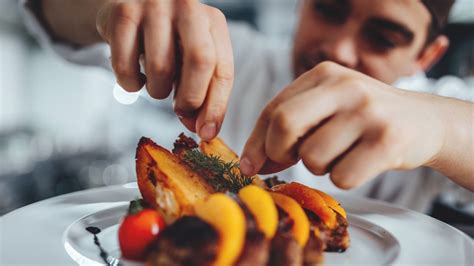
Plating secrets: How do real foodies make simple dishes visually irresistible?
The Unseen Ingredient: Why Visuals Matter in Food
For many, food is simply fuel. But for real foodies, it’s an experience that engages all senses, with sight often being the first and most crucial. A beautifully plated dish doesn’t just look good; it enhances the perceived flavor, builds anticipation, and elevates a simple meal into something truly special. So, how do these culinary enthusiasts manage to make even the most humble dishes look like they belong on a gourmet magazine cover? It’s not about expensive ingredients or complicated techniques, but rather a mastery of a few fundamental plating principles.
It’s an art form that anyone can learn, transforming your home-cooked meals from ‘just dinner’ to a delightful visual feast. Let’s delve into the core secrets.
Color and Contrast: A Feast for the Eyes
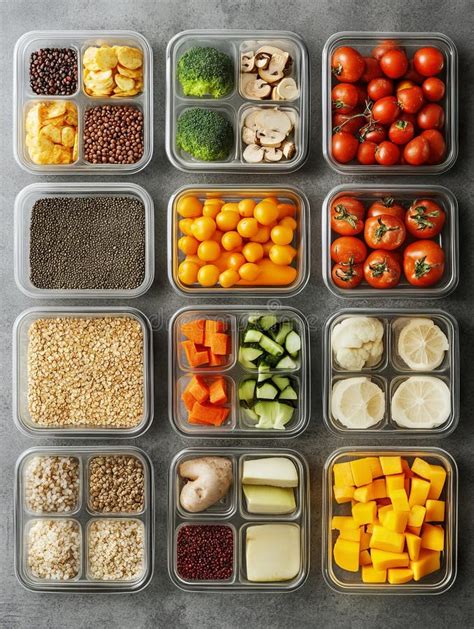
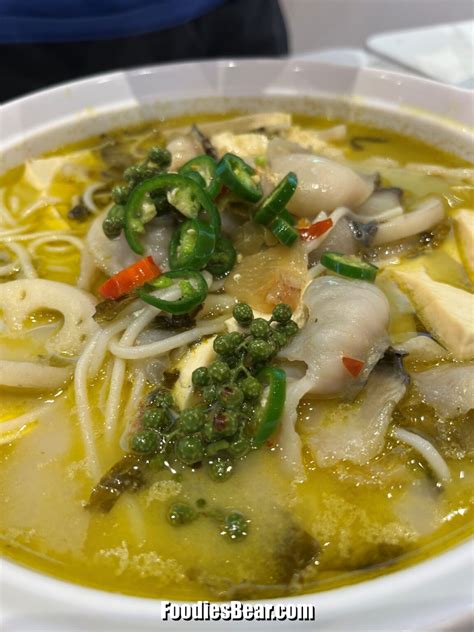
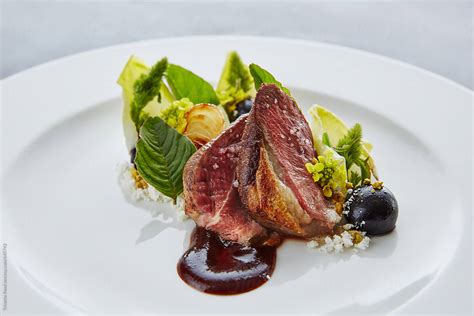
One of the most immediate impacts on visual appeal is color. Real foodies understand the power of a vibrant palette. They instinctively seek out ingredients that offer natural hues and ensure they’re prepared in a way that preserves their brightness. Think about the stark contrast between a rich, green pesto on a bed of white pasta, or a sprinkle of ruby-red pomegranate seeds over a golden-brown roasted chicken. These contrasts aren’t just pleasing to the eye; they make the food pop.
Beyond natural colors, techniques like charring, browning, and caramelizing add depth and varied tones, making a dish appear more complex and inviting. Aim for at least three distinct colors on your plate to create visual interest.
Texture and Height: Adding Dimension and Interest
A flat, monotone plate can be uninspiring. Foodies expertly introduce varying textures and build height to create dynamic, engaging presentations. Imagine a creamy soup topped with crispy croutons or a delicate fish fillet nestled beside crunchy roasted vegetables. The interplay of soft, firm, crisp, and smooth textures makes each bite more exciting, and visually, it tells a story.
Building height is another crucial technique. Instead of spreading ingredients flat, consider stacking, leaning, or mounding elements. A perfectly sculpted scoop of mashed potatoes, a strategically placed sprig of herbs, or a delicate stack of blanched asparagus can elevate a dish, literally, giving it a professional, artful touch.
Intentional Arrangement: Every Element Matters
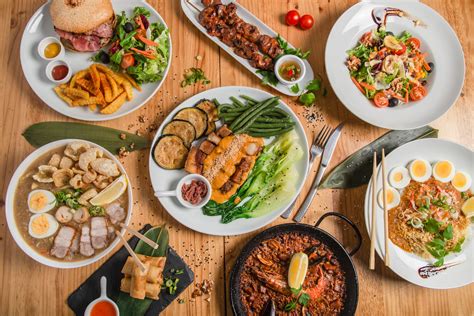
Plating isn’t just throwing food onto a dish; it’s a deliberate act of arranging elements. Foodies think about the plate as a canvas. They often adhere to principles like the ‘rule of odds’ (using an odd number of elements is more visually appealing) or the ‘rule of thirds’ (placing the focal point off-center). They utilize negative space effectively, ensuring the plate isn’t overcrowded, allowing each component to shine.
Think about the flow of the dish. Should your main protein be centered? Should vegetables create a border or a base? A common technique is to place the protein as the anchor, with starches and vegetables artfully arranged around it. A simple drizzle of sauce can also be used to create lines or patterns, guiding the eye across the plate.
The Magic of Garnish: Finishing Touches That Transform
Garnish is often misunderstood as mere decoration, but for foodies, it’s the final, transformative touch. A well-chosen garnish adds freshness, a burst of color, or an unexpected flavor note that ties the entire dish together. Fresh herbs like parsley, cilantro, or chives are go-to options for their vibrant green and aromatic qualities. A sprinkle of toasted nuts or seeds can add crunch and visual appeal.
Consider a fine dusting of paprika on a hummus plate, a swirl of crème fraîche on a hearty soup, or a few edible flowers for an elegant touch. The key is subtlety and relevance; the garnish should complement, not overpower, the main dish.
Tools of the Trade: Simple Enhancements
While skill is paramount, a few simple tools can greatly assist in achieving that foodie-level presentation. Squeeze bottles are excellent for creating precise drizzles or dots of sauce. Ring molds help in creating perfectly circular stacks of grains, vegetables, or proteins. A clean kitchen towel can be used to wipe the edges of a plate, ensuring a pristine presentation free of drips or smudges. These are small details, but they make a huge difference in the final impression.

Practice Makes Perfect: Develop Your Eye
Ultimately, making simple dishes visually irresistible is a skill that develops with practice and observation. Pay attention to how your favorite restaurants plate their food, browse culinary magazines, and experiment in your own kitchen. Don’t be afraid to try different arrangements, sauces, and garnishes. With each attempt, you’ll develop a keener eye for what works and what doesn’t, refining your personal plating style.
These secrets aren’t exclusive to professional chefs. By understanding and applying these fundamental principles of color, texture, height, arrangement, and garnish, any home cook can transform their simple dishes into visually stunning masterpieces that delight the eyes as much as they please the palate. It’s time to unleash your inner culinary artist!