Plating techniques for vibrant, photogenic dishes?
The Art of Visual Appeal: Why Plating Matters for Photography
In today’s visually-driven world, a dish isn’t truly complete until it looks as good as it tastes. For home cooks and culinary professionals alike, mastering plating techniques is crucial, especially when aiming for those vibrant, photogenic dishes that captivate audiences online. Beautiful plating transforms simple ingredients into an edible work of art, enhancing not just the dining experience but also its photographic potential. It’s about telling a story with your food, highlighting its best features, and creating an irresistible allure.

Mastering Color and Contrast for Vibrancy
The first step to a photogenic dish is understanding color. A vibrant dish is often one with a good mix of contrasting and complementary colors. Think about adding a bright herb garnish to a rich, dark sauce, or incorporating a pop of red from a berry alongside a green vegetable. Don’t be afraid to use natural colors to your advantage. A monotone dish can be elegant, but for “vibrant,” aim for intentional splashes of color that draw the eye. Consider the color wheel and how different hues interact on the plate.
Texture also plays a vital role in vibrancy. A dish composed entirely of soft elements can look flat. Introduce crunchy components, smooth purees, and crisp garnishes to add dimension and visual interest. These textural contrasts not only excite the palate but also create dynamic shadows and highlights that make a photograph pop.
Building Height and Embracing Negative Space
Flat dishes rarely make for compelling photographs. Introduce height by stacking ingredients, leaning elements against each other, or placing them on a bed of puree or grain. This creates a three-dimensional effect that adds drama and professionalism to your presentation. However, balance is key; avoid overcrowding the plate.
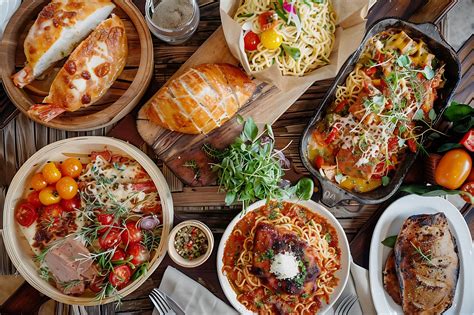
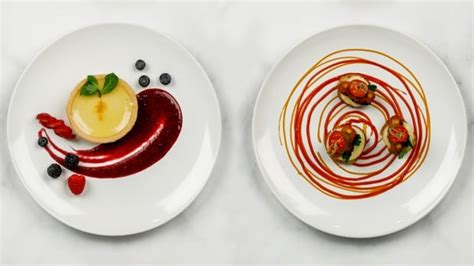
Negative space, the empty area around your food, is just as important as the food itself. It allows the main elements to breathe and become the focal point, preventing the dish from looking cluttered. Think of the plate as a canvas, and your food as the subject. Strategically use the edges of the plate to frame your creation, drawing the viewer’s eye precisely where you want it.
The Power of Garnishes and Finishing Touches
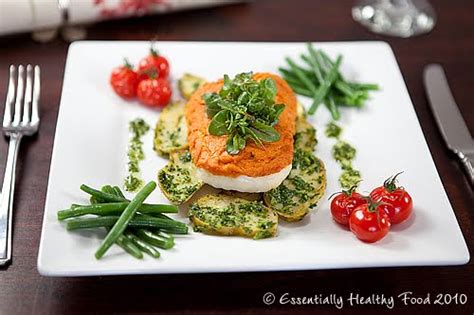
Garnishes are not merely decorative; they are integral to a dish’s final presentation, especially for photography. A fresh sprig of herbs, a sprinkle of toasted nuts, a delicate edible flower, or a drizzle of a vibrant sauce can elevate a dish from good to extraordinary. Choose garnishes that complement the flavors of the dish and add a final touch of color and texture. Ensure they are fresh and meticulously placed, as wilting or haphazard garnishes can detract from the overall appeal.
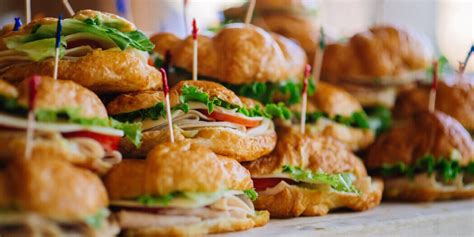
Consider the final sheen: a brush of olive oil on roasted vegetables or a light mist of water on fresh fruits can make them glisten under the camera’s lens, appearing juicier and more appealing. A quick wipe of the plate’s rim with a clean cloth or paper towel is also crucial to remove any smudges or drips, ensuring a professional finish.
Practical Plating Techniques for Stunning Visuals
The Rule of Odds
When arranging components, try to use an odd number of elements (e.g., three scallops, five asparagus spears). Odd numbers tend to be more aesthetically pleasing and create a more natural, dynamic composition in photography than even numbers.
The Golden Ratio and Rule of Thirds
Apply principles from art and photography. Imagine your plate divided into thirds horizontally and vertically. Place your main components at the intersections or along these lines for a balanced and visually appealing composition. The golden ratio can also be applied to create harmonious arrangements.
Saucing with Precision
Sauce can be a powerful plating tool. Instead of pouring it over everything, consider painting a swipe across the plate, drizzling it in a strategic pattern, or creating a pool for ingredients to sit in. Use squeeze bottles or spoons for precision, and ensure the sauce doesn’t overwhelm the other elements.
Tools of the Trade
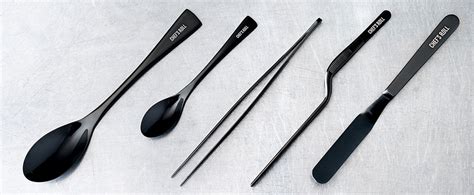
While creativity is paramount, a few simple tools can greatly assist your plating efforts. Tongs or tweezers offer precision for placing small garnishes. Squeeze bottles are excellent for sauces and purees. Pastry brushes can apply glazes or oils evenly. A clean damp cloth is essential for wiping plate edges. Invest in simple, elegant plates that serve as a neutral canvas for your food.
Conclusion: Practice Makes Perfect
Plating is a skill that improves with practice. Don’t be discouraged if your first attempts aren’t perfect. Experiment with different arrangements, colors, and textures. Take photos from various angles to see what works best. By paying attention to these details, you’ll not only create dishes that taste incredible but also look spectacularly vibrant and photogenic, ready for their close-up.