Plating vibrant dishes: pro tips for visual impact?

Ever wondered why restaurant food always looks so appealing? It’s not just the ingredients; it’s the art of plating. Transforming a delicious meal into a visual feast can significantly enhance the dining experience, making every bite more enjoyable. Professional chefs meticulously consider every element on the plate, from color and texture to height and negative space. Luckily, these techniques aren’t exclusive to Michelin-starred kitchens. With a few pro tips, you can elevate your home-cooked dishes to truly vibrant, Instagram-worthy creations.
Mastering Color Harmony and Contrast
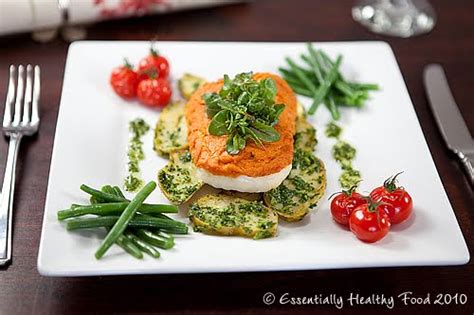
Color is perhaps the most immediate visual cue on a plate. A vibrant dish is a symphony of hues, not a monochrome canvas. Think about how contrasting colors can make ingredients pop. For instance, the bright green of fresh herbs against a rich, dark sauce, or the crimson of berries atop a creamy white dessert. Aim for at least 2-3 distinct colors that complement each other. Use natural colors from fruits, vegetables, and spices to add vibrancy and health appeal.
Playing with Texture and Form
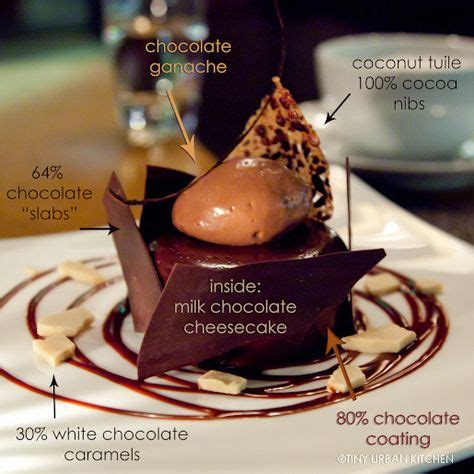
A dish isn’t just about flat surfaces; it’s about a tactile experience for the eyes. Incorporate a variety of textures to add interest and depth. Think crunchy elements like toasted nuts or fried shallots, smooth purees, delicate foams, and tender proteins. Each texture tells a part of the story and makes the dish more engaging. Similarly, consider the shapes of your ingredients. Cut vegetables into interesting geometries, or arrange proteins in appealing curves rather than just a flat slab. Varied forms prevent monotony and guide the eye.
Building Height and Dimension
Flat food is boring food. One of the simplest ways to add visual drama is to build height. Instead of spreading ingredients horizontally, stack or lean them creatively. A neatly piled salad, a tower of roasted vegetables, or a protein propped against a mound of risotto instantly makes the dish more dynamic. Use purees or sauces as a base to anchor taller components. This three-dimensional approach adds a professional touch and makes the plate appear more substantial and artistic.
The Art of Negative Space and the Rule of Odds
Just as important as what’s on the plate is what’s not. Negative space (the empty areas on the plate) allows the eye to rest and highlights the star ingredients. Don’t overcrowd the plate; less is often more. Think of the plate as a canvas and your food as the art. Additionally, the “rule of odds” suggests that arranging elements in odd numbers (e.g., three asparagus spears, five scallops) is generally more aesthetically pleasing and natural than even numbers. This creates a subtle asymmetry that is more engaging.

Strategic Sauce Application and Garnishes
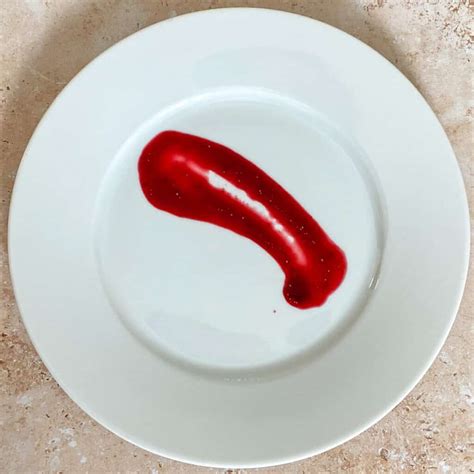
Sauces aren’t just for flavor; they’re powerful plating tools. Instead of pouring sauce haphazardly, consider a controlled drizzle, an elegant swirl, or a deliberate swipe across the plate with the back of a spoon. This adds movement and a touch of sophistication. Garnishes are the final flourish. Fresh herbs (parsley, cilantro, mint), microgreens, edible flowers, a sprinkle of toasted seeds, or a light dusting of paprika can instantly brighten a dish and add a professional, finished look. Ensure garnishes are fresh, vibrant, and relevant to the dish’s flavors.
Practice Makes Perfect
Like any art form, plating requires practice and experimentation. Don’t be afraid to try different arrangements, use various utensils for saucing, and play with garnishes. Start with simple dishes and gradually introduce more complex techniques. Take photos of your creations to see what works and what doesn’t. Remember, the goal is to make the food inviting and to reflect the care and passion you put into preparing it. A beautifully plated dish not only looks good but often tastes even better, as our eyes play a significant role in our perception of flavor.
With these pro tips, you’re well on your way to plating vibrant dishes that impress both the eyes and the palate, turning every meal into a memorable dining experience.