
Practical plating: How to make vibrant, healthy dishes visually irresistible?

We eat with our eyes first, and this adage holds true especially when it comes to healthy dishes. Often, vibrant, nutritious meals are mistakenly perceived as less exciting than their indulgent counterparts. However, with a few simple plating techniques, you can elevate your healthy creations from wholesome to show-stopping, making them not just nourishing but also utterly irresistible to the eye.
The Psychology of Plating
Plating isn’t just about making food look pretty; it’s about enhancing the entire dining experience. Thoughtful presentation can influence perception of taste, increase enjoyment, and even encourage healthier eating habits. When a dish looks appealing, our brains anticipate a delicious experience, making the first bite all the more satisfying. It’s about creating an expectation of flavor and quality.
Mastering the Basics: The Canvas and the Core
Choose Your Plate Wisely
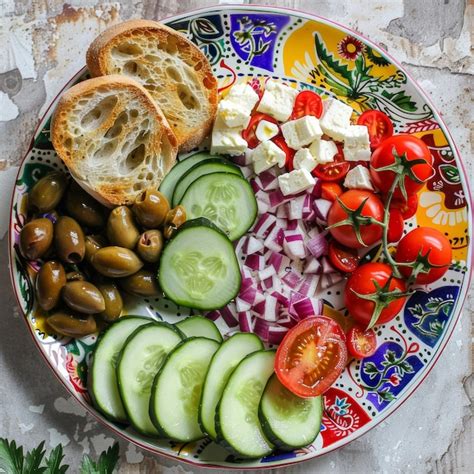
Your plate is your canvas. Opt for plates that complement your food without overpowering it. White or neutral-colored plates often make colors pop, while plates with interesting textures or rims can add a touch of elegance. Consider the size as well; a plate too large can make a serving look sparse, while one too small can appear cluttered.
The Rule of Odds
When arranging components, odd numbers (3, 5, 7) are generally more visually appealing than even numbers. This applies to items like scallops, pieces of asparagus, or even dollops of sauce. It creates a dynamic and less symmetrical, more natural look.
Color and Contrast: The Eye-Catching Duo
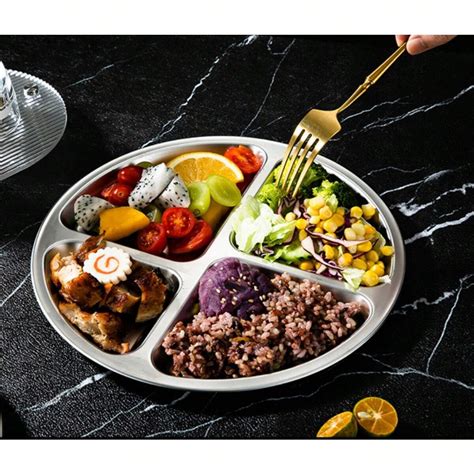
Healthy dishes are naturally rich in color, thanks to an abundance of fresh vegetables and fruits. Harness this power! Create contrast by pairing ingredients with complementary or contrasting hues. For example, the vibrant green of broccoli next to the deep red of roasted bell peppers, or the sunny yellow of corn against the earthy brown of a lean protein.
Using Garnishes for Pop
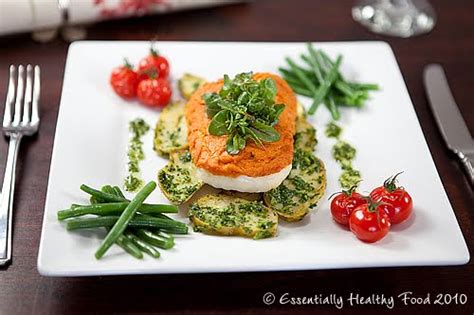
Garnishes are not just for decoration; they add flavor, texture, and a crucial pop of color. A sprinkle of fresh herbs (parsley, cilantro, dill), a dusting of paprika, a few toasted nuts, or a wedge of citrus can instantly brighten a dish and make it look professionally prepared. Always ensure your garnish is edible and enhances the dish’s flavor profile.

Texture and Height: Adding Dimension
Varying Textures
A monochromatic dish can feel monotonous. Introduce various textures to add visual interest and an exciting mouthfeel. Think about combining crunchy elements (like toasted seeds or crispy kale) with creamy components (like a dollop of Greek yogurt or a smooth purée) and tender main ingredients.
Building Height
Flat dishes can look uninspired. Create height by layering ingredients. For instance, build a salad upwards rather than spreading it out, or stack your protein on a bed of grains or vegetables. A carefully placed piece of roasted vegetable or a lean protein can become the focal point, drawing the eye upwards.
Sauces and Drizzles: The Finishing Touch
A well-placed sauce can elevate a dish from good to gourmet. Instead of simply pouring sauce over everything, consider precise placement. A small pool of sauce under a main component, a delicate drizzle over the top, or an artistic swipe across the plate can add elegance and a professional touch. Use squeeze bottles or the back of a spoon for controlled application. Remember, less is often more.

Practical Tips for Home Cooks
- Keep it Clean: Always wipe the rim of your plate clean before serving. A pristine plate immediately signals attention to detail.
- Don’t Overcrowd: Leave some empty space on the plate. This allows each component to breathe and makes the dish look more refined.
- Think About Balance: Distribute colors, textures, and shapes evenly across the plate to create a harmonious composition.
- Practice Makes Perfect: Don’t get discouraged if your first attempts aren’t Michelin-star worthy. Experiment with different arrangements, and you’ll soon develop your own style.

Conclusion
Plating is an art form that transforms a simple meal into an experience. By paying attention to elements like color, texture, height, and strategic placement, you can make your vibrant, healthy dishes not just nutritious, but truly visually irresistible. So, next time you cook, take a moment to consider the presentation – your eyes, and your taste buds, will thank you.