Preventing visual recipe fails: Best ingredient prep & cooking tips?

We’ve all been there: a mouth-watering recipe photo lures us in, promising culinary glory, only for our own attempt to emerge looking like a distant, less appealing cousin. Visual recipe fails can be disheartening, turning an enjoyable cooking experience into a frustrating one. The good news is that most of these aesthetic mishaps can be prevented with a few key strategies focused on meticulous ingredient preparation and precise cooking techniques. It’s not just about taste; it’s about creating a dish that’s appealing to the eye, reflecting the care and effort you put into it.
The Foundation: Meticulous Ingredient Preparation
Success in the kitchen often begins long before the heat is applied. Proper ingredient preparation, also known as mise en place (everything in its place), is crucial for both efficiency and the visual outcome of your dish. Rushing this stage can lead to uneven cooking, burnt bits, or ingredients that don’t meld together harmoniously.
Embrace Mise en Place
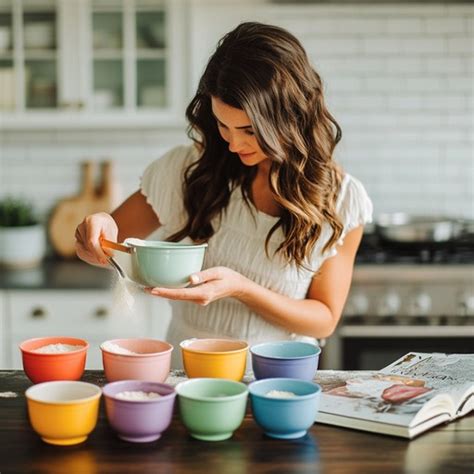
Before you even turn on the stove, read your recipe thoroughly. Identify all ingredients, measure them out, chop, dice, slice, or mince as required, and arrange them within easy reach. This prevents frantic searching for ingredients mid-cook and ensures you add things at the right time, preventing over or undercooking that can impact appearance.
Accurate Measuring is Key
While some seasoned cooks can eyeball quantities, for consistent visual results, especially in baking or more delicate dishes, accurate measuring is non-negotiable. Using proper measuring cups for dry ingredients (levelled off) and liquid measuring cups for liquids ensures the right texture and consistency, which directly affects how a dish looks.
Master Your Knife Skills
Unevenly cut vegetables or proteins will cook unevenly. Some pieces might burn while others remain raw. Investing in a sharp knife and practicing basic knife skills will result in uniform pieces that cook simultaneously, leading to a much more appealing final product. Think perfectly diced onions or consistently sized carrot sticks.
Mastering the Cook: Techniques for Visual Success
Once your ingredients are prepped, the next step is applying the correct cooking techniques. This is where many visual fails occur, often due to incorrect temperatures or timing.
Temperature Control is Paramount
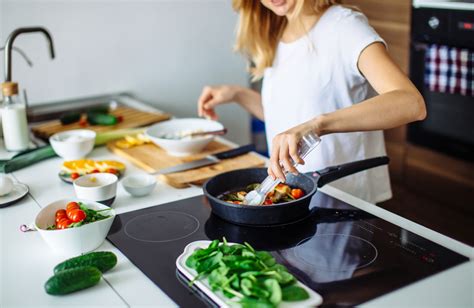
Cooking at the right temperature prevents burning, undercooking, or developing an unappetizing color. For searing, a hot pan is essential for a beautiful brown crust, while for delicate sauces, a low, consistent heat prevents scorching or breaking. Always allow your pans to preheat properly before adding food.
Timing is Everything
Overcooking can lead to dry, shriveled proteins or mushy vegetables. Undercooking, besides being a safety concern, leaves food looking unappetizingly raw. Following recipe times closely, and using visual cues (like golden brown, opaque, or tender-crisp) and even a food thermometer for proteins, will help you achieve the perfect doneness and appearance.
The Right Tools for the Job
Using a pan that’s too small can overcrowd ingredients, leading to steaming instead of searing, and a lack of browning. A non-stick pan is better for delicate items like eggs, while cast iron excels at achieving a deep sear. Ensure you have the right utensils too; tongs for turning, a spatula for flipping, and a whisk for smooth sauces are all important for maintaining the integrity and appearance of your food.
Presentation Matters: Plating for Visual Appeal
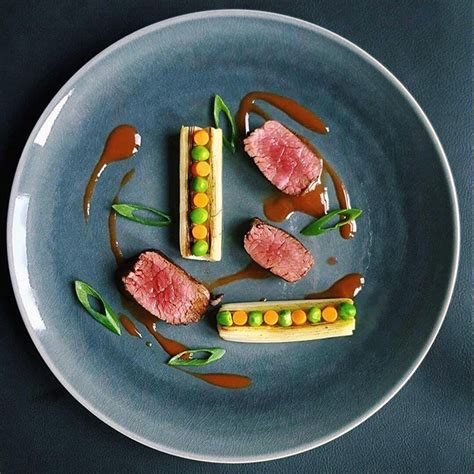
Even if a dish tastes fantastic, poor plating can diminish the overall experience. Think of a chef’s beautifully presented plate – it’s designed to entice the eyes first.
Simple Plating Principles
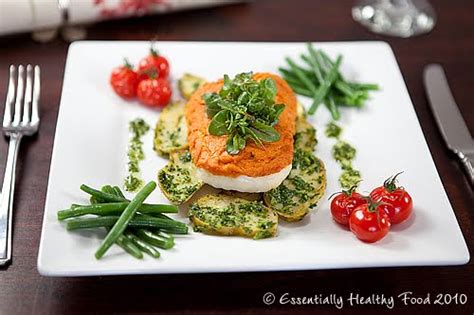
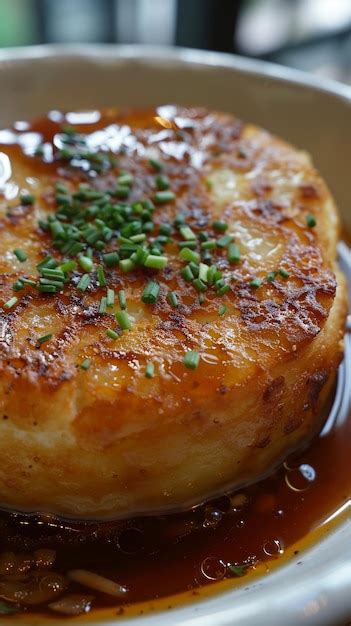
Don’t just dump food onto a plate. Consider color, texture, and height. Create a focal point, wipe the edges of the plate clean, and avoid overcrowding. A sprinkle of fresh herbs, a drizzle of sauce, or a wedge of lemon can elevate a simple dish to something special.

Troubleshooting Common Visual Fails
Let’s tackle some specific issues that frequently lead to visual disappointments in home cooking.
Preventing Browning and Burning
If your food is burning on the outside before it’s cooked through, your heat is likely too high, or you’re using too little fat. Conversely, if food isn’t browning, the pan might not be hot enough, or there’s too much moisture present. Patting proteins dry before searing is a simple trick to ensure a beautiful crust.
Avoiding Soggy Textures
Soggy vegetables often result from overcrowding the pan, which lowers the temperature and causes them to steam rather than sauté or roast. Cook in batches if necessary. For baked goods, ensure accurate liquid-to-dry ingredient ratios and avoid opening the oven door too frequently, which can cause sinking.

The Final Touches: Garnish and Confidence
A simple garnish can transform a dish. A scattering of fresh parsley, a few toasted sesame seeds, a dollop of crème fraîche, or a vibrant edible flower can add a pop of color and freshness that elevates the visual appeal. Don’t underestimate the power of these small additions.
Ultimately, preventing visual recipe fails comes down to attention to detail, patience, and practice. By focusing on meticulous ingredient prep, mastering basic cooking techniques, and paying a little attention to plating, you can consistently create dishes that not only taste incredible but also look impressively professional. Happy cooking!