Pro foodies: What visual clues reveal authentic local eatery gems fast?

For the discerning palate, finding a truly authentic local eatery in a new city or country can feel like searching for a needle in a culinary haystack. Amidst the glitzy tourist traps and ubiquitous fast-food chains, how do seasoned food adventurers pinpoint those unassuming, delicious havens loved by locals? It’s not about complex algorithms or exhaustive research; it’s about sharp observation. Professional foodies develop an intuitive ability to ‘read’ a restaurant from the outside in, spotting key visual clues that signal genuine regional flavor and a memorable dining experience.
The Crowd: A Local Barometer
The most telling sign of an authentic eatery often comes down to its patrons. Are the faces you see predominantly local? Look for generational mix – families, elderly couples, young professionals – all speaking the local language. A restaurant bustling with locals, especially during off-peak hours or on a Tuesday afternoon, is a powerful indicator of consistent quality and genuine appeal. Conversely, a place packed exclusively with camera-toting tourists might be popular, but it’s less likely to offer the deep dive into local culture you’re seeking.
Observe their body language: Are they relaxed, engaged in conversation, and enjoying their meals without constant photo-ops? This signals a regulars’ spot, where the food speaks for itself. The presence of service industry workers dining on their break is another golden sign; they know where the real deals and best bites are.

The Menu: Less is Often More
Next, cast your eyes on the menu. Authentic local spots often have a concise, focused menu, perhaps handwritten or simply printed, with an emphasis on a few specialty dishes done exceptionally well. Overly long menus translated into multiple languages, especially with glossy pictures of every dish, often cater to a broad, less discerning tourist crowd. Look for signs written only in the local language, or with minimal, perhaps even slightly awkward, English translations – it suggests they prioritize local clientele.
Beyond the language, consider the ingredients. Are local, seasonal produce and regional specialties highlighted? The absence of overly generic or internationally recognized dishes can be a strong clue that the kitchen is dedicated to its culinary heritage. A single, dominant local dish prominently featured on the menu or daily specials board often indicates a place renowned for that specific item.

Ambiance: Worn Charm Over Slick Design
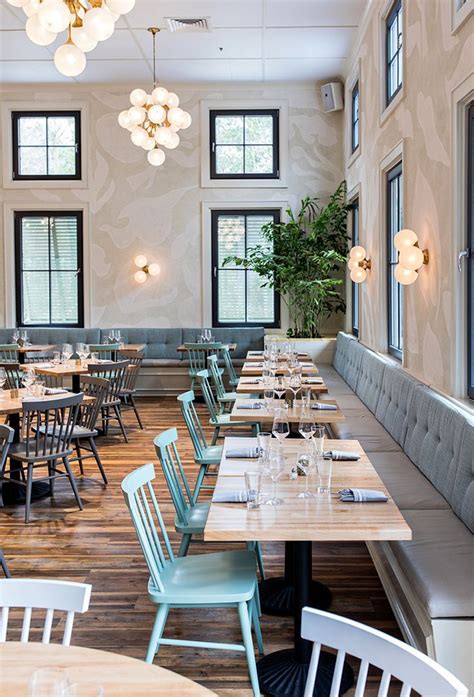
Step away from the flashy facades. True gems often boast an unpretentious, lived-in aesthetic. The decor might be simple, functional, or even a little worn – a sign of years of loyal patronage rather than a recent, expensive renovation aimed at attracting a trendy crowd. Look for local art, traditional patterns, or even just humble, sturdy furniture that prioritizes comfort and utility over modern design.
The sounds and smells are also key. The clatter of plates, lively chatter, and the rich aromas of cooking food wafting from the kitchen or dining area all contribute to an authentic atmosphere. A spot that feels like someone’s grandma’s dining room, rather than a meticulously curated set piece, is likely to deliver genuine culinary warmth.
Kitchen & Staff Dynamics
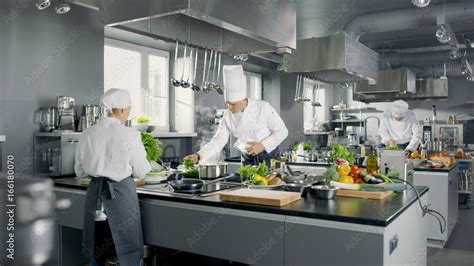
If visible, the kitchen can offer invaluable insights. Is it clean, organized, and bustling with focused activity? Are the chefs and cooks seemingly masters of their craft, moving with purpose and precision? Observe the staff: are they engaging warmly with regulars, handling orders efficiently, and appearing genuinely invested in the food and service? A tight-knit, busy team that seems to know their clientele often points to a well-oiled machine churning out consistently good food.
Another subtle but important clue is the ratio of staff to diners, and their demeanor. If servers seem rushed but calm, efficiently serving a full house, it speaks volumes. If they are bored or overly pushy for business outside, perhaps less so. The joy of the staff in their work often reflects the quality of what they’re producing.
Location, Location, Specialization
Where is the eatery situated? Is it tucked away on a side street, slightly off the main tourist drag, or perhaps nestled in a residential neighborhood or near a local market? These locations often indicate a business reliant on repeat local custom rather than transient visitors. Restaurants near fresh food markets often have direct access to the best ingredients, a clear advantage.
Finally, look for signs of specialization. Does the name itself hint at a particular dish or ingredient, e.g., ‘The Noodle House’ or ‘Dumpling King’? Places that specialize in one or two items often perfect them, becoming local institutions for that specific culinary delight. This focus is a strong indicator of authentic, high-quality offerings.
By honing your observational skills and paying attention to these visual and atmospheric clues, you can quickly cut through the noise and discover the true culinary heart of any destination. Trust your gut, observe your surroundings, and prepare to embark on truly authentic food adventures, one local gem at a time.