Pro plating hacks for vibrant, photo-ready dishes from simple recipes?
Ever wondered how professional chefs make even the simplest dishes look like works of art? The secret often lies not in complex ingredients, but in masterful plating. You don’t need a Michelin star kitchen to elevate your home-cooked meals from delicious to dazzling. With a few pro plating hacks, you can transform everyday recipes into vibrant, photo-ready dishes that will impress guests and social media followers alike. Let’s dive into making your food look as good as it tastes.
Understanding the Basics: The Canvas and the Art
Plating is essentially creating a visual composition. Think of your plate as a blank canvas. The goal is to balance color, texture, height, and negative space to create an appealing picture. Start with a clean, unblemished plate, preferably in a neutral color like white, which allows the food to truly pop. Avoid overcrowding – less is often more when it comes to elegant presentation.
Color and Contrast: Make Your Dish Sing
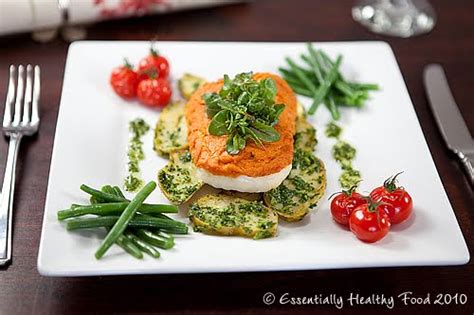
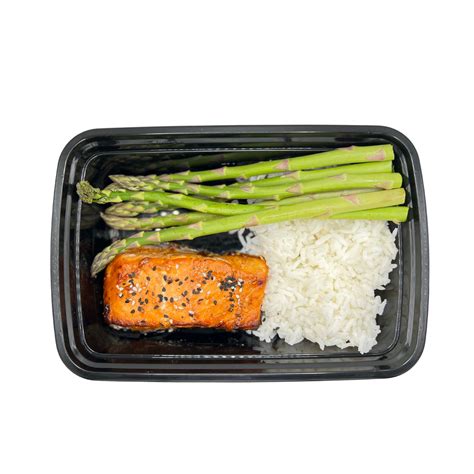
One of the easiest ways to make a dish vibrant is to incorporate a variety of colors. If your main ingredient is monochromatic, add contrasting hues through garnishes or side components. For example, a beige-toned pasta can be instantly brightened with fresh green herbs, red cherry tomatoes, or a swirl of vibrant pesto. Think about the natural colors of your ingredients and how they can complement each other.
Texture and Height: Adding Dimension
A flat plate of food can look unappetizing. Introduce varying textures for visual interest – crunchy elements next to creamy ones, or smooth purees beside crispy components. Height is another crucial element; stacking ingredients strategically or creating a central mound draws the eye. Consider using cookie cutters or ring molds for perfectly shaped portions of grains or vegetables, then build upwards.
Essential Plating Tools and Techniques for Home Cooks
You don’t need fancy equipment to plate like a pro. A few simple items can make a world of difference:
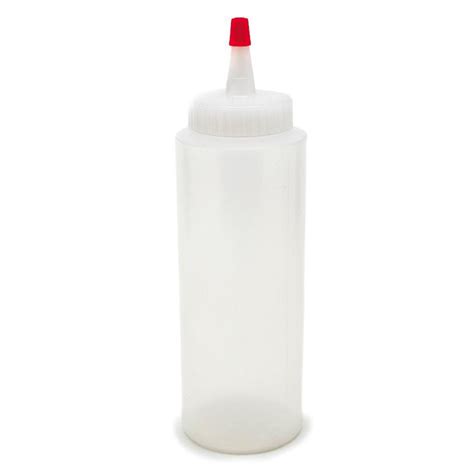
- Squeeze Bottles: Perfect for controlled drizzles of sauces, oils, or purees.
- Tweezers: Great for delicate placement of small garnishes like microgreens or herb sprigs.
- Clean Towel/Paper Towel: Your best friend for wiping plate edges to ensure a pristine presentation.
- Brushes: Small pastry or silicon brushes can help spread thin layers of sauce.
Mastering the “Rule of Odds” and Focal Points
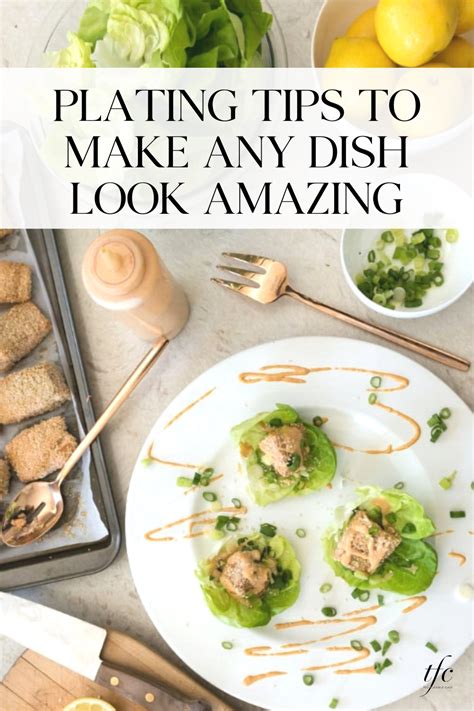
Visually, odd numbers are often more appealing than even numbers. If you’re arranging small components like meatballs or scallops, aim for three or five. Establish a focal point – the most important part of your dish – and arrange other elements around it to guide the viewer’s eye. This creates a sense of balance and intentionality.
Garnish Your Way to Glory
Garnishes are not just for decoration; they add flavor, texture, and a burst of color. They are the final touch that can elevate a simple dish to photo-ready status.
Fresh Herbs: The Instant Brightener
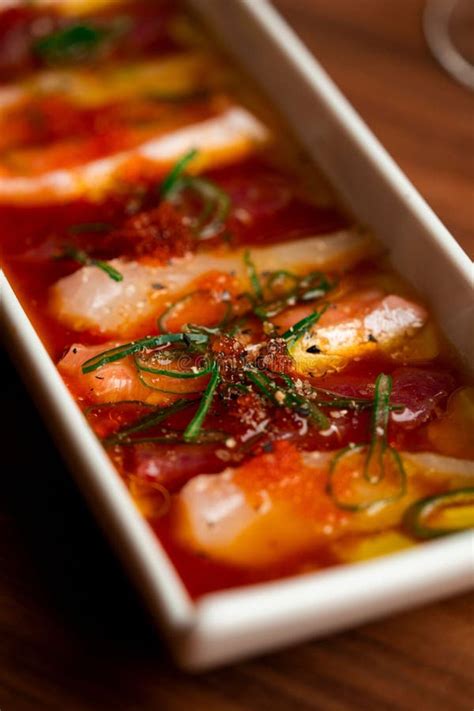
A sprinkle of freshly chopped parsley, cilantro, dill, or chives can instantly refresh and brighten almost any savory dish. For a more dramatic effect, use whole sprigs or leaves. Choose herbs that complement the flavors of your dish.
Sauces and Oils: Swirls, Dots, and Drizzles
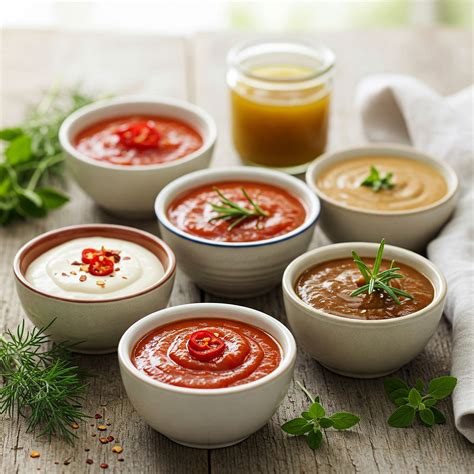
Sauces are an incredible plating tool. Instead of just pouring them over, try creating patterns. A simple swipe with a spoon, artful dots around the main component, or a delicate drizzle in a squeeze bottle can add sophistication. Infused oils (chili oil, herb oil) also work wonders.
Crunchy Toppings: Texture and Visual Appeal
Croutons, toasted nuts, crispy fried onions, seeds, or even a sprinkle of flaky sea salt can provide that much-needed textural contrast and visual crunch. Consider edible flowers for a truly elegant and surprising touch, adding both color and a delicate beauty.
The Final Photo-Ready Touches
Once your dish is plated, take a moment to assess it. Wipe away any smudges or drips. Ensure all elements are clean and intentionally placed. When it comes to photography, good lighting is paramount. Natural indirect light is always best. Shoot from an angle that highlights the height and textures you’ve worked so hard to create. A little garnish here, a slight adjustment there, and your simple recipe is ready for its close-up!
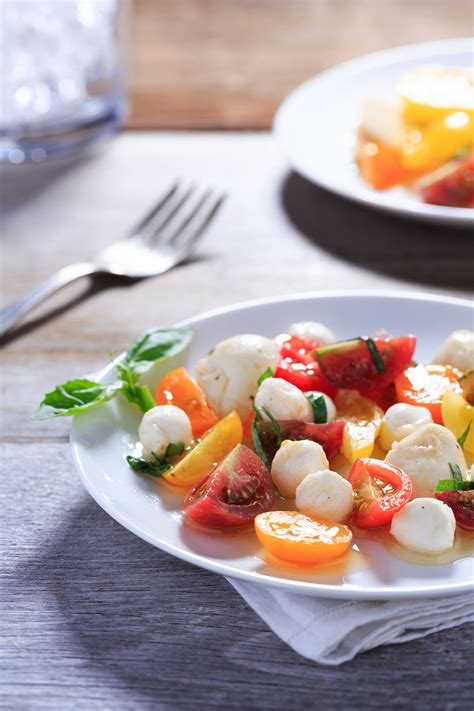
Plating isn’t just for restaurants; it’s a skill anyone can develop to make everyday meals feel special. By focusing on basic principles, utilizing simple tools, and embracing the power of garnishes, you can consistently create vibrant, photo-ready dishes from even the most straightforward recipes. So, go ahead – get creative and let your food shine!