Pro plating hacks: How to make recipes visually stunning for foodie feeds?

Elevate Your Culinary Creations for the Camera
In today’s visually-driven world, a dish isn’t truly complete until it’s “Instagrammable.” For home cooks and aspiring food bloggers alike, mastering the art of food plating can transform an ordinary meal into a work of art, garnering likes and admiration across social media platforms. But how do professional chefs make their food look so effortlessly stunning? It’s not just about the ingredients; it’s about thoughtful presentation. Here are some pro plating hacks to help your recipes shine on every foodie feed.
Harness the Power of Color and Contrast
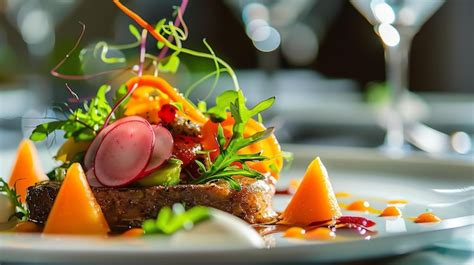
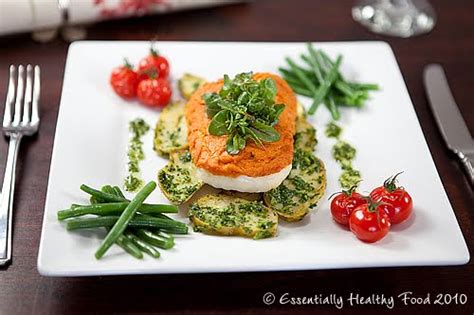
One of the most immediate ways to make a dish visually appealing is through its color palette. Think about creating contrast. If your main ingredient is a light color (like chicken breast or pasta), add pops of vibrant greens (fresh herbs, blanched asparagus), reds (cherry tomatoes, bell peppers), or yellows (lemon zest, corn). Don’t just pile ingredients on; arrange them to highlight their individual hues and textures. A monochromatic dish can be elegant, but often benefits from a contrasting element, even if it’s just a sprinkle of black pepper or a drizzle of dark balsamic glaze.
Texture also plays a crucial role. A plate full of soft foods can look unappetizing. Introduce crunch with toasted nuts, croutons, crisp vegetables, or a fried element. Varying textures adds interest not just to the palate, but also to the eye, making the dish more dynamic.
Mastering Composition and Negative Space
Think of your plate as a canvas. The goal isn’t to fill every inch, but to create a focal point and allow elements to breathe. The “rule of thirds” from photography can be applied here – imagine dividing your plate into a 3×3 grid and placing key elements along the lines or at their intersections. Off-center placements often feel more natural and artistic than perfectly centered ones.
Negative space, the empty areas on your plate, is just as important as the food itself. It guides the eye to the main components, making the dish feel less cluttered and more sophisticated. Don’t be afraid to use larger plates to give your ingredients room to shine. A common beginner mistake is overloading the plate, which diminishes the appeal of individual components.
Add Height and Dimension
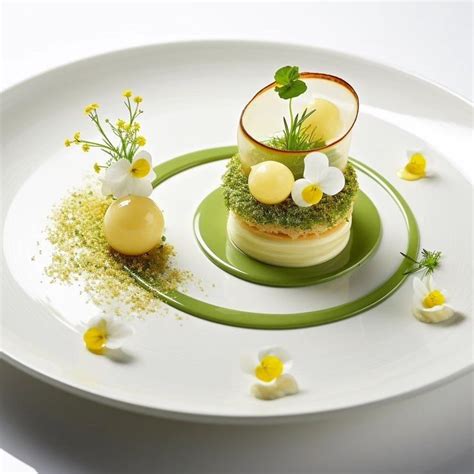
Flat food is boring food, visually speaking. Professional chefs often build dishes upwards to create dramatic effect and dimension. This can be achieved in several ways:
- Stacking: Neatly stack components like pancakes, burger patties, or layers of vegetables.
- Molding: Use a ring mold for rice, quinoa, or tartare to create a perfect cylindrical base.
- Leaning: Lean components against each other, like asparagus spears against a piece of salmon, or tortilla chips in a taco salad.
Even a simple garnish can add height. Think about a sprig of rosemary standing upright or a delicate crisp element perched on top of a dish.
The Art of Garnishing and Saucing
Garnishes are not just pretty additions; they enhance the dish’s overall appeal and flavor. Fresh herbs (parsley, cilantro, dill, chives) add color and freshness. A sprinkle of flaky sea salt, a grating of cheese, or a dusting of paprika can provide subtle visual and textural interest. Ensure garnishes are relevant to the dish’s flavor profile and add a fresh, vibrant touch.
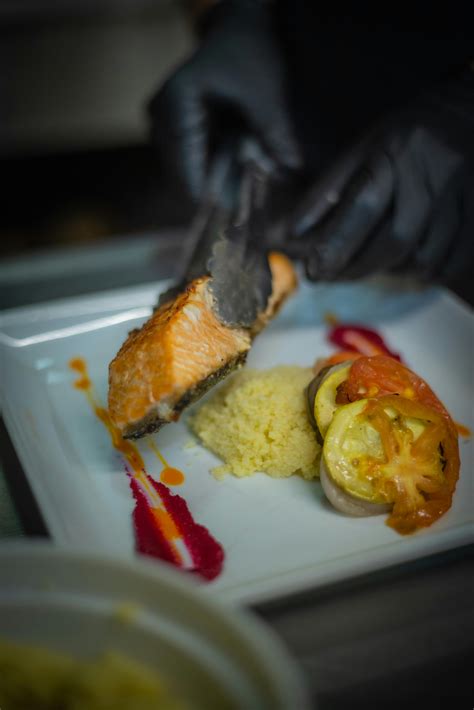
Sauces are another powerful tool. Instead of pouring sauce all over, try these techniques:
- Drizzling: Use a squeeze bottle or a spoon to create controlled lines or swirls.
- Puddling: Create a small pool of sauce as a base for your main ingredient.
- Dotting: Place small, artful dots of sauce around the plate.
- Swiping: Use the back of a spoon to create an elegant swipe across the plate.
Essential Plating Tools for Your Kitchen
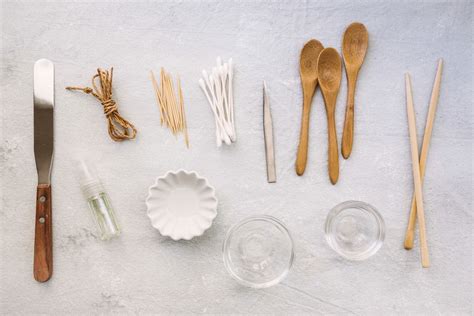
You don’t need a professional kitchen setup to plate like a pro. A few key tools can make a big difference:
- Squeeze Bottles: Perfect for precise sauce application.
- Offset Spatula: Great for lifting delicate items and spreading purées smoothly.
- Tongs: Ideal for placing small items with precision.
- Ring Molds: For perfectly shaped mounds of grains, salads, or desserts.
- Clean Kitchen Towels/Paper Towels: Essential for wiping plate edges clean of any spills or smudges before serving.
A clean plate edge is non-negotiable for a professional look. Always give your plate a quick wipe down before presenting it.
Practice Makes Perfect
Food plating is an art form that improves with practice. Start by focusing on one or two techniques with your everyday meals. Experiment with different arrangements, colors, and textures. Take photos of your work, analyze what looks good, and learn from what doesn’t. Remember, the goal is to make your food as delightful to the eyes as it is to the palate. With these pro plating hacks, you’ll be ready to impress your followers and elevate your home cooking to restaurant-quality presentation.