Pro plating: How to make recipes visually pop for your food feed?
The Power of Visuals in Your Food Feed
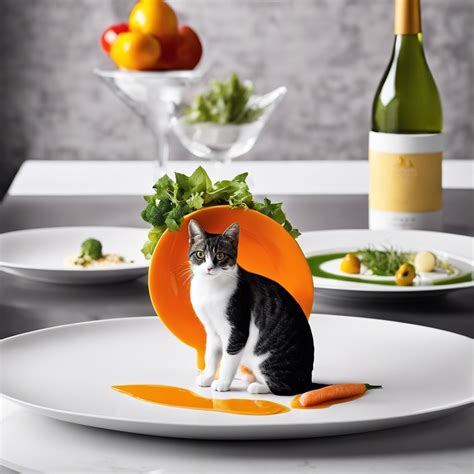
In today’s visually-driven digital world, a delicious recipe is only half the battle. To truly capture attention and make your food feed irresistible, the presentation of your dish is paramount. Whether you’re a home cook sharing daily meals or a food blogger aiming for viral content, mastering the art of plating can elevate your recipes from good to gastronomic works of art. It’s about telling a story with your food before anyone even takes a bite, enticing viewers with color, texture, and thoughtful arrangement.
Fundamental Principles of Professional Plating
Professional plating isn’t just about making food look pretty; it’s about creating a balanced and harmonious composition that stimulates all the senses. Several core principles guide the pros:
Color, Contrast, and Texture
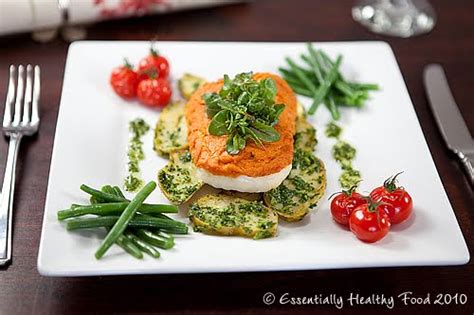
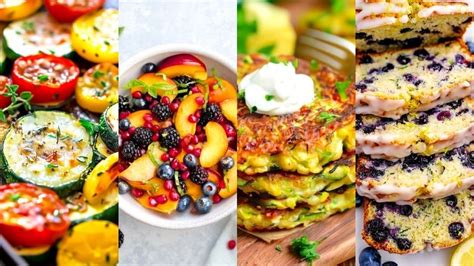
Think beyond just taste. A plate full of beige food, no matter how delicious, won’t grab attention. Incorporate a variety of colors through fresh ingredients like vibrant vegetables, herbs, or sauces. Contrast isn’t just about color; it’s also about varying textures. Think crispy fried onions against a creamy soup, or smooth purée next to crunchy roasted nuts. These elements add visual depth and excitement.
Height, Dimension, and Negative Space
Flat food is boring food for the camera. Build height into your dishes by layering ingredients, stacking components, or placing a central focal point. This creates dimension and makes the dish more dynamic. Equally important is negative space – the empty areas on your plate. Don’t overcrowd the plate; judicious use of empty space allows each component to stand out and gives the eye a place to rest, making the overall presentation cleaner and more sophisticated.
Practical Steps to Elevate Your Dishes
Choose the Right Canvas: Dishware Matters
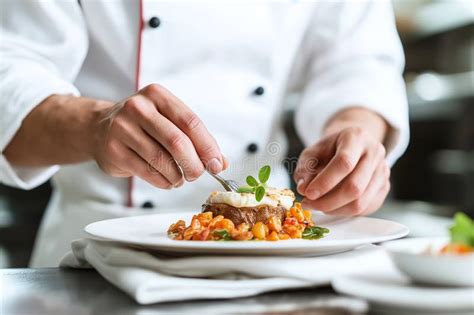
The plate itself is your canvas. Simple, elegant, and often neutral-colored dishware (white, black, slate, or natural wood) allows the food to be the star. Consider the size and shape – a large plate with a small portion creates a gourmet feel, while a deeper bowl might be perfect for a stew or pasta. Think about how the colors of your food will pop against the chosen background.
The Art of Garnishing
Garnishes are not merely decorative; they should ideally enhance the flavor or texture of the dish. Fresh herbs (parsley, cilantro, dill), a sprinkle of seeds, a drizzle of a contrasting sauce, a sprinkle of zest, or even a few edible flowers can add a professional finish. Place garnishes intentionally, avoiding a cluttered look. A few well-placed elements are far more effective than an abundance of scattered bits.
Cleanliness and Precision
A messy plate detracts from even the most beautiful food. Always wipe the edges of your plate with a clean cloth or paper towel before serving. Ensure any drizzles or sauces are applied neatly and intentionally, not haphazardly. Clean lines and sharp edges contribute significantly to a professional look.
Strategic Food Placement
Consider the ‘rule of thirds’ from photography – mentally divide your plate into a 3×3 grid and place key elements along the lines or at their intersections. Create a focal point, typically the star ingredient, and build other components around it. Think about arranging items in odd numbers (e.g., three asparagus spears, five shrimp) as it’s often more visually appealing than even numbers.
Essential Tools for Plating Like a Pro
While you can achieve great plating with basic kitchen tools, a few specialized items can significantly help: squeeze bottles for sauces and purées, offset spatulas for precise spreading, plating spoons for delicate drizzles, and culinary tweezers for arranging small components. These tools allow for greater control and precision, making intricate designs much easier to execute.

Beyond Plating: Lighting and Background
While the focus is on plating, remember that even the most perfectly plated dish needs good lighting and a clean, uncluttered background to truly shine on camera. Natural light is almost always best for food photography. Position your dish near a window, ensuring the light comes from the side or slightly behind the food. A simple background will keep the focus entirely on your delicious creation.
Conclusion: Practice, Experiment, and Inspire
Mastering pro plating takes practice and a keen eye for aesthetics. Don’t be afraid to experiment with different arrangements, colors, and textures. Look to professional chefs and food stylists for inspiration, but always add your unique twist. With a little effort and attention to detail, you can transform your everyday recipes into stunning visual masterpieces that will make your food feed genuinely pop and inspire others to cook and create.