Pro plating tips for making everyday meals look vibrant & gourmet?
Elevate Your Everyday: The Art of Gourmet Plating at Home
Transforming a simple weeknight dinner into a visually stunning, restaurant-worthy experience might sound intimidating, but it’s entirely within reach. Professional chefs understand that we eat with our eyes first, and thoughtful presentation can significantly enhance the enjoyment of a meal. You don’t need fancy equipment or a culinary degree to master basic plating techniques; just a little creativity and attention to detail can make your everyday dishes look vibrant and gourmet.
1. Choose Your Canvas Wisely: Plates and Bowls
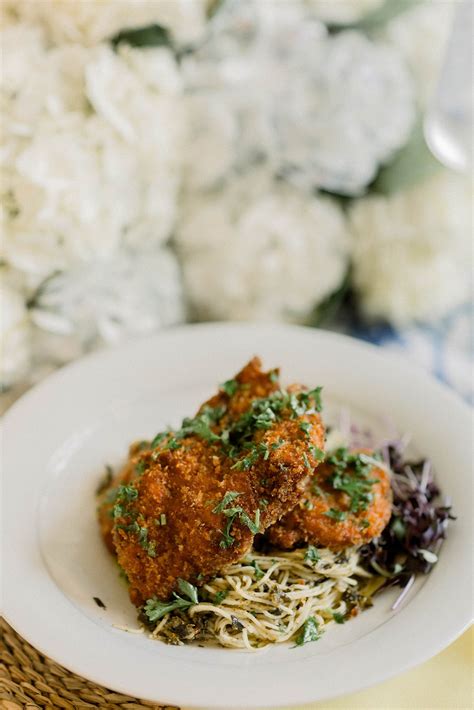
Start with the right foundation. While white plates are often preferred by chefs for their ability to make colors pop, don’t shy away from other neutral tones or even patterned dishes that complement your food. Consider the size and shape of your plate; ensure there’s enough space for your food without overcrowding, allowing for intentional “whitespace” around the elements. A deeper bowl is perfect for stews, pastas, or anything with sauce, while flat plates showcase solid ingredients best.
Before plating, ensure your plates are sparkling clean. Any smudges or drips can detract from even the most perfectly arranged food.
2. Play with Color and Contrast
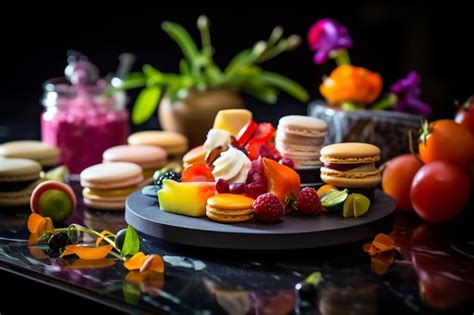
Nature provides a stunning palette. Think about how different colors interact on your plate. A monotone dish can be livened up with a bright herb garnish, a sprinkle of paprika, or a vibrant side vegetable. For example, grilled chicken (beige) can be paired with bright green asparagus and a pop of red from cherry tomatoes or a berry coulis. Strive for a balance of 3-5 colors to keep the plate interesting without becoming chaotic.

3. Build Height and Texture
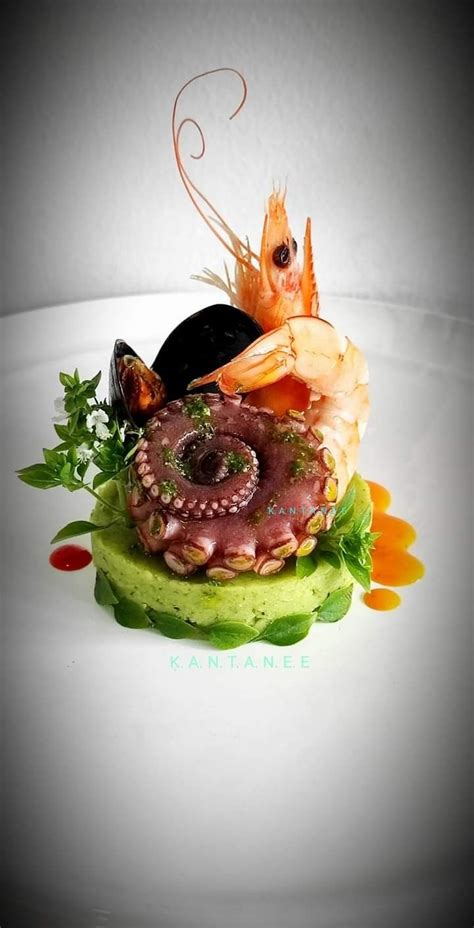
Flat food can look dull. Adding height brings dimension and visual interest. Consider stacking components – a scoop of mashed potatoes as a base for a piece of fish, or layered vegetables in a tower. Use ring molds for perfectly cylindrical portions. Varying textures also makes a dish more engaging; think crispy elements alongside creamy purées, or crunchy nuts sprinkled over soft grains. These contrasts delight both the eyes and the palate.
4. Master the Rule of Odds and Whitespace
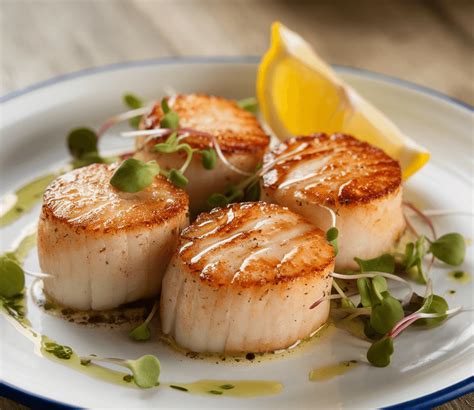
When arranging multiple small items (like scallops, meatballs, or potato croquettes), group them in odd numbers (three or five) rather than even. This creates a more dynamic and visually appealing composition. Furthermore, remember that empty space on a plate is just as important as the food itself. Don’t fill every inch; leaving some clean space helps the eye focus on the main elements and prevents the dish from looking cluttered.
5. The Art of the Garnish and Drizzle
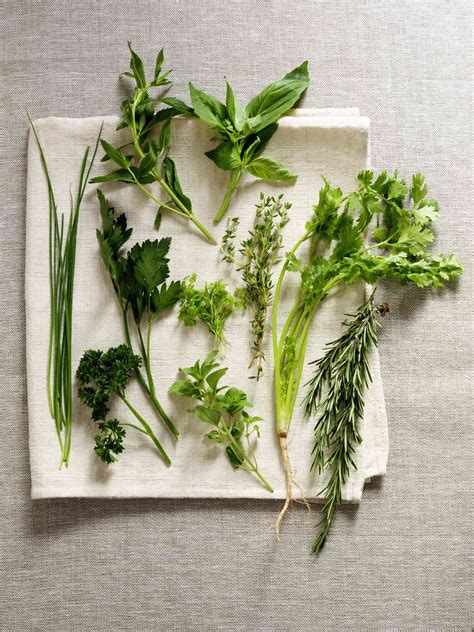
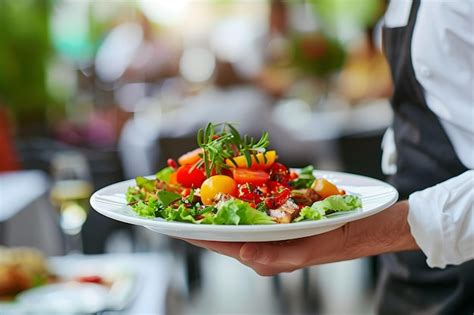
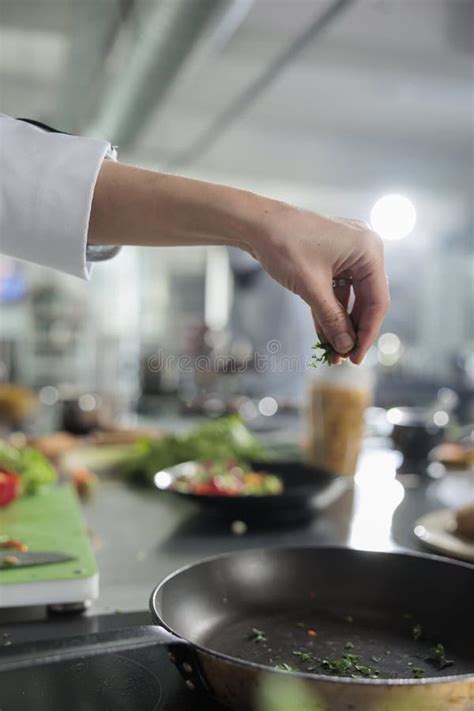
Garnishes aren’t just for decoration; they should complement the dish’s flavors and textures. Fresh herbs like parsley, cilantro, or chives add a burst of color and freshness. A lemon wedge, a dollop of crème fraîche, a sprinkle of toasted seeds, or a drizzle of a vibrant sauce can be the perfect finishing touch. Use squeeze bottles for precise drizzles or spoons for artful swooshes of sauce. Remember, less is often more – a subtle garnish can be more impactful than an overflowing one.
Conclusion: Practice Makes Perfect
Plating is a skill that improves with practice. Don’t be afraid to experiment with different arrangements, sauces, and garnishes. Start with simple dishes and gradually incorporate more techniques. Soon, you’ll find yourself intuitively knowing how to make every meal, from a simple sandwich to a sophisticated entrée, look incredibly appetizing and truly gourmet. Enjoy the process of turning your kitchen into a culinary studio and your dining table into a work of art!