Pro plating tips for vibrant, photogenic food presentation?

Elevate Your Culinary Creations Through Expert Plating
Food isn’t just about taste; it’s a multi-sensory experience where visual appeal plays a crucial role. Professional plating elevates a dish from merely delicious to truly unforgettable, making it vibrant, inviting, and utterly photogenic. Whether you’re a home cook aspiring to impress or a seasoned chef aiming for perfection, understanding a few core plating principles can dramatically transform your culinary presentation.
Mastering Composition and Color
Think of your plate as a canvas. The goal is to create a visually interesting composition that guides the eye. A common guideline is the ‘rule of thirds,’ placing key elements off-center for a more dynamic look. Consider the balance of all components – proteins, starches, vegetables, and sauces – ensuring they contribute to a harmonious whole without overwhelming the plate.
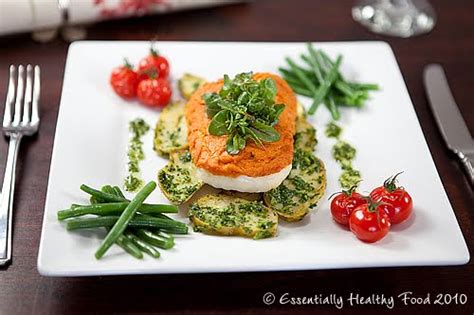
Color is perhaps the most immediate visual cue. Aim for a spectrum of natural, vibrant colors. Contrast is key; pair light with dark, vibrant with muted, and warm with cool to make each element pop. Fresh herbs, colorful vegetables, and bright sauces are your best friends in achieving this lively aesthetic.
Texture, Height, and Dimension
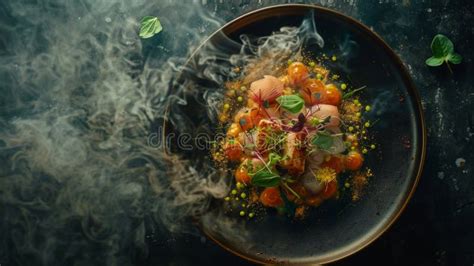
A visually engaging plate isn’t flat. Incorporate varying textures to add interest – a crispy element next to a creamy puree, or crunchy garnishes atop a tender protein. This textural diversity not only appeals to the eye but promises an exciting experience on the palate.
Building height and dimension can make a dish more dramatic and appealing. Instead of spreading ingredients flat, try stacking or leaning them creatively. A neatly portioned protein, a mound of grains, and a delicate garnish piled strategically can create an impressive focal point. Use smaller components like microgreens or edible flowers to add delicate accents to the structure you’ve built.
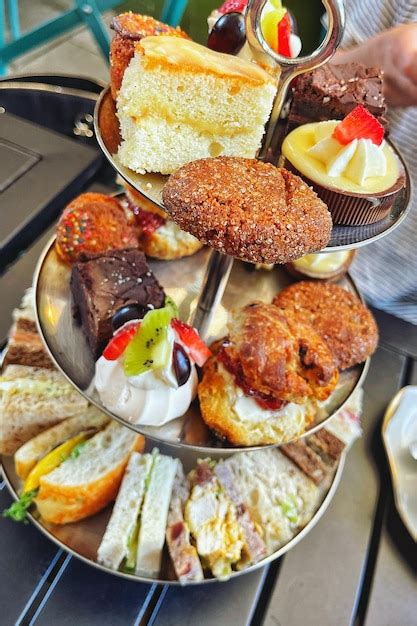
The Finesse of Finishing Touches
Garnishes are not just an afterthought; they are integral to a professional presentation. Choose garnishes that complement the dish’s flavors and colors, such as fresh herbs, a sprinkle of toasted nuts, or a delicate drizzle of oil or sauce. Remember, less is often more – a strategically placed garnish is far more impactful than an overflowing one.
Sauces can be painted, swiped, or dotted onto the plate with precision. Use squeeze bottles or spoons to create deliberate patterns or pools that enhance the dish’s aesthetic. Always ensure your plate rim is immaculately clean before serving; a stray smudge can detract from even the most beautiful presentation.

Plating for the Lens: The Photogenic Edge
In the age of social media, making your food photogenic is almost as important as making it delicious. Good lighting is paramount; natural, diffused light is always best. Experiment with angles – overhead shots can highlight patterns and overall composition, while a lower angle can emphasize height and texture. Keep props minimal and complementary, allowing the food to remain the star.

Practice Makes Perfect
Professional plating is a skill that develops with practice. Don’t be afraid to experiment with different arrangements, colors, and textures. Pay attention to how chefs plate dishes in restaurants or culinary shows. With each attempt, you’ll refine your eye and technique, turning every meal into a feast for both the eyes and the palate. Start small, focus on one element at a time, and soon you’ll be plating dishes that are as stunning to look at as they are delightful to eat.