
Pro plating tips: how to make real food shine for visual feeds?

Why Plating Matters in the Age of Visual Feeds
In today’s visually-driven world, where every meal has the potential to become a social media post, the presentation of your food is almost as important as its taste. Whether you’re a home cook looking to impress dinner guests, a blogger sharing your culinary creations, or simply someone who appreciates the beauty of a well-composed dish, mastering the art of plating can elevate your real food from delicious to dazzling. This guide will walk you through professional tips to make your meals truly shine for those hungry eyes and visual feeds.
Choosing Your Canvas: The Right Plate Makes a Difference
Think of your plate as the canvas for your edible masterpiece. The choice of tableware significantly impacts the final presentation. Generally, white or neutral-colored plates allow the food’s colors to pop without distraction. Consider the size and shape – a larger plate provides more negative space, making the dish feel more refined, while a smaller, deeper bowl might be perfect for stews or pasta. Don’t overcrowd your plate; less is often more, allowing each component to breathe and be appreciated.

Embrace Color and Contrast: Your Palate’s Palette
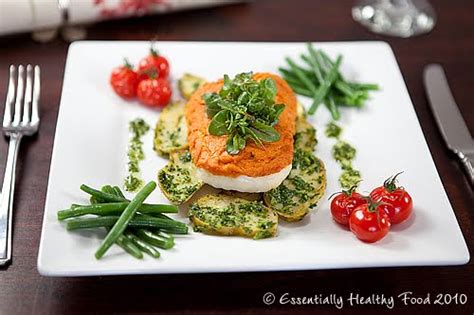
Nature offers an incredible array of colors, and using them thoughtfully can make your dish visually captivating. Aim for a variety of colors that complement each other. For instance, a vibrant green from fresh herbs, the rich red of a tomato, and the golden brown of a perfectly seared protein create a dynamic and appealing look. Contrast is also key – light ingredients against dark plates, or vice-versa, can make elements stand out. Think about the natural colors of your ingredients and how they interact on the plate.
Build Height and Texture: Adding Dimension to Your Dish
Flat food can look uninspired. Introducing height and varying textures adds an exciting dimension to your plating. Consider stacking components – for example, a protein resting on a bed of pureed vegetables, or a small mound of grains. Use different cooking methods to achieve diverse textures: crispy elements like fried onions or toasted nuts alongside soft purees or tender meats. A deliberate layering creates visual interest and hints at the complexity of flavors within.

The Rule of Odds and Negative Space: Composition Secrets
Professional chefs often apply principles of design to their plating. The “rule of odds” suggests that an odd number of items (like three scallops or five asparagus spears) is more visually appealing and natural than an even number. Furthermore, don’t underestimate the power of negative space – the empty areas on the plate. Strategic use of negative space guides the eye, highlights the main components, and prevents the dish from looking cluttered. Imagine an invisible line dividing your plate into thirds, and aim to place your key elements along those lines for a balanced composition.
Garnish with Purpose: The Finishing Touch
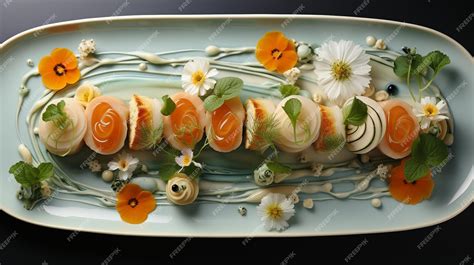
Garnishes aren’t just for show; they should enhance the flavor and texture of the dish while adding a final flourish. Fresh herbs like parsley, cilantro, or microgreens add color and a hint of freshness. A delicate drizzle of a contrasting sauce or a sprinkle of paprika can add visual appeal and define the contours of your dish. Ensure garnishes are edible and relevant to the dish’s flavor profile. A perfectly placed edible flower or a precisely piped sauce can transform a simple meal into an artistic statement.

Consider Your Angles: Photographing Your Masterpiece
While not strictly about plating, understanding how your dish will be photographed is crucial for visual feeds. Overhead shots often work well for dishes with interesting patterns or a lot of components, while a slight angle can highlight height and texture. Natural light is almost always best; avoid harsh overhead lights. Position your dish near a window for soft, even illumination. A clean background, free of clutter, will ensure your food remains the undisputed star of the shot.
Practice Makes Perfect: Developing Your Plating Style
Like any art form, food plating takes practice. Don’t be afraid to experiment with different arrangements, garnishes, and plate choices. Observe how professional chefs plate their dishes in restaurants or online, and try to replicate techniques. Over time, you’ll develop your own personal plating style that reflects your culinary aesthetic. Remember, the goal is to make your food look as good as it tastes, enhancing the entire dining experience for yourself and your audience. So, grab your tongs, your squeeze bottles, and your creativity, and start making your real food shine!