Pro tips for beautifully plated dishes at home?

Transforming Your Home Meals into Culinary Masterpieces
You’ve spent time perfecting a delicious recipe, but often, the visual appeal of a dish is just as important as its taste. Professional chefs understand that we eat with our eyes first, and beautifully plated food significantly enhances the dining experience. The good news? You don’t need a Michelin-star kitchen to achieve stunning presentations at home. With a few pro tips, you can elevate your everyday meals into Instagram-worthy creations.
Understanding the Core Principles of Plating
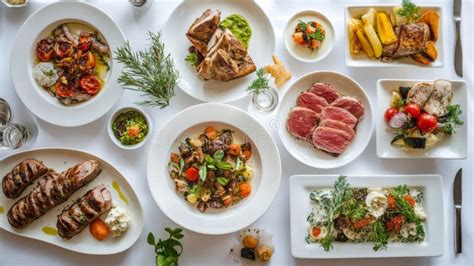
Effective plating relies on a few fundamental concepts: color, texture, height, and contrast. Aim for a variety in each. Bright, contrasting colors make a dish pop. Different textures (crispy, creamy, tender) add interest. Building height prevents a flat, unappetizing look, and contrast (both in color and texture) keeps the eye engaged.
Choosing Your Canvas: The Right Plate
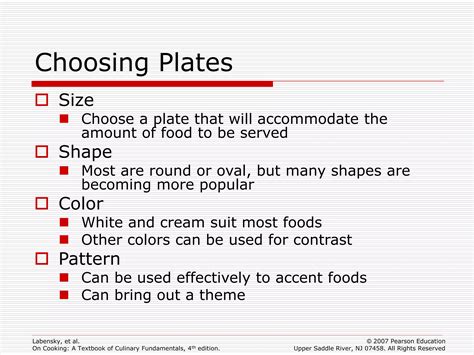
Think of your plate as a blank canvas. The choice of plate can dramatically impact your presentation. Generally, white or neutral-colored plates allow the food to stand out. Consider the shape and size – a larger plate provides more whitespace, which is crucial for elegant plating, while shallow bowls work well for dishes with sauces or grains. Avoid overcrowding; leave ample space around your food.
The Rule of Odds and Whitespace
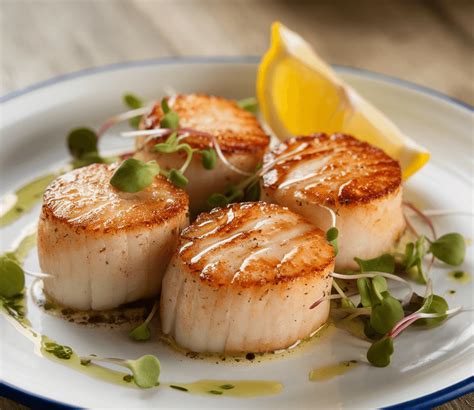
An odd number of elements (e.g., three asparagus spears, five scallops) often looks more natural and aesthetically pleasing than an even number. Furthermore, embrace whitespace. Don’t pile food to the edges of the plate. Leaving intentional empty space allows each component to breathe and highlights the artistry of your arrangement. It creates a sense of elegance and sophistication.
Building Layers and Height
Flat food can look uninspired. Introduce height to your dishes by stacking ingredients. For example, place a protein on a bed of purée or arrange vegetables leaning against a main component. Use smaller, complementary items to create a visual pyramid or architectural structure. Tongs are invaluable tools for precise placement.
Garnishing with Purpose
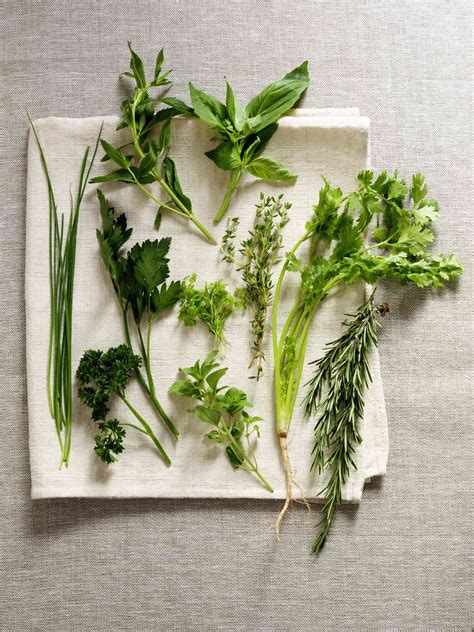
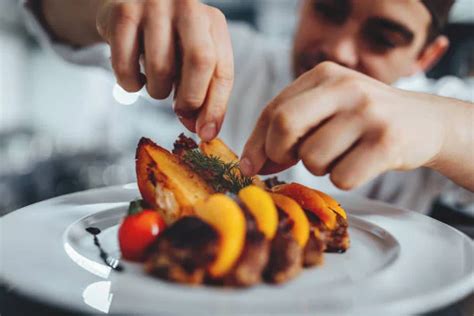
Garnishes shouldn’t be an afterthought; they should complement the dish in both flavor and aesthetics. A fresh herb sprig, a sprinkle of toasted nuts, a few vibrant microgreens, or a lemon wedge can add a final flourish of color, texture, and aroma. Ensure your garnish is edible and relevant to the dish’s flavor profile. Less is often more – don’t overwhelm your beautiful arrangement with too many garnishes.
Sauces and Drizzles: The Artistic Touch
Sauces are not just for flavor; they can be a key element of your plating. Instead of pouring a pool of sauce, consider controlled applications. A swirl of sauce under the main ingredient, a precise drizzle over it, or a few artful dots around the plate can add visual interest and tie the components together. Use a squeeze bottle or the back of a spoon for greater control.

Practice Makes Perfect
Like any skill, plating takes practice. Don’t get discouraged if your first attempts aren’t perfect. Experiment with different arrangements, plates, and garnishes. Take photos of your creations to analyze what works and what doesn’t. Soon, you’ll develop an intuitive sense for what looks appealing and professional.
Conclusion
Elevating your home plating is a rewarding journey that enhances the entire dining experience. By paying attention to details like plate choice, arrangement, height, and purposeful garnishes, you can transform simple meals into visually stunning dishes. So, next time you cook, take a moment to plate with intention – your taste buds and eyes will thank you.