Pro tips for beautifully plating everyday dishes to make them ‘visual feed’ worthy?

Transforming Everyday Meals into Culinary Masterpieces
In an age where every meal has the potential to be shared, making your everyday dishes look as good as they taste has become an art form. You don’t need a Michelin-star kitchen or a culinary degree to achieve ‘visual feed’ worthy presentation. With a few pro tips, you can elevate your regular weeknight dinner into a feast for the eyes. Let’s dive into simple yet effective techniques to make your food shine.
Embrace the Rule of Odds
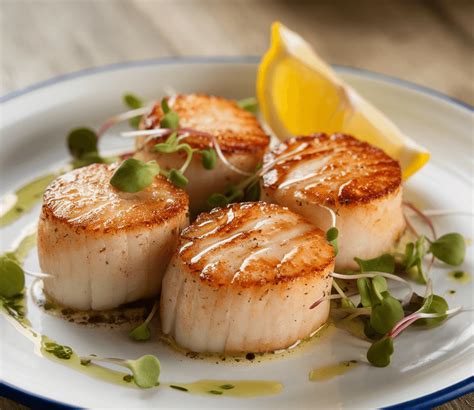
One of the easiest ways to create a visually appealing plate is to arrange elements in odd numbers, typically three or five. Our brains naturally find odd groupings more attractive and dynamic than even ones. For instance, instead of two perfectly aligned chicken pieces, try three, arranged slightly off-center. This simple trick adds a sense of artful asymmetry and professional flair.
Think about your main components – your protein, starch, and vegetables. By using odd numbers for smaller garnishes or even the primary items, you can create a more balanced and aesthetically pleasing composition.
Color and Contrast are Key
Food is naturally vibrant, and leveraging its colors is fundamental to good plating. A monochrome dish can appear flat and unappetizing. Introduce contrasting colors to make your food pop! A sprinkle of fresh green herbs on a rich red tomato sauce, or a bright orange carrot purée next to a dark piece of roasted meat, immediately adds visual interest.
Don’t forget about texture contrast either. A crispy element against something creamy, or a smooth sauce alongside a crunchy garnish, adds depth and excitement to the plate. Think about how different colors and textures will play off each other to create a dynamic visual.

Think About Height and Texture
Flat food is boring food. Adding height gives your dish dimension and makes it appear more substantial and sophisticated. Instead of spreading everything out, try stacking components judiciously. For example, pile your rice or grains neatly, or arrange roasted vegetables to build a small tower. Be careful not to make it look like a Jenga tower, but rather an intentional elevation.
Varying textures also contributes significantly to visual appeal. A smooth purée at the base, topped with a piece of perfectly seared fish, and then garnished with some microgreens or fried shallots, creates a compelling visual and textural journey for the diner.
![[100+] Food 4k Wallpapers | Wallpapers.com](/images/aHR0cHM6Ly90czEubW0uYmluZy5uZXQvdGg/aWQ9T0lQLk1NdE9GOXdXSmhvd0djVXdiOHI1WWdIYUVLJnBpZD0xNS4x.webp)
The Power of the Garnish
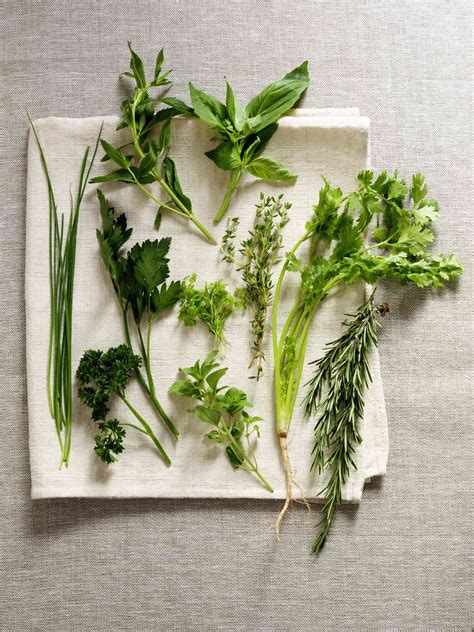
Garnishes are the jewelry of your dish – they provide the finishing touch that ties everything together. A simple sprig of fresh parsley, cilantro, or dill can transform a plate. Think beyond just green herbs; a drizzle of a contrasting colored sauce, a sprinkle of toasted nuts, citrus zest, or even edible flowers can add elegance and a touch of professional artistry.
Remember, garnishes should always be edible and complement the flavors of the dish. Avoid overcrowding; a small, thoughtfully placed garnish is far more effective than an overwhelming heap.
Keep It Clean and Simple
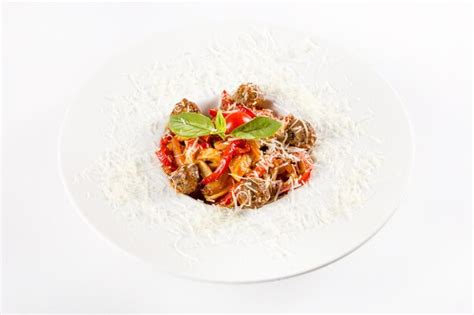
While creativity is encouraged, clutter is not. A clean plate is paramount to beautiful presentation. Before serving, always wipe the rim of your plate with a clean cloth or paper towel to remove any drips, spills, or fingerprints. A pristine canvas highlights your food beautifully.
Secondly, resist the urge to put too much on the plate. Less is often more. Give your food room to breathe. An overcrowded plate looks messy and unappetizing. Focus on a few key elements and arrange them deliberately to create an impactful visual.
Choose Your Canvas Wisely
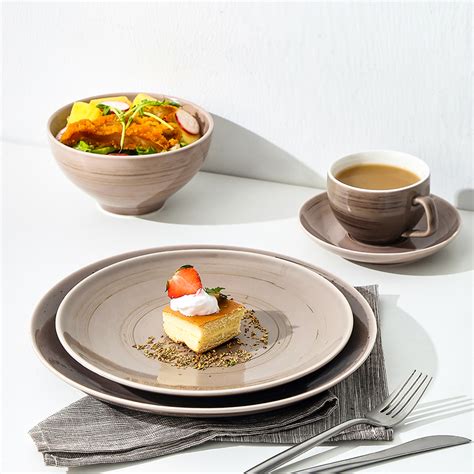
The plate itself plays a crucial role in presentation. Consider its size, shape, and color. White or neutral-colored plates are often preferred as they allow the food’s colors to stand out. Round plates are classic, but square or rectangular plates can offer a more modern aesthetic.
Ensure the plate is appropriately sized for the portion. Too large a plate can make a portion look meager, while too small a plate can make it look overflowing. Experiment with different types of dinnerware to see how they complement your culinary creations.
Practice Makes Perfect
Beautiful plating is a skill that improves with practice. Don’t be afraid to experiment with different arrangements, garnishes, and plate choices. Start by applying one or two tips to your next meal, observe the difference, and gradually incorporate more. Soon, you’ll be creating ‘visual feed’ worthy dishes that impress not just your camera, but everyone at your table.