Pro tips for capturing stunning food adventure visuals of authentic local eats?
Unlocking the Visual Feast: Capturing Authentic Local Eats
Embarking on a food adventure is a journey for the senses – the aroma, the taste, the vibrant atmosphere. But how do you translate that multi-sensory experience into a single, captivating image? Whether you’re a seasoned traveler or a casual explorer, mastering the art of food photography can elevate your memories and inspire others to discover the magic of authentic local cuisine. It’s not just about snapping a picture; it’s about telling a story, conveying flavor, and capturing the soul of a place through its dishes.
1. Harness the Power of Natural Light
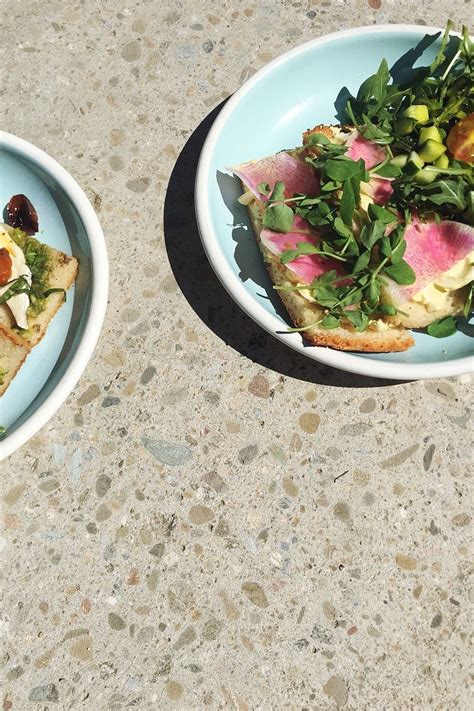
Light is the single most crucial ingredient in food photography. Forget the harsh, direct flash of your camera or phone. Instead, seek out soft, diffused natural light. Window light, especially on an overcast day or during the ‘golden hour’ (shortly after sunrise or before sunset), creates beautiful shadows and highlights that make food look appetizing. Position your dish near a window, ensuring the light comes from the side or slightly behind the food, rather than directly in front. This technique adds depth and texture, making every crumb and drizzle stand out.
Avoid bright overhead restaurant lights that can cast unflattering yellow or green hues. If natural light is scarce, consider using a white napkin or menu as a makeshift reflector to bounce light back onto darker areas of your dish, brightening shadows subtly.
2. Master Composition and Perspective
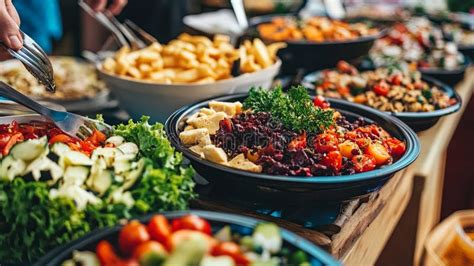
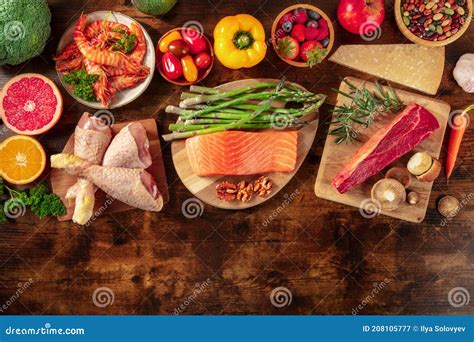
The way you frame your shot can make or break an image. Experiment with different angles to find what best showcases the dish. A popular choice for many dishes, especially those served in bowls or with various components, is the ‘flat lay’ or overhead shot. This angle offers a comprehensive view of the entire spread and is excellent for capturing the context of the table.
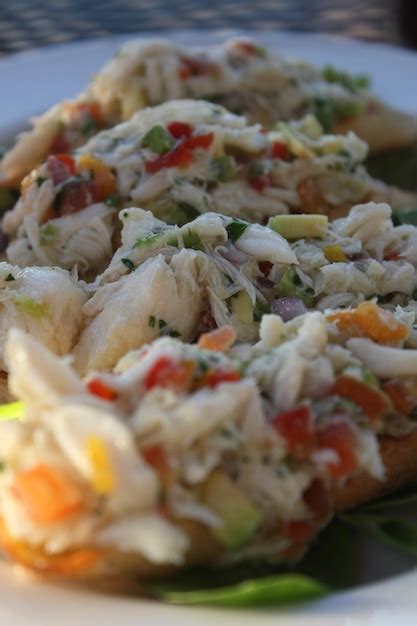
For dishes with height or intricate layers, an eye-level shot can emphasize their structure and dimension. Don’t be afraid to get in close for a detail shot, highlighting textures, garnishes, or the glistening sauce. The ‘rule of thirds’ is also your friend: imagine a grid over your image and place key elements along the lines or at their intersections for a more dynamic and engaging photo. Use negative space to draw attention to your subject.
3. Tell a Story Beyond the Plate
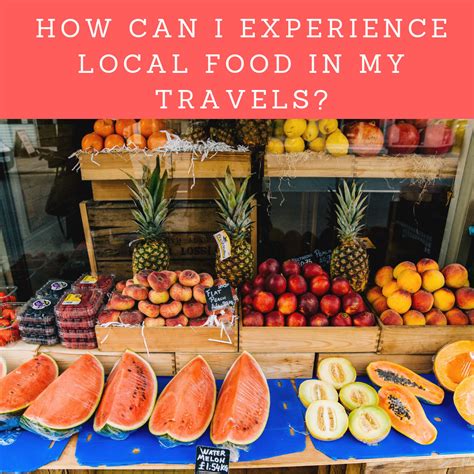
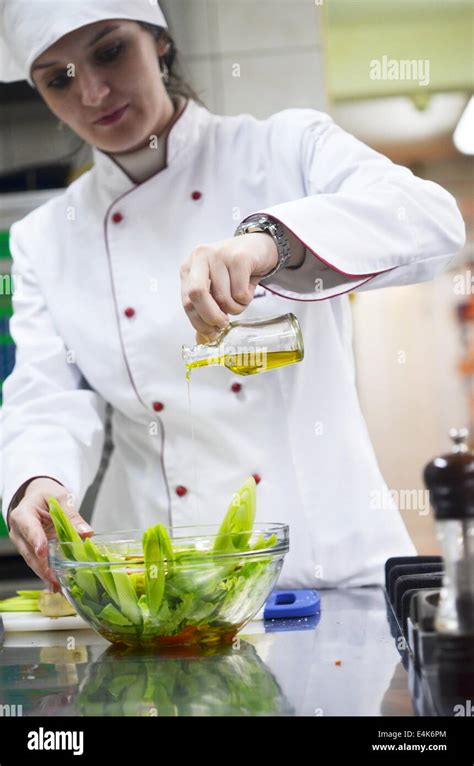
Authentic local eats are more than just food; they are an experience rooted in culture and community. Expand your focus beyond the isolated dish. Capture the bustling market where the ingredients were sourced, the skilled hands of the chef preparing your meal, or the vibrant ambiance of the local eatery. Include elements of your surroundings – a unique tablecloth, traditional utensils, or even the blurry background of people enjoying their meals.
Action shots, like someone stirring a pot, serving a plate, or even taking a bite, can add a dynamic and personal touch, making your visuals feel alive and inviting. Emphasize the steam rising from a hot dish or the condensation on a cold drink to convey freshness and temperature.
4. Equipment and Subtle Enhancements
You don’t need professional gear to capture stunning food visuals. Modern smartphones are incredibly capable. Ensure your lens is clean (a quick wipe with a soft cloth works wonders). Use your phone’s portrait mode for beautiful background blur (bokeh) or experiment with manual settings if your phone app allows it. Focus precisely on the most appealing part of the dish.
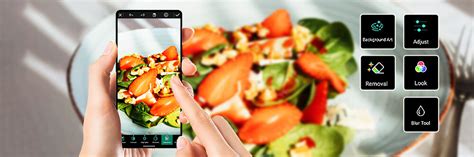
After capturing your shot, subtle post-processing can make a big difference. Adjust brightness, contrast, and saturation slightly to make colors pop and enhance clarity. Avoid over-editing; the goal is to enhance the natural appeal of the food, not to create an artificial look. Aim for consistency in your editing style across your food adventure series to build a cohesive visual narrative.
Conclusion: Eat, Shoot, Share, Repeat
Capturing stunning food adventure visuals is a blend of technical know-how and an appreciation for the moment. By paying attention to natural light, thoughtful composition, and the broader story behind the plate, you can create images that truly do justice to the authentic local eats you encounter. Practice, experiment, and most importantly, enjoy the journey – both culinary and photographic. Your audience will thank you for the delicious visual feast!