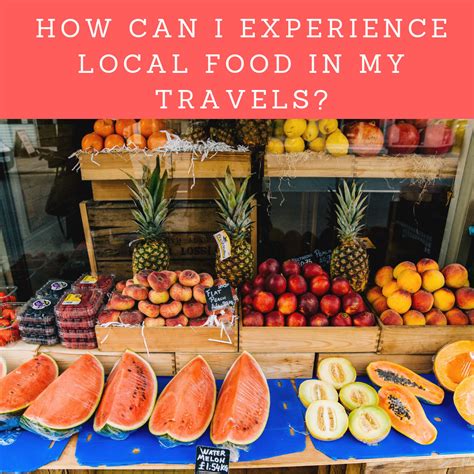
Pro tips for capturing vibrant, authentic street food visuals?

Embrace the Chaos: Finding Beauty in Busy Scenes
Street food isn’t just about the dish; it’s about the atmosphere, the vendor’s passion, and the bustling environment where it’s created and enjoyed. To capture truly vibrant and authentic visuals, you need to immerse yourself in the scene, not just focus on the plate. Start by observing the interactions, the unique setup of a stall, and the way light plays on the ingredients.
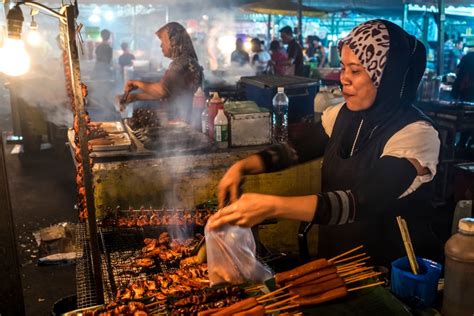
Authenticity comes from showing the full story. Don’t be afraid to include hands, faces, or the vibrant chaos of the market in your shots. These elements add context and bring the image to life, making viewers feel like they are right there experiencing the moment.
Mastering Natural Light: Your Best Friend on the Street
The golden hour, either shortly after sunrise or before sunset, offers the most flattering and warm light for food photography. However, street food vendors often operate throughout the day. Learn to work with the available light. Overcast days provide soft, diffused light perfect for minimizing harsh shadows, while direct sunlight can be tamed by finding shaded areas or using natural reflectors like white walls.
Pay attention to the direction of light. Backlighting can create beautiful rim lighting around subjects, highlighting textures, while side lighting can add depth and dimension. Avoid using your camera’s built-in flash, as it often produces harsh, unnatural-looking results. Instead, look for natural light sources to illuminate your subject beautifully.
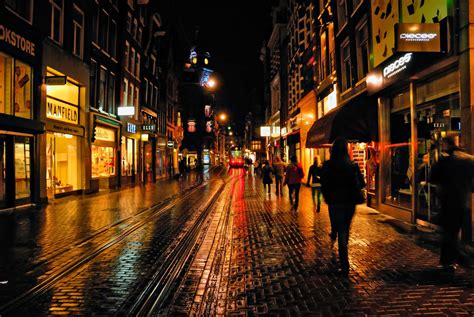
Composition and Storytelling: Beyond Just the Food
While the food is your main subject, the way you compose your shot can elevate it from a simple snapshot to a captivating visual story. Experiment with different angles. Get low to capture the steam rising from a dish, or shoot from above to showcase the intricate arrangement of ingredients. Use the rule of thirds to place your subject off-center, creating more dynamic and engaging compositions.
Look for leading lines, such as the edge of a counter or a row of ingredients, to draw the viewer’s eye towards the main subject. Incorporate elements that tell a story: the vendor’s hands preparing the dish, the vibrant spices, or the texture of a freshly baked pastry. These details add layers to your narrative.
Engage with Vendors and Locals: Building Connections for Better Shots
One of the best ways to capture truly authentic street food visuals is to engage with the people behind the food. A friendly smile or a polite request to photograph their stall or dish can open doors to incredible opportunities. Vendors are often proud of their craft and might even offer you a unique angle or insight if you show genuine interest.
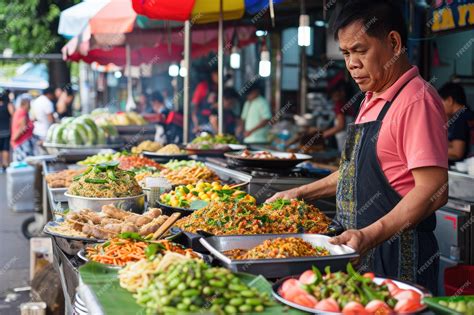
Don’t just snap and leave. Take a moment to chat, learn about the dish, and maybe even make a purchase. This interaction not only enriches your personal experience but also helps you capture the human element that is so integral to street food culture. Respect their space and their work, and you’ll often be rewarded with genuine smiles and compelling visual narratives.
Gear and Settings: Simplicity Often Wins
You don’t need a professional studio setup to capture stunning street food photos. Often, a good smartphone or a mirrorless camera with a versatile prime lens (like a 50mm or 35mm equivalent) is all you need. The key is portability and discretion. For camera settings, prioritize a fast shutter speed to freeze motion (especially for busy scenes or steam), a relatively wide aperture (f/2.8-f/5.6) for a pleasing background blur (bokeh), and adjust your ISO as needed for proper exposure.
Most importantly, be ready to shoot quickly. Street food scenes are dynamic and fleeting. Practice quick adjustments and learn to anticipate moments. The best shot is often the one you manage to capture spontaneously, full of raw energy and authenticity.