Pro tips for plating everyday dishes to look gourmet on visual feeds?

In today’s visually-driven world, a dish isn’t truly complete until it’s “gram-worthy.” Even the simplest home-cooked meal can be transformed into a culinary masterpiece with a few professional plating tricks. Elevate your everyday dinners from functional to fabulous, impressing your followers and your family alike.
The Right Canvas: Dishware and Background
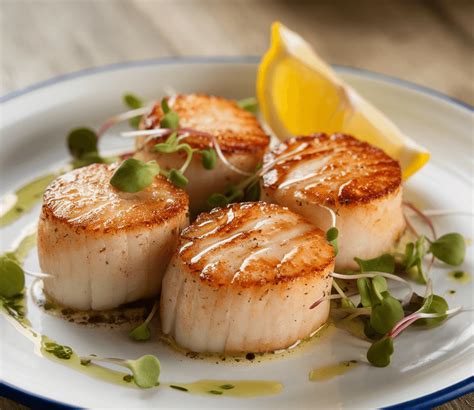
Before you even think about the food, consider your backdrop. White, plain plates are often the best choice as they allow the food’s colors to pop without distraction. Bowls with wide rims can also create a professional frame. Think about the surface beneath the plate too – a rustic wooden board, a clean linen tablecloth, or a minimalist concrete slab can set a specific mood. Avoid cluttered backgrounds that detract from your main subject.

Mastering Composition: The Art of Placement
This is where the magic happens. Instead of just dumping food onto a plate, think like an artist.
Rule of Thirds: Imagine your plate divided into nine equal sections by two horizontal and two vertical lines. Place your main elements at the intersections or along these lines for a more dynamic and pleasing arrangement, rather than dead center.
Negative Space: Don’t overcrowd the plate. Leaving some empty space around your food helps highlight the dish and makes it feel more elegant and less overwhelming. It gives the eye a place to rest.
Height and Texture: Add visual interest by building height. Stack ingredients neatly, or use a mold for starches. Introduce varying textures – crisp elements alongside soft ones, smooth sauces next to crunchy garnishes.

Color and Contrast: Make it Pop
Vibrant colors are essential for visual appeal. Think about how different colors interact on your plate.
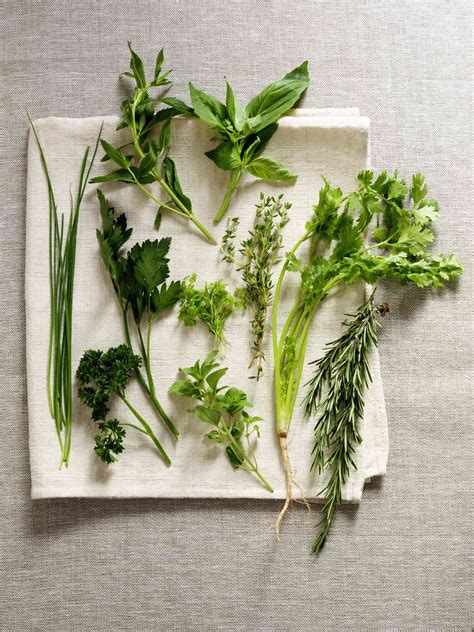
Garnishes: Fresh herbs (chives, parsley, cilantro, dill), citrus zest, edible flowers, or a sprinkle of paprika can add a splash of color and freshness. Ensure garnishes are relevant to the dish’s flavor profile.
Contrasting Elements: If your main dish is monochromatic, introduce an ingredient with a contrasting color. A bright cherry tomato salsa with grilled chicken, or a vivid green pesto swirl on pasta, can make all the difference.
![🔥 [63+] Colorful Flowers Backgrounds | WallpaperSafari](/images/aHR0cHM6Ly90czIubW0uYmluZy5uZXQvdGg/aWQ9T0lQLjFnZWZfdlFDalNONk1vMGxTX09ZakFIYUVvJnBpZD0xNS4x.webp)
The Finesse of Sauces and Drizzles
Sauces aren’t just for flavor; they’re powerful plating tools. Instead of pouring sauce all over, try these techniques:
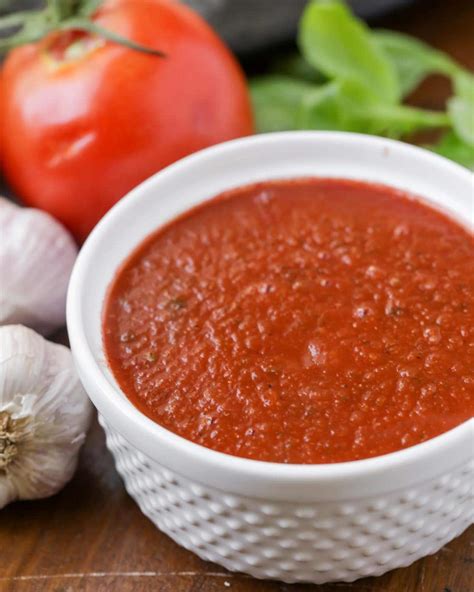
Controlled Drizzle: Use a squeeze bottle or a spoon to create controlled lines, dots, or swirls of sauce. A gentle swipe of sauce across the plate with the back of a spoon can create an elegant backdrop for your main ingredients.
Underneath or Aside: Sometimes, a pool of sauce underneath the main component or neatly placed to the side works best, allowing the food itself to shine while still incorporating the sauce’s visual appeal.
The Finishing Touches: Precision and Sparkle
The final details can elevate a dish from good to gourmet.
Clean Edges: Always wipe the rim of your plate clean with a damp cloth or paper towel before serving. Smudges or drips can ruin an otherwise perfect presentation.
Tiny Details: A sprinkle of flaky sea salt, a few grinds of fresh black pepper, a light dusting of powdered sugar (for desserts), or a tiny microgreen can add that professional touch and visual texture. Less is often more; avoid over-garnishing.
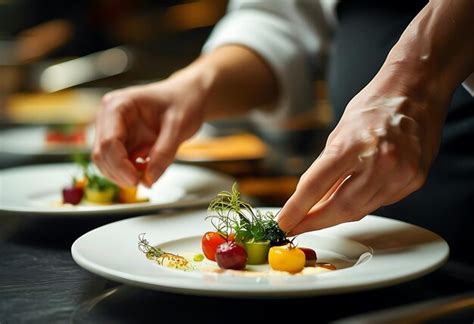
Practice Makes Perfect
Plating is an art form that improves with practice. Start by experimenting with simple dishes, paying attention to colors, textures, and negative space. Take photos from different angles to see what works best. Soon, you’ll be turning everyday meals into Instagram-worthy culinary creations that look straight out of a five-star restaurant. Enjoy the process of transforming your kitchen into a personal gourmet studio!