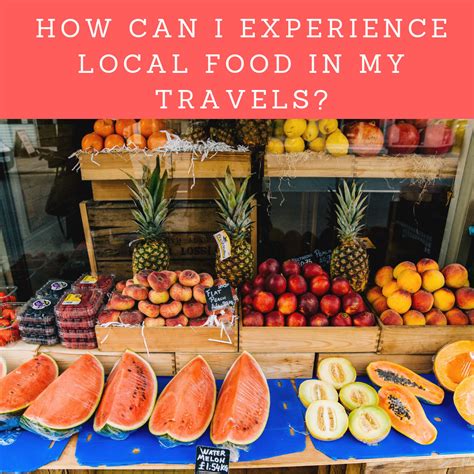
Pro tips for shooting drool-worthy street food visuals in tricky adventure lighting?
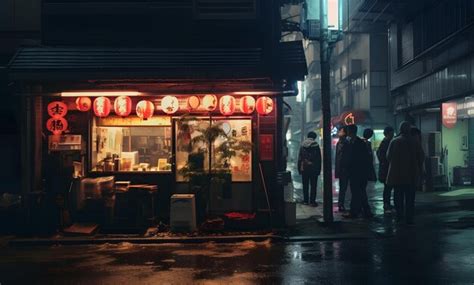
Street food is a feast for the senses, a vibrant tapestry of culture, flavor, and human connection. But translating that dynamic experience into drool-worthy photographs, especially when faced with the unpredictable and often challenging ‘adventure lighting’ of bustling markets or dimly lit alleyways, can be a true test of a photographer’s skill. Fear not, fellow food adventurers! With a few pro tips, you can elevate your street food shots from snapshots to stunning visual stories that make viewers crave a bite.
Embrace the Light, Whatever Its Mood
The first rule of adventure lighting is to adapt. Forget controlled studios; here, the light is your co-conspirator, not your slave. Before you even lift your camera, take a moment to observe. Is the sun harsh and direct? Is it soft and diffused under an awning? Are you in deep shadow with pockets of strong light? Understanding the existing light is paramount.
Harsh overhead sun, often a nightmare for portraits, can create dramatic highlights and shadows on textured dishes. Deep shade, while offering even light, can be challenging for exposure and white balance. Learning to ‘read’ the light will inform your positioning, camera settings, and even your choice of subject.
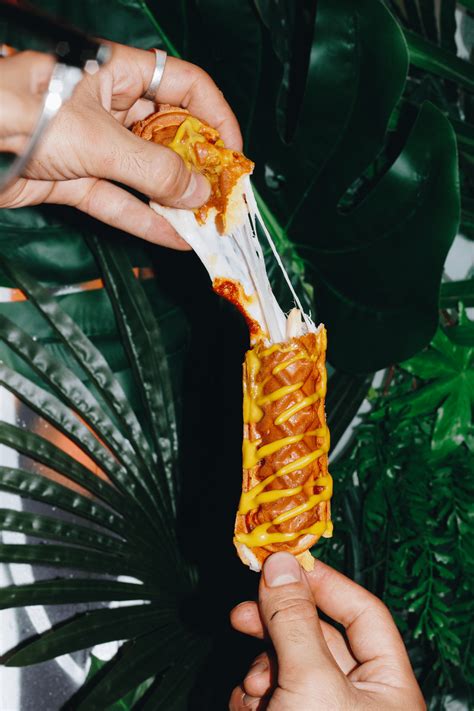
Mastering Tricky Natural Light Scenarios
Harsh Overhead Sun
When the sun is high and unforgiving, avoid direct, flat light. Instead, look for opportunities where the food is partially shaded or positioned at an angle where the light skims across it, highlighting texture. A nearby wall or even your own body can act as a natural diffuser or reflector. Sometimes, the stark contrast can add a gritty, authentic feel, so don’t always shy away, but use it intentionally.
Deep Shade & Low Light
This is where your camera’s capabilities and your technique come into play. If shooting in deep shade or low light, open up your aperture (lower f-stop number) to let in more light, increase your ISO (be mindful of noise), and if possible, use a slower shutter speed (stabilizing your camera with a mini-tripod or by leaning against something can help). Focus on areas with subtle light, perhaps from a distant window or a vendor’s lantern, and use it as your key light source.
Mixed Lighting
Bustling markets often present a cacophony of light sources – daylight mixed with fluorescent bulbs, incandescent lamps, and even smartphone flashes. The key here is to pick your dominant light source and set your white balance accordingly, or shoot in RAW to adjust it later. Often, focusing on the natural light and letting the artificial lights serve as background ambience or highlights works best.
Essential Gear & Simple Aids
You don’t need a full studio setup, but a few small, portable items can make a world of difference. A small, collapsible reflector (silver for brightness, white for fill) can bounce light into shadowed areas. A diffuser disc can soften harsh sunlight. If you don’t have these, improvise! A white napkin can act as a reflector, and holding a piece of translucent paper over your flash (if you must use it) can diffuse it.
For low-light situations, a compact tripod or monopod can be invaluable, allowing for longer exposures without camera shake. If shooting with a phone, consider a small gimbal for stabilization. Also, a fast prime lens (e.g., 50mm f/1.8 for DSLRs/mirrorless) can be a game-changer for its ability to gather light and create beautiful background blur (bokeh).
Composition for Irresistible Appeal
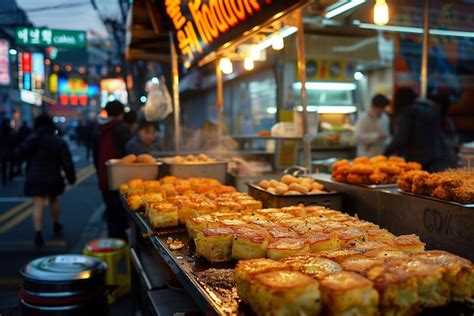
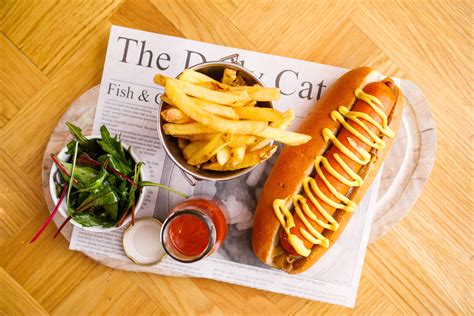
Beyond the technicals, composition is what truly makes a dish look drool-worthy. Use the rule of thirds, leading lines (e.g., the edge of a counter or a row of skewers), and interesting angles. Get close to highlight textures and details – the glistening sauce, the crispy edges, the fresh herbs. Don’t be afraid to shoot from directly above (flat lay) for certain dishes, or at eye-level to convey the authenticity of the experience.
Showcase the context without cluttering the frame. A vendor’s hand, a splash of local color, or the steam rising from a hot dish can add narrative and make the food feel more alive. Focus on what makes the dish unique and appealing, isolating it from distracting backgrounds where possible, especially in busy environments.
Subtle Post-Processing for Punch
Even the best shots can benefit from a little touch-up. Basic adjustments like cropping, correcting exposure, boosting contrast, and fine-tuning white balance can dramatically enhance your images. Don’t overdo it – the goal is to make the food look as appealing as it did in person, not artificial. Tools like Adobe Lightroom Mobile or Snapseed are powerful and easy to use on the go.
Pay attention to colors; sometimes adventure lighting can mute or distort them. A slight saturation boost or selective color adjustment can bring out the vibrancy of fresh ingredients. Sharpening can also help emphasize the textures you worked so hard to capture.
Respectful & Ethical Shooting
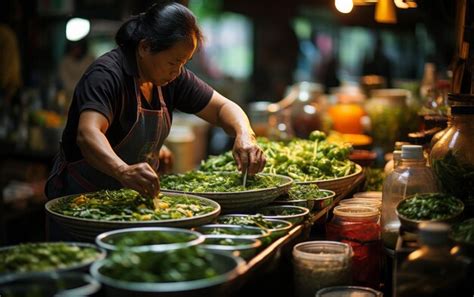
Remember that street food is often someone’s livelihood and cultural heritage. Always be respectful. Ask permission when possible, especially if you’re taking close-ups of people or their stalls. Be quick, don’t obstruct business, and consider purchasing something from the vendor you’re photographing as a gesture of goodwill and thanks. Your genuine interest and respect will often be met with warmth and cooperation, enhancing your experience and your photos.
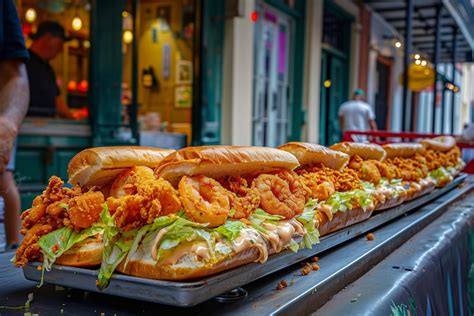
Shooting street food in tricky adventure lighting is a fantastic way to hone your skills and capture truly authentic moments. By understanding light, using simple aids, composing thoughtfully, and processing subtly, you’ll be well on your way to creating a portfolio of drool-worthy images that tell the delicious story of your culinary adventures.