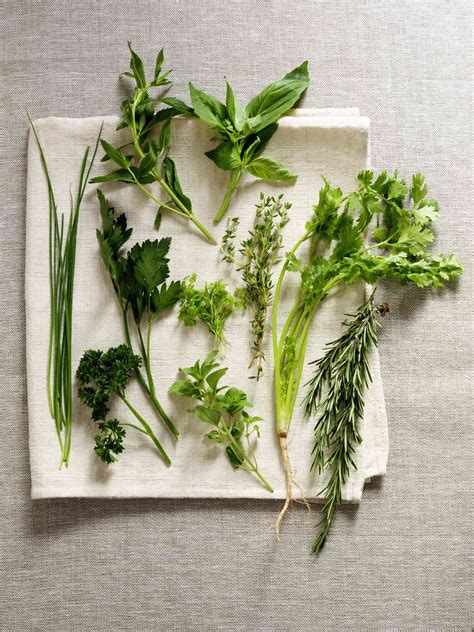
Pro tips for storing delicate greens & herbs to stay market-fresh for visual dishes?
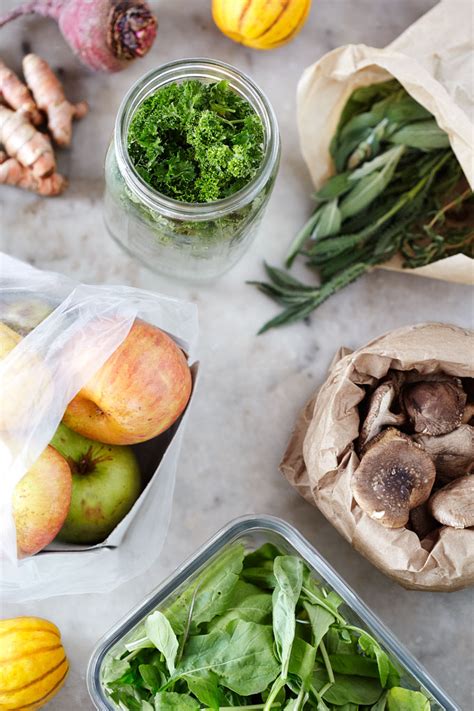
Why Proper Storage is Key for Culinary Aesthetics
For any chef or home cook passionate about presentation, the visual appeal of a dish is just as important as its taste. Delicate greens and fresh herbs, with their vibrant colors and crisp textures, are often the finishing touches that elevate a meal from good to gourmet. However, their ephemeral nature means they can quickly wilt, yellow, or lose their vibrancy, diminishing the overall aesthetic. Mastering their storage is crucial for maintaining that market-fresh look and ensuring your visual dishes always impress.

The Fundamentals: Understanding Their Needs
The primary enemies of delicate produce are improper moisture levels and excessive air exposure. Too much moisture encourages rot, while too little leads to wilting. Air, especially oxygen, accelerates oxidation and degradation. The goal is to create an environment that balances hydration without suffocating the plant.
Method 1: The Paper Towel Embrace for Leafy Greens
This technique is perfect for salad greens, spinach, kale, Swiss chard, and even lettuce heads. The paper towel absorbs excess moisture while still allowing the greens to retain essential hydration.
- Wash and Dry (Carefully): If your greens aren’t pre-washed, rinse them gently under cool water. The most critical step here is drying. Use a salad spinner thoroughly, or lay them out on clean towels to air dry completely. Any residual water will accelerate spoilage.
- Wrap and Roll: Lay out a few sheets of paper towels. Place your dried greens on top, then roll them up snugly but not tightly.
- Bag It: Place the wrapped greens into a large, sealable plastic bag or an airtight container. Don’t pack them too tightly.
- Refrigerate: Store in the crisper drawer of your refrigerator. The paper towel will wick away moisture as needed, keeping greens crisp for up to a week or even longer.
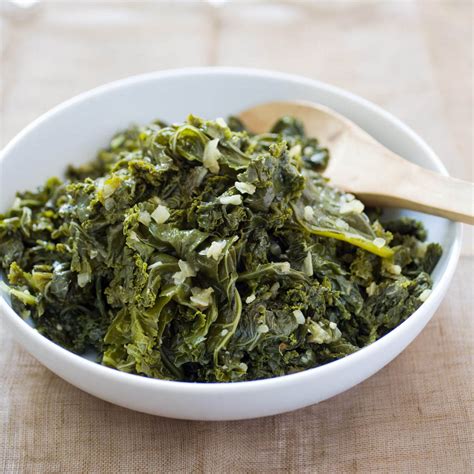
Method 2: The Bouquet Technique for Stemmed Herbs
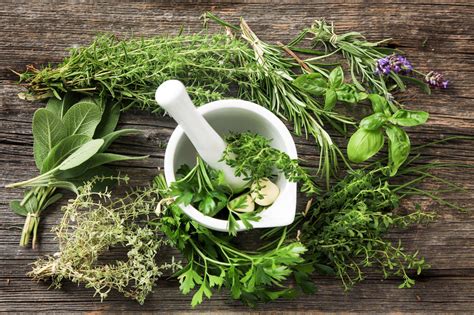
Treating stemmed herbs like parsley, cilantro, mint, and dill like a fresh bouquet extends their life and keeps them vibrant.
- Trim Stems: Trim about half an inch off the bottom of the stems, just as you would with cut flowers.
- Water Bath: Place the trimmed stems into a small glass or jar with about an inch of water.
- Cover and Chill (Mostly): For most herbs (parsley, cilantro, dill, mint), loosely cover the top with a plastic bag (a produce bag works well) and place it in the refrigerator. The bag creates a mini-greenhouse effect, locking in humidity.
- Basil Exception: Basil hates the cold. Store it using the same water bath method, but leave it on the counter at room temperature, away from direct sunlight. Do NOT refrigerate basil unless you want black, wilted leaves.
Method 3: Airtight Containers for Delicate Varieties & Microgreens
For very delicate items like arugula, baby spinach, or microgreens, pre-washed and store-bought in plastic containers, the key is minimal disruption.
- Original Packaging: If the packaging is sturdy and airtight, it’s often best to leave them as is. Ensure no moisture build-up inside.
- Add Paper Towel: If storing in a new airtight container, place a dry paper towel at the bottom to absorb any condensation.
- Layer Gently: Gently place your greens on top of the paper towel.
- Seal and Refrigerate: Seal the container tightly and store in the crisper drawer. This method minimizes exposure to air and maintains a stable humidity level.

Pro Tips for Long-Term Visual Freshness
- Avoid Washing Until Ready: If you don’t plan to use greens immediately, avoid washing them until you’re ready to eat. Moisture is the enemy of longevity.
- Don’t Crowd: Ensure there’s enough space in your storage containers. Overcrowding can crush delicate leaves and inhibit air circulation, leading to faster spoilage.
- Check Regularly: Periodically check your stored greens and herbs. Remove any yellowing or slimy leaves immediately to prevent rot from spreading.
- Revive Wilted Greens: Slightly wilted greens can often be revived by submerging them in a bowl of ice water for 15-30 minutes. This rehydrates the cells, bringing back some crispness for last-minute plating.

The Reward: Visually Stunning Dishes
By implementing these professional storage techniques, you’ll significantly extend the life and vibrant appearance of your delicate greens and herbs. No more sad, wilted garnishes or discolored salad bases. Instead, you’ll have a constant supply of market-fresh ingredients ready to add that crucial touch of visual brilliance and fresh flavor to every dish you create. Your plates will not only taste incredible but look like they just stepped out of a high-end restaurant kitchen.