Pro tips for storing fresh herbs to maximize flavor & shelf life?
Introduction: The Secret to Long-Lasting Freshness
Fresh herbs are the soul of many dishes, adding vibrant flavor and aroma that dried alternatives simply can’t match. However, their delicate nature often means they wilt and lose their potency quickly if not stored correctly. Don’t let your culinary creations suffer from sad, limp herbs! With a few professional tips, you can significantly extend the life of your fresh herbs, ensuring maximum flavor and minimal waste.

Understanding Herb Types: Tender vs. Hardy
The first step to successful herb storage is recognizing whether you’re dealing with a tender or a hardy herb, as their ideal storage methods differ.
Tender Herbs: The Water Bath Method
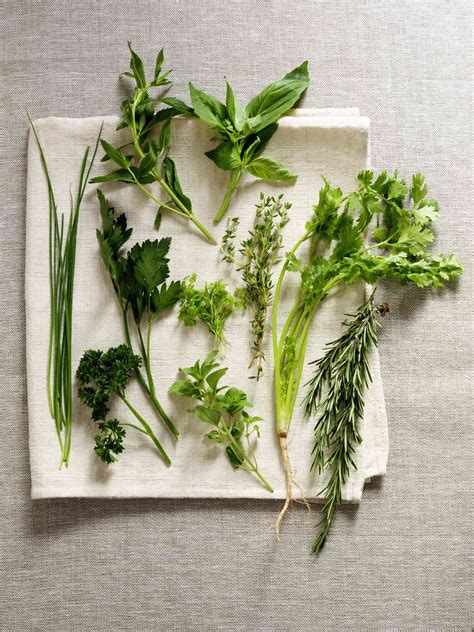
Tender herbs like parsley, cilantro, basil, mint, dill, and tarragon have soft stems and delicate leaves. They thrive on moisture, much like cut flowers. The best way to store them is often by treating them similarly:
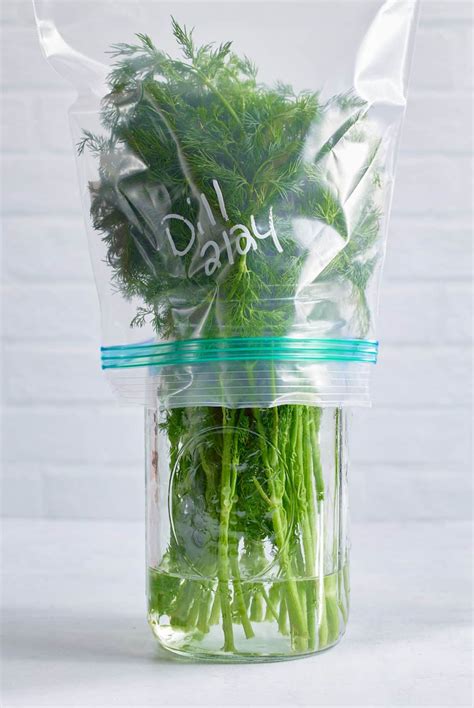
- Trim and Hydrate: Trim about half an inch off the bottoms of the stems. Remove any bruised or yellowing leaves.
- Water Jar: Place the trimmed stems upright in a glass or jar with about an inch of water at the bottom.
- Cover & Chill (Mostly): Loosely cover the herbs and jar with a plastic bag (like a produce bag) to create a humid environment. For most tender herbs (parsley, cilantro, dill, mint), store this setup in the refrigerator.
Basil: A Special Case
Basil is the exception among tender herbs. It despises cold temperatures, which can cause its leaves to blacken. Store basil using the water jar method, but keep it on your kitchen counter at room temperature, away from direct sunlight. Change the water daily.

Hardy Herbs: Dry and Refrigerated
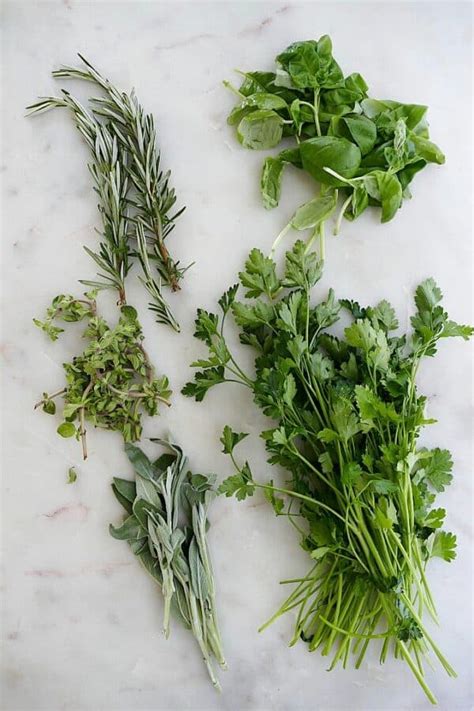
Hardy herbs, such as rosemary, thyme, oregano, sage, and chives, have woodier stems and tougher leaves. They don’t need the same level of moisture as their tender counterparts and can actually spoil faster if kept too wet.
- Wash & Dry Thoroughly: Gently wash the herbs if necessary, then dry them meticulously. Excess moisture is the enemy of hardy herbs. A salad spinner works wonders, or you can lay them out on paper towels to air dry completely.
- Wrap & Seal: Wrap the completely dry herbs loosely in a slightly damp (but not wet) paper towel. Then, place this bundle inside an airtight container or a resealable plastic bag.
- Refrigerate: Store the container or bag in the crisper drawer of your refrigerator.

Beyond Refrigeration: Freezing for Future Use
For herbs you plan to use in cooked dishes, freezing is an excellent way to preserve their flavor for months. While they won’t retain their crisp texture, their essence will be perfect for soups, stews, sauces, and marinades.
- Chopped in Ice Trays: Finely chop your herbs (tender or hardy). Pack them into ice cube trays.
- Oil or Water: Pour a neutral oil (like olive oil) or water over the herbs until they are covered.
- Freeze: Freeze until solid, then pop out the herb cubes and transfer them to a freezer-safe bag. Label with the herb type and date. When cooking, simply drop a cube or two into your hot pan or pot.
Drying Herbs: A Traditional Preservation Method
Drying is ideal for hardy herbs and some tender varieties (like oregano or thyme) if you prefer dried herbs for cooking. Air drying is simple:
- Bundle: Tie small bundles of herbs together with kitchen twine.
- Hang: Hang them upside down in a warm, dry, well-ventilated area away from direct sunlight.
- Store: Once completely dry and brittle (this can take 1-3 weeks), strip the leaves from the stems and store them whole or crumbled in airtight jars in a cool, dark pantry.
General Tips for Success
- Inspect First: Always inspect herbs for signs of spoilage before storing. Remove any slimy or discolored leaves.
- Avoid Washing Too Early: Only wash herbs just before use or just before storing, as directed by the method above. Excessive moisture encourages spoilage.
- Check Periodically: Even with the best methods, check your herbs every few days and remove any pieces that are starting to turn.
Conclusion: Elevate Your Culinary Game
By implementing these pro tips, you’ll find yourself enjoying fresher, more flavorful herbs for longer periods. No more tossing wilted parsley or limp cilantro! Proper storage not only saves money but also ensures that your dishes are always bursting with the vibrant taste of fresh herbs, making every meal a little more extraordinary.