
Pro tips for storing produce to reduce waste & keep ingredients photo-ready?
Mastering Produce Storage for Peak Freshness and Visual Appeal
Ever found yourself tossing wilted greens or mushy berries, lamenting the wasted food and money? Or perhaps you’re a home chef who wants every ingredient to look as vibrant as it tastes, ready for its close-up. Proper produce storage isn’t just about extending shelf life; it’s about preserving nutrients, flavor, and that irresistible ‘just-picked’ appearance. By implementing a few pro tips, you can drastically reduce food waste, save money, and ensure your ingredients are always photo-ready.
Understand the Basics: Temperature, Humidity, and Ethylene
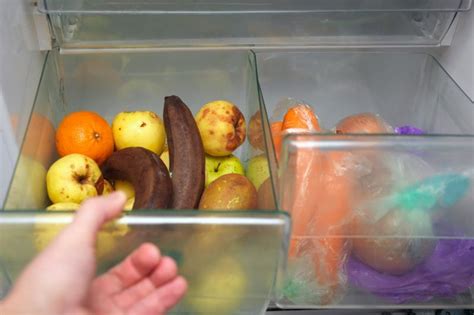
Before diving into specific items, grasp these fundamental principles. Most produce thrives in cool, humid environments, but there are crucial exceptions. The refrigerator crisper drawers are your friends, offering adjustable humidity. One drawer (often labeled ‘high humidity’) is ideal for leafy greens and most vegetables. The other (often ‘low humidity’) is better for fruits that need less moisture, like apples or pears. Crucially, understand ethylene: some fruits (apples, bananas, avocados, tomatoes) release ethylene gas, which ripens other produce faster. Keep ethylene producers separate from ethylene-sensitive items (like leafy greens, broccoli, carrots) to prevent premature spoilage.
Leafy Greens and Herbs: The Moisture Management Challenge
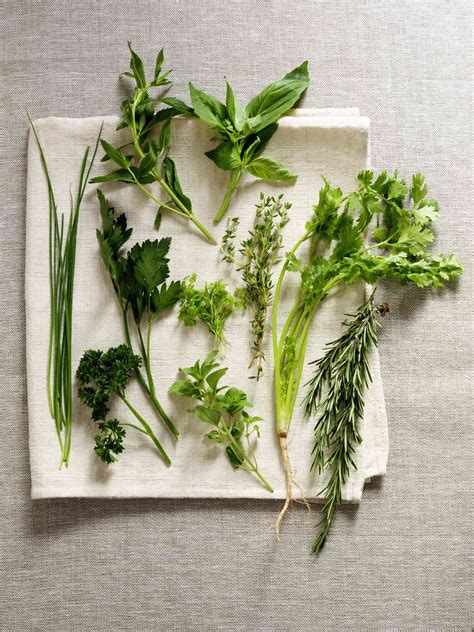
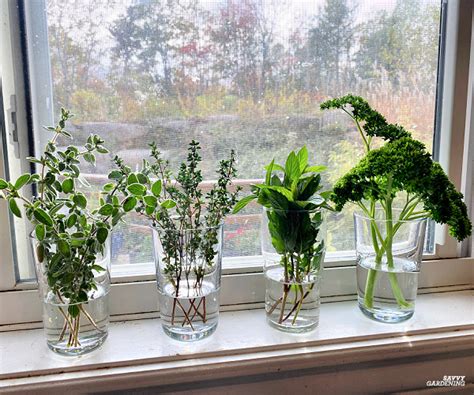
Leafy greens like lettuce, spinach, and kale wilt quickly if not stored correctly. The key is moisture without sogginess. Wash greens only right before use. For storage, pat them dry, wrap them in a paper towel, and place them in an airtight container or a sealed bag in the high-humidity crisper. This creates a micro-environment that keeps them crisp for over a week. For fresh herbs, treat them like a bouquet: snip the bottoms of the stems, place them in a small glass of water, cover loosely with a plastic bag, and refrigerate. Alternatively, wrap damp herbs in a paper towel and store in a zip-top bag.
Berries and Delicate Fruits: Handle with Care
Berries are notoriously fragile. Avoid washing them until you’re ready to eat them, as moisture encourages mold growth. To prolong their life, spread unwashed berries in a single layer on a paper towel-lined plate or shallow container. Alternatively, a quick vinegar bath (1 part white vinegar to 3 parts water), followed by thorough rinsing and drying, can kill mold spores and extend shelf life significantly. Ensure they are completely dry before storing them in an open or loosely covered container in the refrigerator.
Root Vegetables and Alliums: Cool, Dark, and Dry
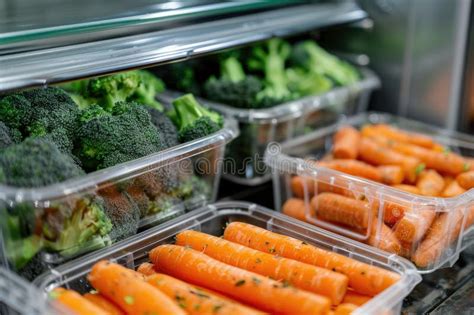
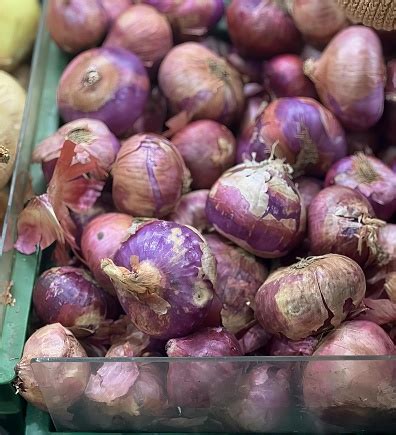
Potatoes, onions, garlic, and squash prefer cool, dark, and well-ventilated spaces, away from the refrigerator. Humidity can cause sprouting or mold. Store them in mesh bags, baskets, or open bowls in a pantry or cupboard. Never store potatoes and onions together; onions emit gases that can cause potatoes to sprout faster. If your root vegetables (like carrots, beets, radishes) come with greens attached, remove the greens before storing. The greens draw moisture from the roots, making them limp. Store the root vegetables unwashed in a sealed bag in the refrigerator’s high-humidity crisper, and use the greens promptly.
Countertop Dwellers and Fridge-Friendly Fruits
Some fruits continue to ripen at room temperature and shouldn’t be refrigerated immediately. Tomatoes, for instance, lose their flavor and texture in the cold. Store them stem-side down on the counter. Avocados and bananas also ripen on the counter; once ripe, avocados can be moved to the fridge to slow further ripening, and bananas can be refrigerated (their skins will blacken, but the flesh will remain fine for a few days). Apples, grapes, and citrus fruits, however, are best kept in the refrigerator for maximum longevity and crispness. Keep apples separate from other produce due to their ethylene production.

The “Photo-Ready” Secret: Regular Inspection and Smart Containers
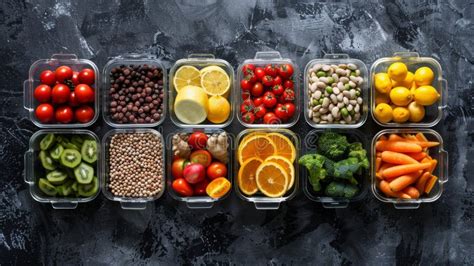
To ensure your produce is always ready for its culinary debut, make a habit of regular inspection. Remove any spoiled items immediately to prevent contamination. Invest in good quality airtight containers, breathable produce bags, and even glass jars for herbs. These not only extend shelf life but also keep your refrigerator organized and appealing. Trimming off any slightly wilted edges from greens or cutting out minor blemishes can quickly refresh an ingredient, making it look vibrant and ready for plating.
Conclusion
Storing produce effectively is an art form that pays dividends in reduced waste, financial savings, and superior culinary results. By understanding the unique needs of different fruits and vegetables and applying these professional tips, you can keep your ingredients fresher, longer, and consistently camera-ready. Embrace these practices, and transform your kitchen into a haven of vibrant, well-preserved produce.