Pro tips for stunning plate presentation to elevate your gourmet dishes?

The Art of the First Impression: Why Plating Matters
In the world of gourmet dining, taste is paramount, but the visual appeal of a dish is often the first thing that captures a diner’s attention. Stunning plate presentation transforms a meal from mere sustenance into a true culinary experience, reflecting the chef’s skill, creativity, and attention to detail. Elevating your plating can heighten anticipation, enhance the perceived value of your food, and ultimately make your home-cooked or professional dishes unforgettable. It’s about telling a story with food, meticulously arranged to engage all the senses.
Whether you’re an aspiring home cook or a seasoned chef, mastering plate presentation is a valuable skill that sets your dishes apart. Let’s delve into some professional tips to help you create edible works of art.

Choose Your Canvas Wisely: The Plate Itself
The plate is your canvas, and its characteristics significantly influence the final presentation. Consider the shape, size, and color of your plates. White plates are often preferred as they provide a neutral background that makes the colors of the food pop. However, black or colored plates can also be striking for certain dishes, provided they don’t overpower or clash with the food.
- Shape & Size: Round plates are classic, but square, rectangular, or even irregular shapes can add a modern touch. Ensure the plate is large enough to accommodate all elements without overcrowding, allowing for sufficient negative space – the empty areas around the food – which is crucial for a clean, sophisticated look.
- Material: Porcelain and ceramic are common, offering a smooth finish. Slate or wooden boards can provide a rustic or natural feel for appropriate dishes.
Mastering Arrangement: Balance and Focal Point
Thoughtful arrangement is at the heart of stunning plate presentation. Avoid simply piling ingredients in the center. Instead, think about balance, flow, and creating a focal point.
- The Rule of Thirds: Similar to photography, imagine your plate divided into nine equal sections by two horizontal and two vertical lines. Place key elements at the intersections or along these lines to create a visually appealing, dynamic composition.
- Creating a Focal Point: Every dish should have a star. Position your main protein or most vibrant ingredient as the focal point, then arrange supporting elements around it to draw the eye towards it.
- Negative Space: Don’t underestimate the power of empty space. It allows the elements on the plate to breathe and stand out, preventing the dish from looking cluttered.
Color, Contrast, and Texture: Engaging the Senses
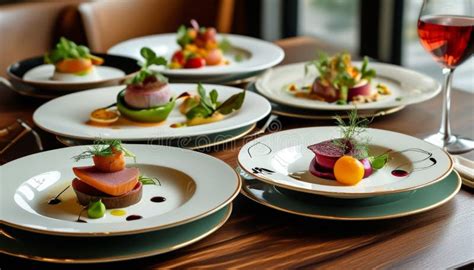
A visually appealing dish leverages a variety of colors, contrasts, and textures. This not only makes the plate look beautiful but also hints at the exciting flavors and mouthfeel to come.
- Color: Aim for a diverse palette. Bright, fresh colors from vegetables, herbs, and sauces instantly elevate a dish. Think about complementary colors (e.g., green parsley on red meat) or harmonious shades.
- Contrast: Create visual interest through contrast in color (light against dark), shape (round versus angular), and size (large elements alongside small garnishes).
- Texture: Incorporate different textures – crispy, creamy, crunchy, smooth – to add dimension and make the dish more intriguing. A delicate mousse next to a crisp tuile, or tender meat with crunchy vegetables, offers a delightful interplay.

Height and Dimension: Building Up Your Dish
Flat dishes can look uninspired. Adding height and dimension brings dynamism and excitement to your presentation. Think vertically when plating.
- Layering: Stack ingredients carefully, creating visual layers. For example, a bed of pureed vegetables can support a piece of protein, which in turn can be topped with a delicate garnish.
- Piping & Scooping: Use ring molds to shape starches or vegetables into neat cylinders, or quenelles for elegant scoops of purées or sorbets.
- Garnishes: A well-placed herb sprig, a thin slice of radish, or an edible flower can add instant height and a delicate touch.
The Finishing Touches: Sauces and Garnishes
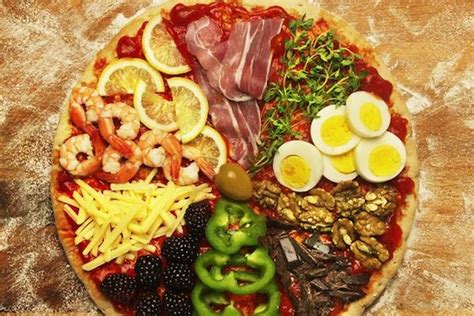
Sauces and garnishes are the jewelry of your dish, providing the final flourish that ties everything together and adds flavor.
- Saucing Techniques: Drizzle sauces artistically using a squeeze bottle, create swishes with a spoon, or pool them elegantly under or beside the main component. Ensure sauces are a consistent texture and aren’t too watery or thick.
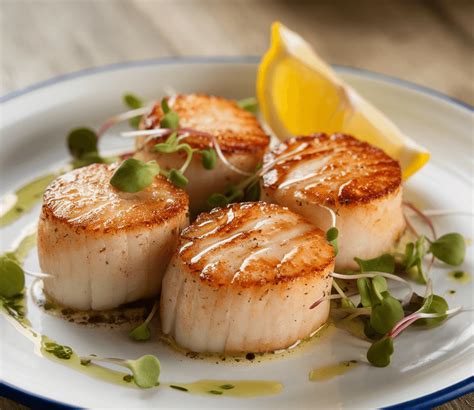
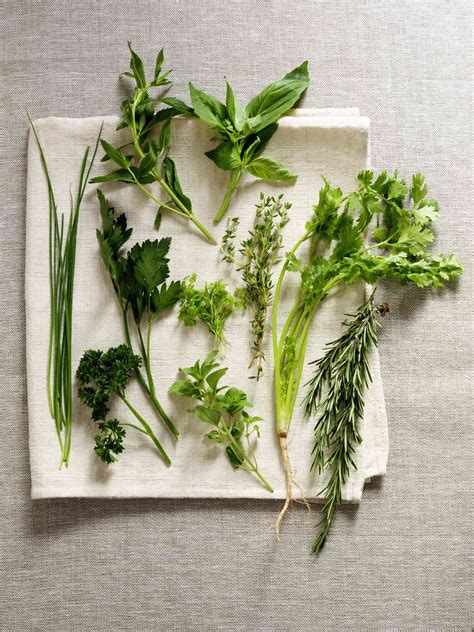
- Garnishes: Choose garnishes that are edible, fresh, and relevant to the dish’s flavors. A tiny sprig of fresh herbs, a sprinkle of spices, toasted nuts, microgreens, or a carefully placed edible flower can elevate the presentation significantly. Less is often more; avoid over-garnishing.
Conclusion: Practice Makes Perfect
Stunning plate presentation is an art that takes practice, patience, and a keen eye for aesthetics. Don’t be afraid to experiment with different arrangements, colors, and textures. Start with simple dishes and gradually work your way up to more complex compositions. Observe how professional chefs plate their dishes and draw inspiration from food photography. With these pro tips and a little creativity, you’ll soon be transforming your gourmet dishes into visually spectacular culinary masterpieces that impress and delight every diner.