Pro tips for vibrant, perfectly roasted vegetables?
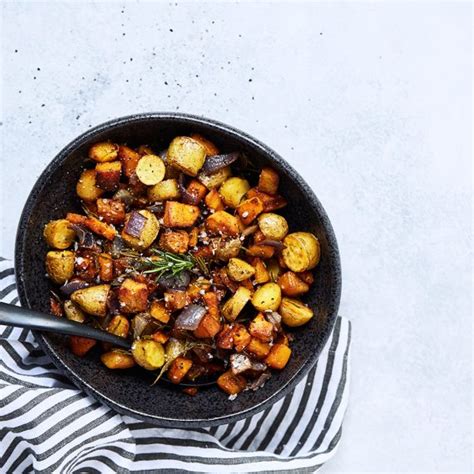
Elevate Your Roasting Game: From Bland to Brilliant
Roasted vegetables are a staple for a reason: they’re delicious, versatile, and relatively simple to make. Yet, many home cooks struggle to achieve that coveted tender-crisp texture and vibrant color. Often, they end up soggy, burnt, or just plain bland. But fear not! With a few professional tricks up your sleeve, you can transform your everyday veggies into a show-stopping side dish that’s bursting with flavor and perfectly caramelized edges.
1. Start with the Freshest, Best Quality Produce
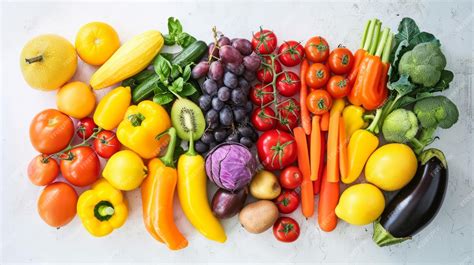
The foundation of any great dish is its ingredients. For roasted vegetables, this means choosing vibrant, firm, and in-season produce. Limp, old vegetables simply won’t yield the same fantastic results. Consider a variety of colors and textures – carrots, bell peppers, broccoli, Brussels sprouts, sweet potatoes, and onions all roast beautifully together or individually.
2. Uniform Cuts for Even Cooking
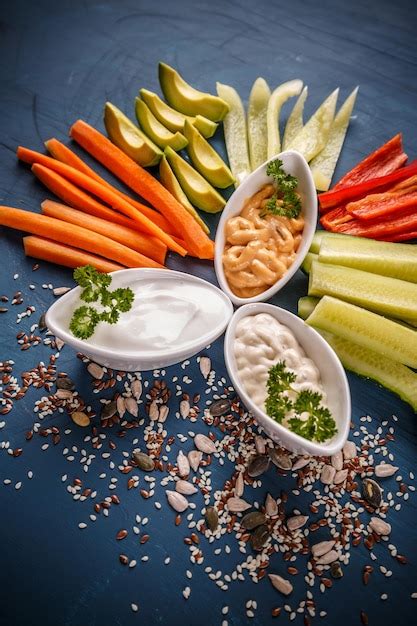
This is a crucial step often overlooked. Vegetables cook at different rates, so cutting them into roughly uniform pieces is essential for even roasting. If you’re mixing different types of vegetables, consider their density. Harder vegetables like potatoes and carrots might need to be cut smaller than softer ones like bell peppers or zucchini, or given a head start in the oven.
3. Don’t Drown Them, But Don’t Skimp on the Oil
Oil is key to achieving that desirable golden-brown exterior. It helps conduct heat, prevent sticking, and adds flavor. Opt for high smoke point oils like olive oil, avocado oil, or grapeseed oil. The goal is to lightly coat every piece, not to create a greasy puddle. Too little oil and they’ll stick and burn; too much and they’ll steam rather than roast. A good rule of thumb is about 1-2 tablespoons per pound of vegetables, adjusting for surface area.
4. Season Generously and Smartly
Beyond salt and freshly ground black pepper, don’t be afraid to experiment with herbs and spices. Dried herbs like oregano, thyme, and rosemary work wonderfully, as do garlic powder, onion powder, paprika, and cumin. Add them before roasting to allow their flavors to meld. For a zingy finish, a squeeze of lemon juice or a sprinkle of fresh herbs can be added after roasting.

5. Give Your Veggies Some Breathing Room
One of the most common mistakes is overcrowding the baking sheet. When vegetables are packed too tightly, they release moisture and steam instead of caramelizing. This leads to soggy, lackluster results. Use two baking sheets if necessary, ensuring there’s plenty of space around each piece for air to circulate and for the moisture to evaporate. This ensures proper browning and crisp edges.
6. Crank Up the Heat!
For true roasting, you need high heat. Temperatures between 400°F (200°C) and 425°F (220°C) are ideal. High heat promotes caramelization (Maillard reaction), creating those delicious browned edges and sweet, tender interiors. Preheat your oven and the baking sheet for at least 10-15 minutes before adding the vegetables. This initial blast of heat helps achieve an immediate sear.
7. Flip and Rotate for Even Perfection
While some vegetables might cook perfectly without intervention, giving them a good flip halfway through roasting ensures even browning on all sides. Use a sturdy spatula to gently turn the vegetables. You can also rotate the baking sheet in the oven for more consistent heat distribution, especially if your oven has hot spots.
8. Know When They’re Done (Don’t Overcook!)
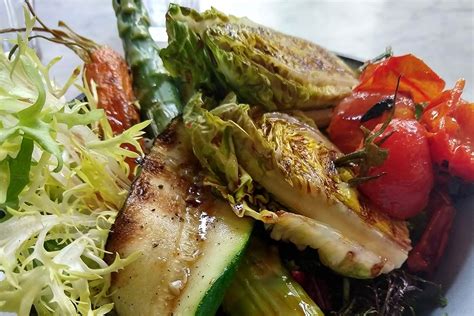
Perfectly roasted vegetables should be tender when pierced with a fork but still have a slight bite, with beautifully caramelized edges. The cooking time will vary depending on the vegetable and its size. Keep an eye on them, especially towards the end, as the difference between perfectly roasted and overcooked can be just a few minutes. Root vegetables take longer than softer greens.
9. Finish with Flair
Once your vegetables are out of the oven, consider adding a few finishing touches. A drizzle of high-quality balsamic glaze, a sprinkle of fresh parsley or cilantro, a squeeze of fresh lemon juice, a grating of Parmesan cheese, or a dash of red pepper flakes can elevate the flavors and presentation even further. Serve immediately for the best texture and taste.
Conclusion: Your Path to Roasting Mastery
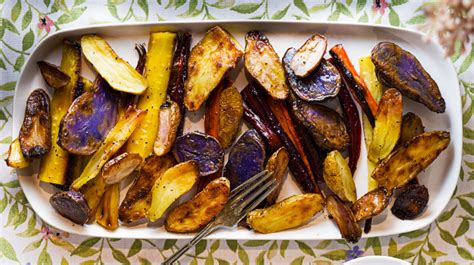
Achieving vibrant, perfectly roasted vegetables is less about complex techniques and more about understanding a few fundamental principles. By paying attention to prep, seasoning, oven temperature, and avoiding overcrowding, you’ll consistently create dishes that are not only healthy and delicious but also visually appealing. Experiment with different vegetables and seasonings, and enjoy the rich flavors that only proper roasting can bring!