Pro tips for vibrant veggie roasting without overcooking?

Unlock the Secret to Perfectly Roasted Vegetables
Roasted vegetables are a staple in many healthy diets, offering a delightful combination of caramelized sweetness, tender texture, and vibrant color. However, achieving that perfect balance can sometimes feel like a culinary tightrope walk – too long, and they’re mushy or burnt; too short, and they’re raw. Fear not, home cooks! With these professional tips, you’ll transform your everyday veggies into show-stopping sides that are consistently vibrant, perfectly cooked, and bursting with flavor.

The Foundation: Proper Prep and Selection
1. Choose the Right Veggies
While almost any vegetable can be roasted, some are better suited to similar cooking times. Group root vegetables (carrots, potatoes, sweet potatoes) together, and quick-cooking veggies (asparagus, bell peppers, zucchini) together, or be prepared to add them to the pan at different stages. Fresher, firmer vegetables will always yield better results.
2. Uniformity is Key
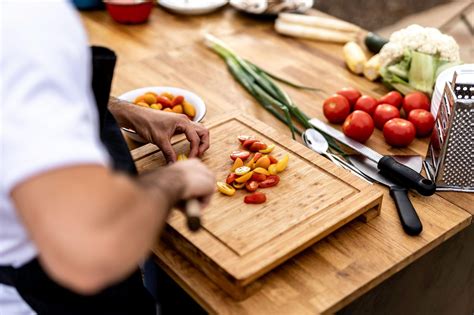
For even cooking, cut your vegetables into pieces of roughly the same size and thickness. Inconsistent sizing leads to some pieces being perfectly done while others are still hard or already charred. Aim for bite-sized pieces that have enough surface area to brown beautifully.
3. Dry, Dry, Dry!
This is perhaps one of the most crucial, yet often overlooked, steps. Moisture on the surface of your vegetables will steam them instead of roasting them, preventing that desirable caramelization and crisp exterior. After washing, thoroughly pat your vegetables dry with paper towels or use a salad spinner. This simple act makes a huge difference in texture and flavor.
The Art of Seasoning and Oiling
4. Don’t Skimp on the Oil (But Don’t Drown Them)
A good quality oil (like olive oil, avocado oil, or grapeseed oil) is essential for conduction, flavor, and preventing sticking. Drizzle just enough to lightly coat all surfaces of the vegetables. Too little, and they’ll burn; too much, and they’ll be greasy. A general rule of thumb is 1-2 tablespoons per pound of vegetables.
5. Season Generously and Smartly
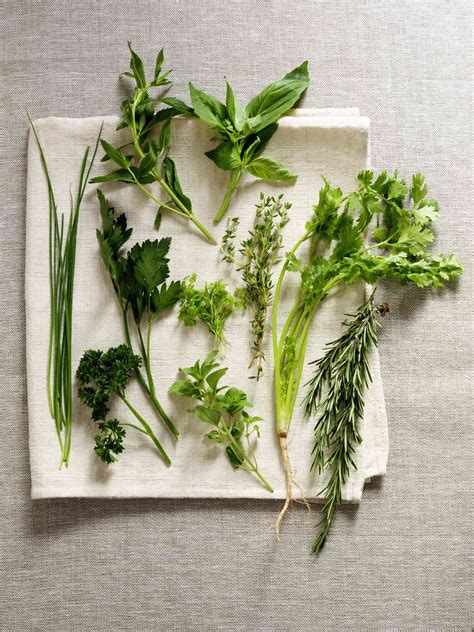
Salt and pepper are non-negotiable. Add them before roasting to help draw out moisture and build flavor. Beyond that, get creative! Garlic powder, onion powder, paprika, dried herbs (rosemary, thyme, oregano), or even a pinch of chili flakes can elevate your dish. Toss everything together in a large bowl to ensure even coating.
Mastering the Roasting Process
6. High Heat is Your Friend
For optimal caramelization and browning, most vegetables roast best at temperatures between 400°F (200°C) and 425°F (220°C). This high heat quickly crisps the exterior while cooking the interior to tenderness.
7. Avoid Overcrowding the Pan
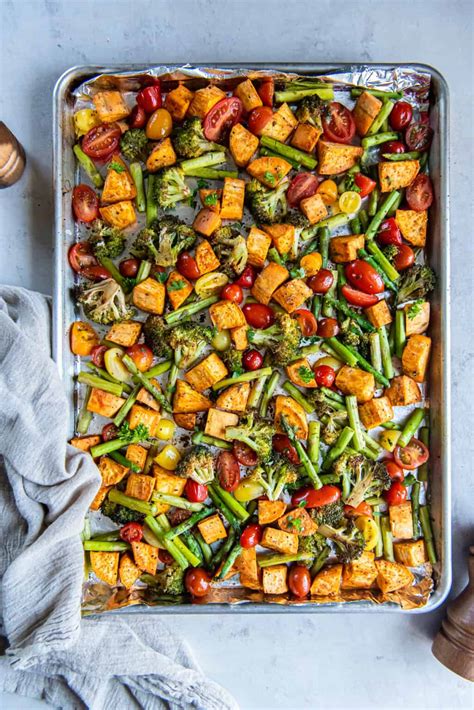
This is another common pitfall. If you pile too many vegetables onto a single baking sheet, they will steam rather than roast. Give them space! Use two baking sheets if necessary, ensuring a single layer of vegetables with plenty of room around each piece. Air circulation is vital for browning.
8. Use the Right Baking Sheet
Darker, heavy-gauge baking sheets conduct heat better and promote browning. Line your sheets with parchment paper for easy cleanup and to prevent sticking, especially if your pans are older or prone to sticking.
9. Flip and Rotate
About halfway through the cooking time, give your vegetables a good stir or flip them with a spatula. This ensures even browning on all sides and consistent cooking. It also helps prevent one side from becoming overly dark while another remains pale.
Knowing When They’re Done and Finishing Touches
10. Trust Your Senses, Not Just the Timer
Roasting times are always estimates. Vegetables are done when they are tender when pierced with a fork, caramelized and slightly browned on the edges, and fragrant. Keep a close eye on them, especially towards the end of the cooking time, as they can go from perfectly roasted to burnt very quickly.
11. Consider a Finishing Flourish
Once out of the oven, a squeeze of fresh lemon juice can brighten flavors, a sprinkle of fresh herbs (parsley, cilantro, dill) adds freshness, or a drizzle of balsamic glaze can provide a lovely tang and shine. A dash of flaky sea salt just before serving is also a delightful touch.

Conclusion: Roasting Confidence Awaits
By implementing these pro tips, you’ll transform your roasted vegetables from an afterthought into the star of the plate. Focus on proper preparation, smart seasoning, and mindful roasting techniques, and you’ll consistently achieve tender-crisp, vibrantly colored veggies that are packed with flavor. Happy roasting!