Pro tips for visually appealing, zero-waste meal prep hacks?

The Art of Sustainable Meal Prep: A Feast for the Eyes and the Planet
Meal prepping is a cornerstone of a healthy, organized lifestyle, but what if you could make it not only efficient and delicious but also stunningly beautiful and completely waste-free? Combining aesthetic appeal with eco-conscious practices elevates your weekly routine, making healthy eating more enjoyable and sustainable. This guide will walk you through pro tips to transform your meal prep into a visually captivating, zero-waste endeavor.
Eating with Your Eyes First: The Power of Presentation
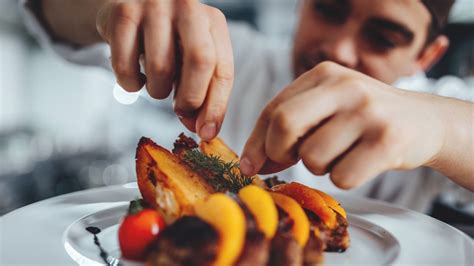
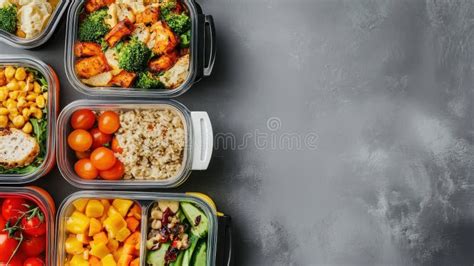
It’s a well-known fact that we eat with our eyes first. A drab, unappetizing meal, no matter how nutritious, can dampen your enthusiasm. Conversely, a vibrant, well-arranged meal can boost your motivation and enjoyment, making you more likely to stick to your healthy eating goals. Focusing on presentation involves thoughtful layering, contrasting colors, and varied textures that make each meal a mini-masterpiece.
Foundation for Zero Waste: Smart Shopping & Storage
The journey to zero-waste, visually appealing meal prep begins long before you even start cooking. It starts with how you shop and store your ingredients.
- Bulk Buying Smartly: Purchase staples like grains, nuts, and dried beans from bulk bins using your own reusable bags or containers. This significantly reduces packaging waste.
- Embrace Seasonal & Local: Buying seasonal produce often means less transportation, fewer preservatives, and fresher, more vibrant ingredients. Local farmers’ markets are perfect for this, often allowing you to bring your own produce bags.
- Utilize All Parts: From root to stem! Use broccoli stalks in slaws, carrot tops in pesto, and beet greens in stir-fries. This minimizes food waste and adds unique flavors and textures.
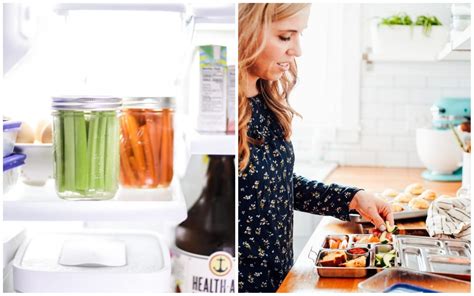
- Optimal Storage: Invest in high-quality, airtight glass containers for storage. These are not only eco-friendly but also allow you to easily see your colorful creations, preventing forgotten items. Store herbs in jars of water, leafy greens wrapped in damp cloths, and berries in breathable containers to extend their life.
Crafting Visually Stunning Meals
Now for the fun part: making your meals pop!
Color Contrast & Variety
Think like an artist. Combine ingredients with naturally contrasting colors. For example, a base of dark green spinach with bright red bell peppers, yellow corn, and purple cabbage creates a striking visual. Don’t shy away from adding a pop of color with pickled onions, cherry tomatoes, or edible flowers.
Texture Play
A meal that’s all one texture can be boring. Incorporate a mix of creamy (avocado, hummus), crunchy (nuts, seeds, raw veggies), soft (cooked grains, roasted sweet potatoes), and chewy (dried fruit, seared tofu). This not only excites the palate but also adds visual depth.
Thoughtful Layering & Arrangement
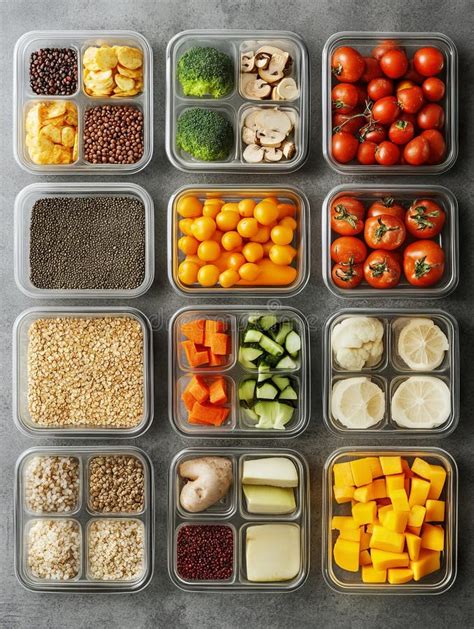
When packing, think about how the ingredients will sit together. Layer heavier, more robust items at the bottom (grains, proteins), followed by lighter, more delicate components (leafy greens, fresh herbs). Use silicone dividers in larger containers to keep wet and dry ingredients separate until serving, preventing sogginess and preserving individual ingredient appeal.
The Garnish Game
A simple garnish can elevate a dish from ordinary to extraordinary. A sprinkle of fresh chopped herbs (cilantro, parsley, dill), a squeeze of lemon, a dusting of sesame seeds, or a few chili flakes can add that final touch of vibrancy and freshness.
Essential Zero-Waste Kitchen Hacks
Beyond shopping, your kitchen practices play a crucial role in minimizing waste.
- Repurpose Scraps Creatively: Keep a freezer bag for vegetable scraps (onion peels, carrot ends, herb stems) to make nutritious homemade vegetable broth. Stale bread can become croutons or breadcrumbs. Leftover rice can be transformed into fried rice or a base for veggie burgers.
- Composting: For what truly can’t be eaten or repurposed, composting is your best friend. A small countertop compost bin or a backyard composter diverts food waste from landfills, turning it into nutrient-rich soil for your plants.
- Reusable Tools & Wraps: Ditch single-use plastic wrap and foil. Invest in beeswax wraps, silicone lids, or reusable silicone bags. Keep a collection of clean glass jars for sauces, dressings, and smaller snacks.

Smart Meal Prep Techniques for Sustainability
- Batch Cooking Basics: Cook large quantities of versatile base ingredients like quinoa, roasted vegetables, or a big pot of beans. These can be mixed and matched throughout the week to create diverse meals.
- Multi-Purpose Ingredients: Plan meals around ingredients that can serve multiple purposes. For instance, a batch of roasted sweet potatoes can be used in a salad, as a side dish, or blended into a soup.
- Freezing Effectively: Freeze portions of soups, stews, or cooked grains in reusable containers or silicone molds for future busy days. Label everything with contents and date to ensure nothing gets forgotten.
Conclusion: Nourish Yourself and the Planet
Combining visually appealing presentation with zero-waste principles transforms meal prep from a chore into a rewarding creative process. Not only will you enjoy more delicious and beautiful meals, but you’ll also significantly reduce your environmental footprint. Embrace these tips to create a sustainable, vibrant kitchen where every meal is a testament to mindful living.