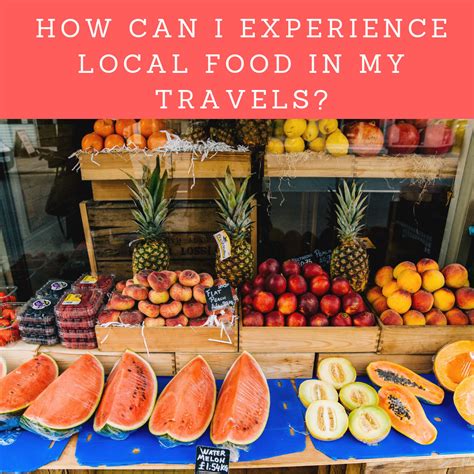
Pro tips for visually documenting authentic food adventures?

Beyond the Bite: Documenting Your Culinary Journey
Food adventures are a feast for all senses – the aroma of spices, the sizzle of a street vendor’s grill, the vibrant colors of fresh produce, and, of course, the incredible flavors. While tastebuds remember, visual documentation allows you to preserve these cherished memories, share your authentic experiences with the world, and inspire others to embark on their own gastronomic explorations. But how do you move beyond a simple snapshot to truly capture the essence of a food adventure? Here are some pro tips to elevate your visual storytelling.
![[100+] Food 4k Wallpapers | Wallpapers.com](/images/aHR0cHM6Ly90czEubW0uYmluZy5uZXQvdGg/aWQ9T0lQLk1NdE9GOXdXSmhvd0djVXdiOHI1WWdIYUVLJnBpZD0xNS4x.webp)
1. Embrace Natural Light and Observe Your Surroundings
The single most important ingredient for stunning food photography is good lighting. Always seek out natural light sources. Avoid using a harsh flash, which can flatten your image and distort colors. Position your dish near a window, under an open sky, or in a well-lit market stall. Pay attention to how the light falls on the food – soft, diffused light often works best to highlight textures and bring out natural vibrancy. Before you even lift your camera, take a moment to observe the environment. Is there a bustling kitchen in the background? Interesting local decor? These elements add context and authenticity.
2. Master Composition: Angles, Details, and Context
Think beyond a simple top-down shot. Experiment with different angles. A 45-degree angle can show the depth and layers of a dish, while a close-up can highlight intricate textures or a key ingredient. Don’t just photograph the food; photograph the story around it. Include hands preparing or serving, local patrons enjoying their meals, or the unique setting that makes the experience authentic. Use the rule of thirds to create balanced and engaging compositions. Sometimes, less is more – simplify your background to keep the focus on the culinary star.
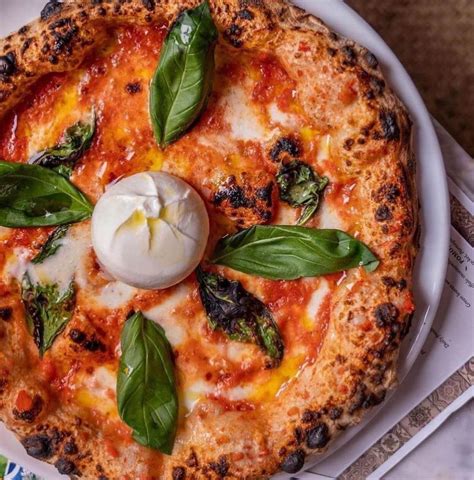
3. Prioritize Authenticity Over Perfection
The goal isn’t always a perfectly styled, magazine-ready shot. Authentic food adventures are often messy, spontaneous, and full of genuine character. Embrace the steam rising from a fresh bowl of noodles, the artful disarray of a street food vendor’s stall, or the candid expressions of people enjoying their meal. Don’t be afraid to capture the process, the interaction, and the vibrant atmosphere. These unscripted moments often tell the most compelling stories and resonate deeply with viewers seeking genuine experiences.

4. Leverage Your Gear (Even if it’s Just a Smartphone)
You don’t need expensive professional equipment to capture incredible food adventure visuals. Modern smartphones are incredibly powerful tools. Learn to use your phone’s camera settings effectively: tap to focus on your subject, adjust exposure by sliding up or down, and utilize portrait mode for beautiful depth of field. If you have a dedicated camera, experiment with different lenses – a prime lens can create stunning bokeh, while a macro lens is perfect for intricate details. Regardless of your gear, the most important tool is your eye for detail and your unique perspective.

5. Curate and Share Your Culinary Narrative
After capturing your moments, the journey continues with curation and sharing. Look for a series of images that tell a cohesive story – from the raw ingredients, to the preparation, to the final dish, and the joy of consumption. Use minimal, tasteful editing to enhance your photos without making them look unnatural. Adjust brightness, contrast, and white balance to bring out the best in your shots while maintaining their authentic feel. Finally, share your adventure with thoughtful captions that provide context and personal insights, allowing others to truly experience your culinary journey vicariously.
Conclusion
Visually documenting your authentic food adventures is a rewarding endeavor that transforms fleeting moments into lasting memories. By focusing on natural light, thoughtful composition, genuine authenticity, effective use of your tools, and compelling storytelling, you can create a vibrant tapestry of your culinary travels. So next time you embark on a food adventure, remember these tips and let your camera capture the delicious narrative.