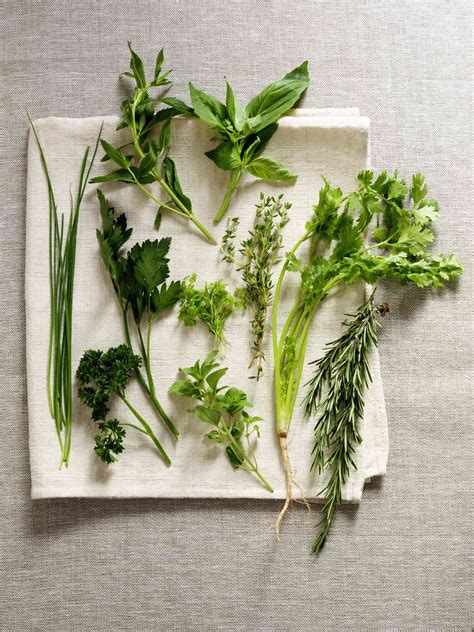
Pro tips: Keep fresh herbs vibrant for visually stunning dishes?

Elevate Your Dishes: The Secret to Long-Lasting, Vibrant Herbs
Fresh herbs are more than just a garnish; they are the soul of many culinary creations, offering bursts of flavor, intoxicating aromas, and an undeniable visual appeal. However, their delicate nature often means they wilt and lose their vibrancy quickly. Mastering the art of herb preservation is a game-changer for any home cook looking to impress. This guide will walk you through professional tips to keep your herbs looking as good as they taste, ensuring your dishes always make a stunning impression.
Why Freshness is Non-Negotiable
The difference between a dull, lackluster dish and a vibrant, show-stopping one often boils down to the quality of your fresh ingredients, especially herbs. Wilted, discolored herbs not only lack the intense flavor and aroma you desire but also detract significantly from your dish’s presentation. Bright green, crisp herbs signify freshness and care, immediately elevating the perceived quality of your cooking.
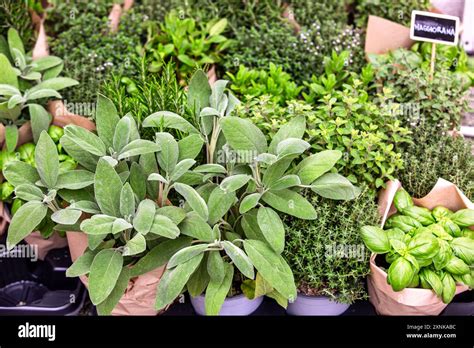
General Best Practices for Herb Longevity
Before diving into specific storage methods, a few universal rules apply to almost all fresh herbs:
- Inspect Upon Purchase: Always choose herbs that look vibrant, are free from yellowing or wilting, and have a strong, characteristic scent.
- Delay Washing: Unless immediately using, avoid washing herbs until just before you’re ready to cook. Excess moisture can accelerate spoilage.
- Gentle Drying is Key: If you must wash them, thoroughly dry herbs using a salad spinner or by gently patting them with paper towels. Any residual moisture can lead to mold and rot.
The Bouquet Method: Hydration for Delicate Herbs
This method mimics keeping a bouquet of flowers in water and is ideal for tender-stemmed herbs like parsley, cilantro, basil, mint, and dill. It provides constant hydration, keeping their leaves plump and green.
- Trim Stems: Snip about half an inch off the bottom of the stems.
- Water Bath: Place the trimmed herbs upright in a glass or jar with about an inch of fresh, cool water at the bottom.
- Cover and Refrigerate (Mostly): For most delicate herbs (parsley, cilantro, dill), loosely cover the top with a plastic bag (a produce bag works well) and refrigerate.
- Basil’s Exception: Basil prefers room temperature. Keep it on your counter away from direct sunlight and drafts.
- Change Water Regularly: Replace the water every 1-2 days or when it appears cloudy.

The Paper Towel Method: A Snug Bed for Hardier Herbs
This technique is perfect for woody-stemmed herbs such as rosemary, thyme, oregano, sage, and chives. It prevents them from drying out while also protecting them from excessive moisture.
- Wash and Dry (If Necessary): If your herbs have dirt, wash them gently and then dry them meticulously with paper towels or a salad spinner.
- Wrap Tightly: Lay the herbs flat on a slightly damp (not wet) paper towel. Roll them up gently but snugly.
- Seal and Refrigerate: Place the wrapped bundle into a resealable plastic bag or an airtight container. Store in the crisper drawer of your refrigerator.
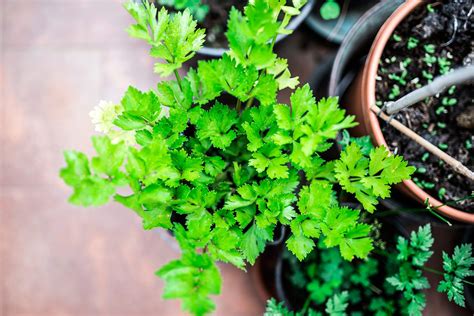
Basil’s Special Demands: Keep It Warm and Happy
Basil is notoriously finicky. Unlike most other herbs, it hates the cold. Refrigerating basil will often turn its leaves black and accelerate spoilage. The “bouquet method” at room temperature is basil’s best friend. Treat it like a houseplant, changing its water regularly, and it will reward you with vibrant, aromatic leaves for days.

Advanced Tips for Extended Freshness
- Freezing Herbs: For longer-term storage, chop herbs finely, place them in ice cube trays, cover with olive oil or water, and freeze. Once solid, transfer the cubes to a freezer-safe bag. This is excellent for herbs destined for cooked dishes.
- Blanching: For herbs like parsley or cilantro that you plan to freeze, a quick blanch (a few seconds in boiling water followed by an ice bath) can help preserve their color and flavor.
- Regular Inspection: Periodically check your stored herbs. Remove any leaves that show signs of wilting, discoloration, or mold immediately to prevent it from spreading.

The Payoff: Beautiful Dishes, Every Time
With these pro tips, you can significantly extend the life and visual appeal of your fresh herbs. No more sad, wilting garnishes or compromised flavors. By investing a little time in proper storage, you’ll ensure that every dish you create is not just delicious but also a feast for the eyes, reflecting the care and passion you put into your cooking. Embrace vibrant herbs and watch your culinary creations truly shine!