Pro tips to keep market-fresh produce vibrant longer for stunning dishes?

There’s nothing quite like the crispness of just-bought lettuce or the aromatic burst of freshly picked herbs. Yet, the joy of market-fresh produce can quickly fade if not stored correctly. Transforming these ingredients into stunning dishes requires them to be at their best, meaning vibrant, flavorful, and full of life. This guide will equip you with professional insights and practical tips to keep your harvest looking and tasting fresh for much longer, minimizing waste and maximizing culinary delight.
Understanding the Basics of Produce Longevity
Before diving into specific storage methods, it’s crucial to grasp the general principles that govern how produce ages. Factors like temperature, humidity, air circulation, and exposure to ethylene gas all play significant roles. Most produce begins to degrade the moment it’s harvested, but strategic storage can slow this process significantly. The goal is to mimic the ideal conditions for each type of fruit or vegetable, preventing premature ripening, wilting, or spoilage.
One common mistake is washing produce as soon as you bring it home. Excess moisture can accelerate decay, especially for berries and leafy greens. It’s generally best to wash fruits and vegetables just before you’re ready to use them. For items that might need a quick rinse to remove loose dirt, ensure they are thoroughly dried before storage.
Tailored Storage for Specific Produce Types
Different produce demands different environments. A one-size-fits-all approach often leads to disappointment. Here’s a breakdown of common categories and their optimal storage solutions:
Leafy Greens & Herbs
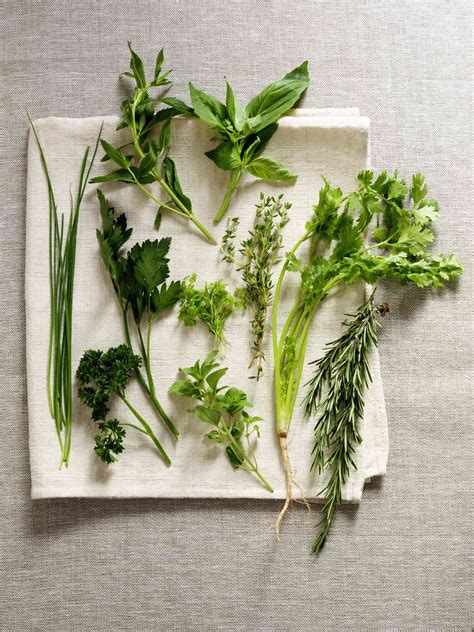
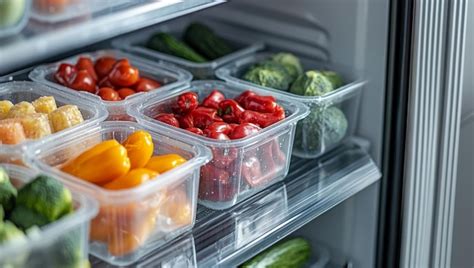
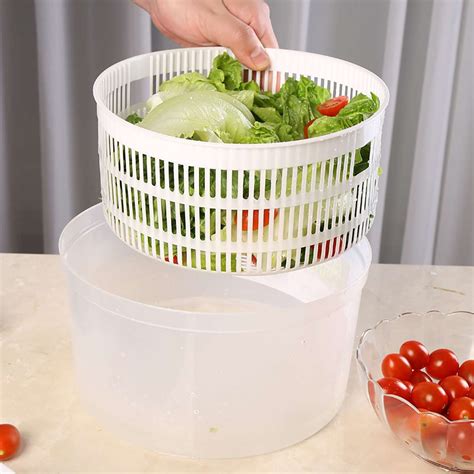
Delicate greens like lettuce, spinach, kale, and fresh herbs wilt quickly. The key is to keep them hydrated without being wet. Wash, thoroughly dry (a salad spinner is invaluable here), then wrap them in a slightly damp paper towel. Store these bundles in an airtight container or a sealed bag in the crisper drawer of your refrigerator. This creates a humid environment without waterlogging, keeping them crisp for up to a week or more. Basil is an exception; treat it like a cut flower, stems in a jar of water on the counter, covered loosely with a plastic bag.
Root Vegetables & Hardy Produce
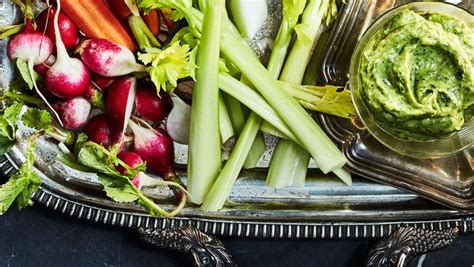
Carrots, celery, radishes, beets, and other root vegetables thrive in cool, humid conditions. Trim off any green tops, as they draw moisture from the roots, causing them to shrivel. Store them unwashed in a sealed plastic bag or airtight container in the crisper drawer. Potatoes, onions, and garlic, however, prefer cool, dark, and dry places – but separate from each other. Storing potatoes and onions together can cause both to spoil faster due to gases released.
Fruits: Ethylene Producers vs. Ethylene Sensitive
Ethylene gas is a natural plant hormone that promotes ripening. Some fruits produce a lot of it (ethylene producers), while others are very sensitive to it. Storing them incorrectly can lead to rapid spoilage for the sensitive ones.
- Ethylene Producers (Store Separately): Apples, avocados, bananas, melons, peaches, pears, tomatoes. Keep these away from ethylene-sensitive items, especially if you want to slow down ripening.
- Ethylene Sensitive (Store Away from Producers): Broccoli, cabbage, carrots, leafy greens, berries, cucumbers, eggplant, green beans.
For most fruits, storing them at room temperature until ripe, then moving them to the refrigerator (if desired) to extend shelf life, is a good strategy. Berries are best stored unwashed in their original containers (or shallow, breathable containers) in the fridge, only washing right before consumption.
Pre-Storage Prep and Revitalization Tricks
Proper Washing and Drying
As mentioned, wash right before use. When you do, use cold water and a gentle scrub. For leafy greens, a salad spinner is your best friend for removing excess moisture without damaging the leaves. Ensure produce is thoroughly dry before storing anything that could mold.
The Water Bath Revitalization
If your greens or herbs look a bit limp, don’t despair! A quick ice-water bath can often bring them back to life. Submerge them in a bowl of very cold water (add ice cubes for extra chill) for 15-30 minutes. This helps rehydrate the plant cells, restoring crispness and vibrancy. Dry thoroughly before use.
Smart Kitchen Tools for Produce Preservation
Investing in a few key kitchen tools can significantly aid in extending produce life:
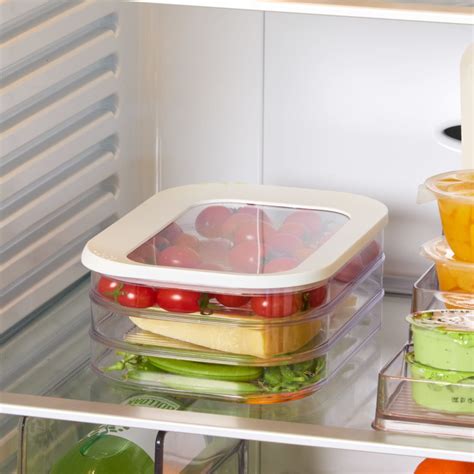
- Airtight Containers: Essential for maintaining humidity and preventing spoilage.
- Salad Spinner: Crucial for drying greens effectively.
- Produce Storage Bags/Bags with Vents: Some bags are specifically designed to regulate moisture and airflow.
- Herb Keepers: Small containers designed to hold herbs upright in water.
Conclusion: Savoring Every Bite
Keeping market-fresh produce vibrant longer isn’t just about saving money; it’s about elevating your cooking and reducing food waste. By understanding the unique needs of different fruits and vegetables and applying these pro tips, you’ll ensure your ingredients remain at their peak, ready to transform into stunning, flavorful dishes that truly celebrate the bounty of the season. Embrace these practices, and enjoy a kitchen where freshness reigns supreme!