Prolong fresh produce vibrancy? Pro foodie storage tips! #FoodPrep #VisualFeeds

Mastering the Art of Produce Preservation
For any true foodie, the sight of crisp, colorful produce is a delight, but the rapid wilting or spoilage can be a source of frustration. Extending the life of your fresh fruits and vegetables isn’t just about reducing waste; it’s about preserving flavor, nutrition, and ensuring your culinary creations always start with the best ingredients. Dive into these professional-level storage strategies that will keep your produce looking and tasting its peak, ready for your next gourmet meal or Instagram-worthy food prep session.

Understanding Different Needs: Humidity and Temperature
Not all produce is created equal, and their storage requirements vary significantly. A common mistake is treating everything the same, often leading to premature spoilage. Think about humidity: leafy greens thrive in a high-humidity environment, while onions and garlic prefer dry, airy conditions. Temperature is equally critical; some items are best refrigerated, others prefer a cool pantry, and some, like tomatoes, lose flavor in the cold.
Leafy Greens and Herbs: The Moisture Management Method
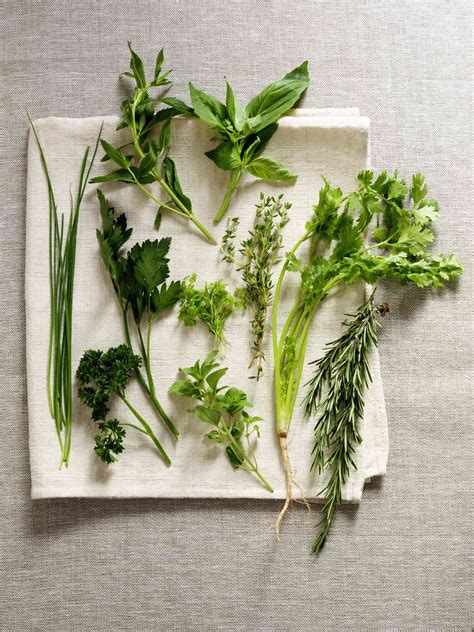
Leafy greens such as spinach, kale, and lettuce, along with fresh herbs like cilantro and parsley, are prone to wilting due to moisture loss. To keep them vibrant:
- Wash and Dry Thoroughly: After purchasing, wash greens and herbs, then dry them completely using a salad spinner or paper towels. Excess moisture encourages rot, but too little leads to wilting.
- Wrap and Store: Wrap dried greens loosely in a paper towel, then place them in an airtight container or a sealed plastic bag. The paper towel absorbs excess moisture while the container maintains humidity.
- Herb Bouquet: For delicate herbs, trim the stems, place them in a small glass of water like a bouquet, and cover loosely with a plastic bag before refrigerating.

Berries and Delicate Fruits: The No-Wash Rule (Until Use)
Berries (strawberries, blueberries, raspberries) and other delicate fruits are highly susceptible to mold. Washing them before storage introduces moisture that accelerates spoilage.
- Ventilated Storage: Store berries unwashed in their original containers or in a breathable container in the refrigerator. If using a different container, ensure it has good airflow to prevent condensation.
- Vinegar Bath (Optional, Pre-Storage): Some foodies swear by a quick vinegar rinse (1 part white vinegar to 3 parts water), followed by meticulous drying, to kill mold spores before storage. Only do this if you can guarantee they are completely dry before chilling.
Root Vegetables and Alliums: Cool, Dark, and Dry
Potatoes, onions, garlic, and sweet potatoes prefer a cool, dark, and dry environment. Refrigeration can convert starches to sugars in potatoes, affecting their taste and texture, and makes onions and garlic sprout faster.
- Separate Storage: Store potatoes and onions separately. Onions release ethylene gas, which can cause potatoes to sprout more quickly.
- Good Airflow: Use mesh bags, baskets, or open containers in a pantry or cellar. Avoid plastic bags that trap moisture.
Ethylene Producers and Ethylene Sensitive: Keep Them Apart
Ethylene is a natural ripening gas produced by certain fruits and vegetables. While it helps ripen some produce, it can prematurely spoil others.
- Producers: Apples, bananas, avocados, tomatoes, peaches, and pears. Store these separately, especially if you want to slow down ripening.
- Sensitive: Broccoli, leafy greens, carrots, cucumbers, and berries. Keep these away from ethylene producers to extend their shelf life.
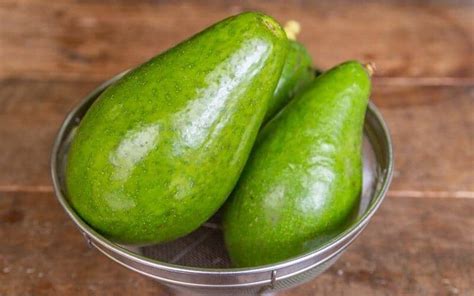
Avocados and Tomatoes: Ripen at Room Temp, Store Based on Stage
Both avocados and tomatoes develop their best flavor and texture at room temperature. Refrigerating them before they’re ripe can halt the ripening process and degrade quality.
- Ripening: Leave unripe avocados and tomatoes on the counter. To speed up avocado ripening, place it in a paper bag with an apple or banana.
- Storing Ripe: Once ripe, avocados can be refrigerated for a few days to slow further ripening. Ripe tomatoes can also be refrigerated, but consider bringing them back to room temperature before serving for optimal flavor.
The Foodie’s Final Word
Incorporating these professional storage tips into your routine will not only keep your produce vibrant and visually appealing for longer but also significantly reduce food waste and save you money. With a little understanding of what each fruit and vegetable needs, you’ll be well on your way to a kitchen stocked with consistently fresh, flavorful ingredients, ready to inspire your next culinary masterpiece. Happy prepping!