Quick chef’s hacks for vibrant, fresh ingredient plating?
In the culinary world, we often eat with our eyes first. A beautifully plated dish can elevate the dining experience, making even the simplest ingredients feel gourmet. While professional chefs spend years perfecting their presentation, you don’t need extensive training to add a touch of artistry to your home-cooked meals. With a few quick chef’s hacks, you can make your vibrant, fresh ingredients truly pop on the plate.
Embrace the Symphony of Color and Contrast
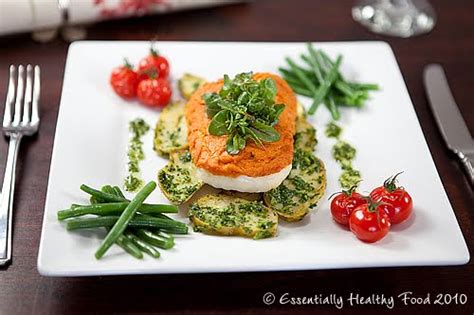
The easiest way to make a dish visually appealing is to utilize the natural beauty of your ingredients. Think about how colors play together. A vibrant green pesto against a creamy white pasta, or bright red cherry tomatoes alongside a crisp green salad. Aim for a palette that is both appealing and balanced. Don’t be afraid to introduce a pop of contrasting color—a sprinkle of paprika on a light-colored sauce, or a few sprigs of fresh dill on a salmon fillet.
Utilize the inherent freshness of your ingredients. Brightly colored vegetables and fruits not only taste better but also add an instant visual boost. Arrange them thoughtfully to create a kaleidoscope of hues that invites diners to dig in.
Mastering Texture and Height for Dynamic Plating
Texture is not just for the palate; it’s also crucial for visual interest. A plate that is entirely flat or one-dimensional can look uninspired. Introduce varying textures—crispy elements next to soft ones, smooth purees alongside crunchy garnishes. Think about how a sprinkle of toasted nuts or a handful of crispy fried onions can transform a dish both in taste and appearance.
Adding height to your plate instantly makes it look more professional and dynamic. This can be achieved by carefully stacking components, leaning elements against each other, or building a base with a sturdy ingredient. A mound of rice topped with a protein, or carefully arranged vegetable stacks, can create an impressive vertical dimension. Even a simple drizzle from a height can add an elegant touch.

The Art of Strategic Placement and Negative Space
Just like a painter uses a canvas, you use your plate. Think about composition. The “rule of odds” suggests that elements arranged in odd numbers (3, 5, 7) are more visually appealing than even numbers. Create a focal point—a central ingredient that draws the eye—and arrange supporting elements around it.
Don’t overcrowd the plate. Negative space, or the empty areas on your plate, is just as important as the food itself. It allows each component to breathe and prevents the dish from looking messy or overwhelming. Use the edge of your plate to guide your arrangement, leaving a clean border around your culinary masterpiece.
Elevate with Simple, Effective Garnishes
Garnishes are the jewelry of your dish—small additions that make a big impact. Fresh herbs like parsley, cilantro, chives, or basil are easy and effective. A finely chopped herb sprinkle, a few full leaves, or a sprig strategically placed can add freshness and color. Edible flowers offer a sophisticated touch, while microgreens provide both visual appeal and a delicate flavor.
Consider drizzles of sauces, oils, or reductions. A squeeze bottle can create beautiful patterns or dots. A dusting of powdered sugar, cocoa, or spices through a stencil can also add an artistic flourish, especially for desserts.

Utilize Simple Tools for Professional Finishes
You don’t need a professional kitchen setup to plate like a pro. A few inexpensive tools can make a significant difference. Squeeze bottles are excellent for precise drizzles of sauces and purees. Ring molds help create perfect circular portions and neat stacks. A microplane zester can produce beautiful, airy shavings of cheese, citrus zest, or chocolate, adding a delicate finish.
Even a simple pair of tweezers can help with precise placement of small garnishes. Remember, practice makes perfect. Experiment with different arrangements, colors, and textures. The goal is to enjoy the process and create food that is not only delicious but also a feast for the eyes.