Quick hacks for beautifully plating your homemade gourmet dishes?
You’ve poured your heart and soul into creating a delicious gourmet meal at home. But is your culinary masterpiece truly complete if it doesn’t look as incredible as it tastes? Beautiful plating isn’t just for Michelin-starred restaurants; it’s an accessible art that can elevate your homemade dishes from merely delicious to truly unforgettable. Mastering a few quick plating hacks can make all the difference, impressing your family and guests, and even making your food taste better simply by delighting the eyes first.
Why Plating Matters: The First Bite Is With The Eye
Before a single fork touches the food, our eyes are already assessing, anticipating, and even tasting. Visual appeal plays a crucial role in our perception of flavor and enjoyment. A well-plated dish suggests care, attention to detail, and skill, enhancing the overall dining experience. Thankfully, you don’t need years of culinary school to plate like a pro. With a few simple tricks, you can turn ordinary ingredients into extraordinary presentations.
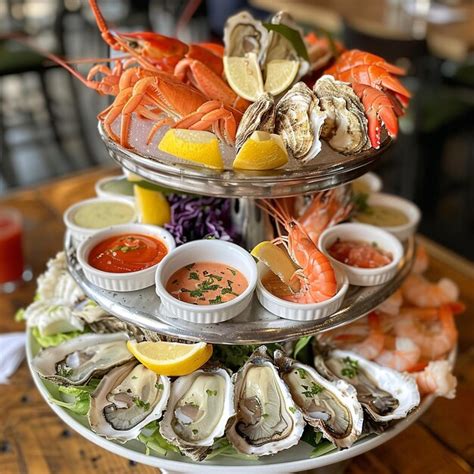
Mastering the Fundamentals of Food Presentation
Before diving into specific hacks, understanding a few core principles will lay the groundwork for your plating success:
- Focus Point: Every plate needs a hero. Decide which ingredient is the star and build around it.
- Color & Contrast: Use a variety of colors to make your dish pop. Think about complementary colors and how they stand out against each other.
- Texture & Height: Incorporate different textures – crunchy, creamy, smooth – and build height to add visual interest and dimension.
- Negative Space: Don’t overcrowd the plate. Leave some empty space (the “canvas”) to draw attention to your food.
- Cleanliness: A clean plate edge is non-negotiable. Use a towel to wipe away any drips or smudges before serving.
Hack 1: The Saucy Swirl or Smear
One of the easiest ways to add a professional touch is with sauces, purées, or coulis. Instead of just pouring, try these techniques:
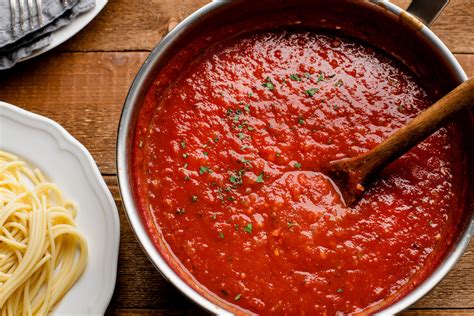
- The Smear: Apply a dollop of a thicker sauce (like a pea purée or a rich red wine reduction) to one side of the plate and drag the back of a spoon across it in a graceful arc. This creates an artistic streak that grounds your main component.
- The Swirl: For thinner sauces, drizzle them in a spiral pattern from the center outwards or in concentric circles. You can also use a squeeze bottle for precise dots around your dish.
Hack 2: Build Up, Not Out – The Art of Stacking
Flat food can look uninspired. Create visual interest by building components upwards. Think vertically!
- The Base: Start with a stable base, such as a bed of purée, polenta, or even a small portion of grains.
- Layer It Up: Gently stack your main protein, then vegetables, and perhaps a delicate garnish on top. Use ring molds for perfect circular stacks of rice, tartare, or layered salads.
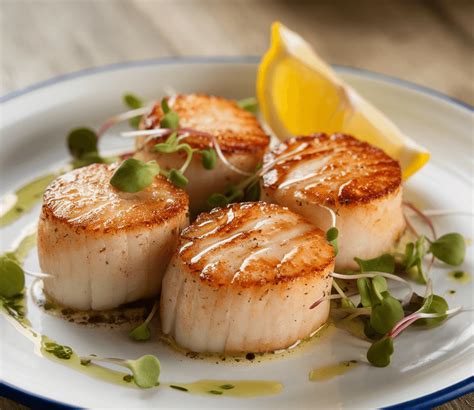
- Odd Numbers Rule: When placing small items like shrimp, scallops, or individual vegetables, arrange them in odd numbers (3, 5, 7) for a more visually appealing and balanced composition.
Hack 3: The Power of Garnishes and Finishing Touches
Garnishes are the jewelry of your dish – they add sparkle and polish. A little goes a long way.
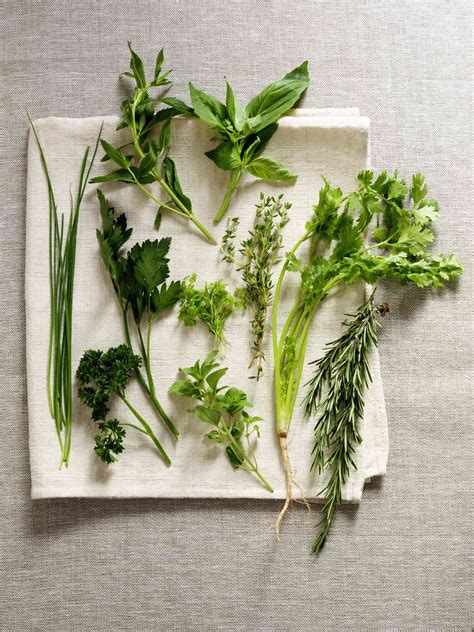
- Fresh Herbs: A sprig of fresh parsley, dill, or cilantro can brighten any dish. Choose herbs that complement the flavors.
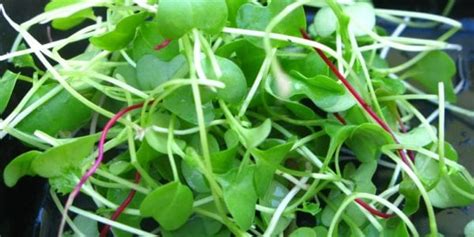
- Microgreens & Edible Flowers: These tiny greens and colorful blossoms add instant elegance and a delicate texture. Scatter them thoughtfully.
- Toasted Nuts/Seeds: Provide crunch and visual interest.
- A Drizzle of Oil: A finishing drizzle of high-quality extra virgin olive oil or a flavored oil can add sheen and another layer of flavor.
- Flaky Sea Salt: A sprinkle of flaky sea salt (like Maldon) provides texture, seasoning, and a glinting finish.
Hack 4: Utilize Your Kitchen Tools Smartly
You don’t need specialized plating tools; everyday kitchen items can be repurposed:
- Squeeze Bottles: Fill with sauces, oils, or vinaigrettes for precise drizzling and dotting.
- Tongs: Perfect for carefully placing delicate ingredients like herbs or small vegetables.
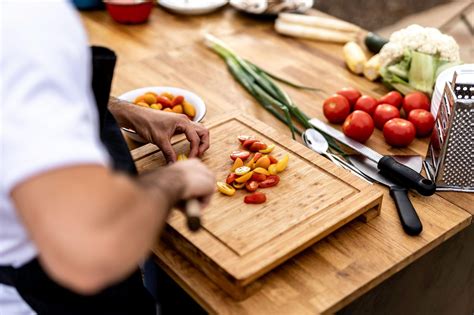
- Paring Knife: For precise cuts, creating decorative vegetable shapes, or trimming edges.
- Clean Cloth/Paper Towel: Your best friend for wiping plate edges and removing smudges. Keep it handy!

Hack 5: The “Rule of Thirds” and Off-Center Appeal
Just like in photography, applying the rule of thirds can create a more dynamic and engaging plate. Imagine a tic-tac-toe grid over your plate. Instead of placing your main component dead center, position it at one of the intersecting points of the grid. This off-center placement creates tension and visual flow, making the dish more interesting to look at.
Conclusion: Plate with Confidence and Creativity
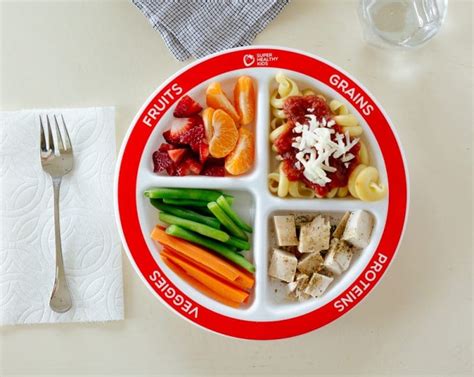
Plating your homemade gourmet dishes doesn’t have to be intimidating. Start by incorporating one or two of these quick hacks into your next meal. Practice makes perfect, and with each dish, you’ll develop an eye for what looks appealing. Remember, the goal is to enhance the dining experience, not to create stress. So, grab your tongs, your squeeze bottle, and a clean cloth, and start transforming your delicious food into a feast for the eyes!