Quick plating tips to elevate everyday recipes into stunning visual feeds?
In the age of social media, food is not just about taste; it’s also about how it looks. An everyday meal, no matter how delicious, can be transformed into a culinary masterpiece with a few simple plating tricks. You don’t need to be a Michelin-star chef to make your food Instagram-worthy. With these quick tips, you can elevate your home cooking and create stunning visual feeds that are as appealing to the eyes as they are to the palate.
Why Plating Matters
Plating is the art of arranging food on the plate in an aesthetically pleasing way. It enhances the dining experience by stimulating the senses even before the first bite. A well-plated dish suggests care, skill, and attention to detail, making the food more enticing and enjoyable. It can also influence perception of taste, making food seem more flavorful and high-quality.
Think about how professional chefs meticulously arrange every component. This isn’t just for show; it’s a deliberate part of the culinary experience. By adopting some of their techniques, you can make your home-cooked meals feel special, whether you’re serving family, friends, or just yourself.

The Fundamentals of Great Plating
1. Focus on Color and Contrast
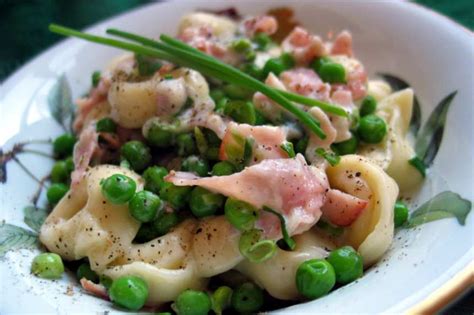
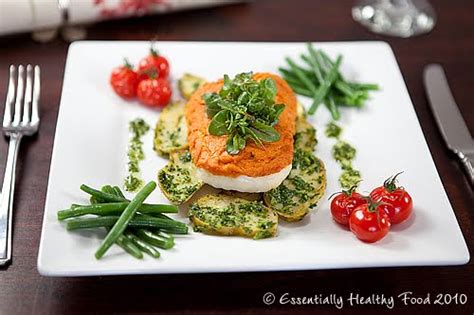
Your plate is your canvas. Use ingredients with varying colors to create visual interest. Think about contrasting colors (e.g., bright green herbs against a creamy white sauce, or vibrant red tomatoes with dark greens). Don’t just pile everything on; strategically place components to make the colors pop.
2. Play with Texture
A good dish offers a variety of textures – crunchy, smooth, crispy, soft. Showcase these textures on your plate. For instance, a dish with soft components can benefit from a sprinkle of toasted nuts or croutons for added crunch and visual appeal.
3. Consider Height and Dimension
Flat food is less interesting. Build your dish upwards. Use a base layer, then stack components to create height. A small mound of rice or mashed potatoes can serve as a foundation for a protein, giving your dish a more dynamic and professional look.

Essential Plating Techniques
1. The Rule of Odds and Negative Space
Arranging elements in odd numbers (3 or 5) often creates a more natural and appealing look than even numbers. Also, don’t overcrowd the plate. Leave some ‘negative space’ – empty areas on the plate – to allow your food to breathe and become the focal point. This gives the dish an elegant, uncluttered appearance.
2. Create a Focal Point
Every dish needs a star. Identify the main component of your dish (e.g., the grilled steak, the perfectly poached egg) and make it the focal point. Arrange other elements around it in a way that draws the eye towards the star.
3. Sauce and Drizzle Art
Sauces aren’t just for flavor; they’re excellent plating tools. Instead of simply pouring sauce over everything, consider drizzling it artfully, creating swirls, or placing a dollop precisely. A squeeze bottle or a spoon can help you achieve elegant lines and patterns.
Garnishes: The Finishing Touch
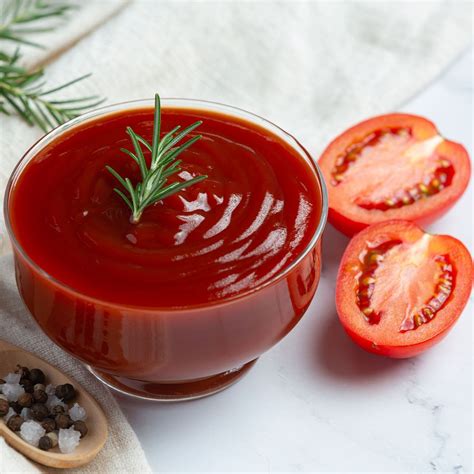
Garnishes are crucial for adding that final flourish. They should complement the dish in flavor and texture, not just be there for looks. A sprig of fresh herbs, a sprinkle of edible flowers, a wedge of lemon, or a dash of paprika can make a huge difference.
- Fresh Herbs: Parsley, cilantro, dill, or chives add freshness and a pop of green.
- Citrus Zest/Wedges: Brighten up dishes with a zing of citrus.
- Toasted Nuts/Seeds: Provide crunch and visual texture.
- Spices: A light dusting of smoked paprika or cayenne pepper can add color.

Practical Tips for Home Cooks
- Start with a Clean Plate: Always wipe the edges of your plate with a clean cloth or paper towel to remove any drips or smudges before serving.
- Use the Right Tools: Tongs, squeeze bottles, and even a simple spoon can be your best friends for precise placement.
- Less is More: Don’t overload the plate. Portion control is key to elegant plating.
- Practice: The more you try, the better you’ll get. Don’t be afraid to experiment with different arrangements.
- Lighting for Photos: If you’re photographing your food, natural, diffused light is always best. Avoid harsh overhead lighting.
Elevating your everyday recipes into stunning visual feeds is an accessible skill. By paying attention to color, texture, height, and strategic placement, you can transform your meals from simple sustenance into delightful culinary experiences. So, grab your tongs, select your garnish, and start plating like a pro. Your taste buds and your followers will thank you!