Quick plating tips to make everyday meals stunning?
You don’t need to be a Michelin-star chef to make your everyday meals look like culinary masterpieces. With a few simple tricks, you can transform a humble weeknight dinner into a feast for the eyes, enhancing the entire dining experience. Good plating isn’t just for fancy restaurants; it’s an accessible art that can make your food more appealing and even more enjoyable.
The Canvas: Choose Your Plate Wisely
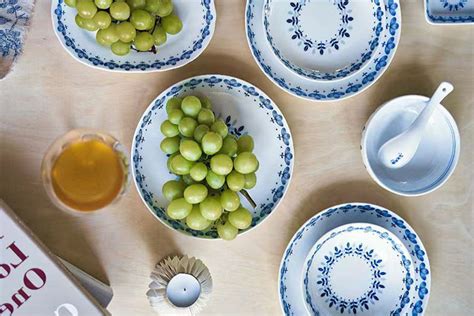
Think of your plate as a canvas. The color, shape, and size can dramatically impact how your food looks. White plates are often preferred because they make colors pop and allow the food itself to be the star. Avoid overly busy patterns that might distract from your culinary creation.
Consider the size of your plate in relation to your portion. Too much food on a small plate looks messy, while too little food on a large plate can look sparse. A general rule of thumb is to fill about two-thirds of the plate, leaving some ‘white space’ around the edges to frame your dish.
Build Up: Master the Main Component
When arranging your food, focus on the main component first, whether it’s a protein, a pasta dish, or a vibrant salad. Place it slightly off-center for a more dynamic visual. Think about creating height; stacking ingredients rather than spreading them flat can add an appealing dimension. For instance, lean cooked protein against a mound of mashed potatoes or rice.
If you’re serving sliced meats or vegetables, arrange them strategically. Overlapping slices of chicken or fanning out avocado can make the dish look more intentional and appealing. Play with asymmetry; an odd number of items often looks more balanced than an even number.

Add Life: Incorporate Color and Texture
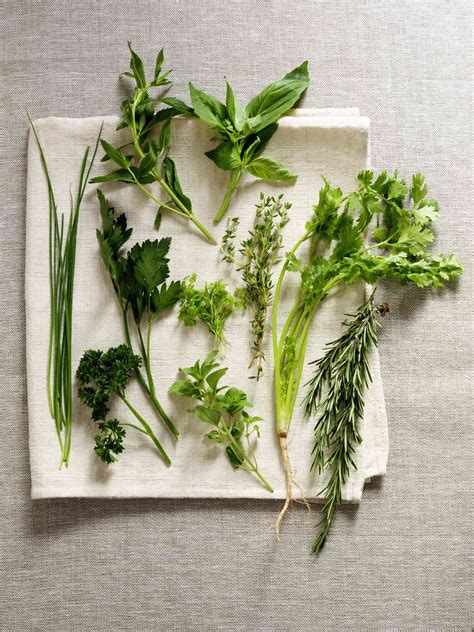
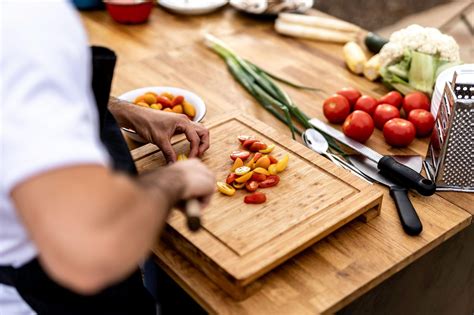
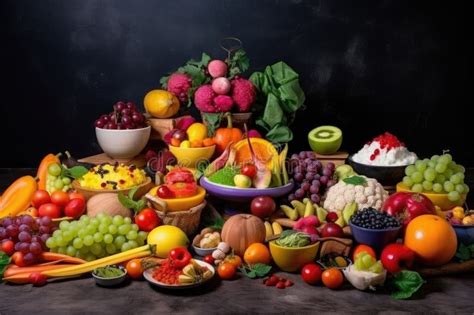
Color is one of the most powerful tools in food plating. A plate of monochromatic food, no matter how delicious, can appear unappetizing. Introduce a variety of colors through fresh herbs, vibrant vegetables, sauces, or even a sprinkle of spice. Red tomatoes, green herbs, yellow corn, and orange carrots can turn a bland-looking meal into a visually exciting one.
Texture contrast is equally important. A dish that offers both creamy and crispy elements, or soft and crunchy components, is more interesting to eat. Think about adding toasted nuts to a salad, crispy fried onions to a soup, or a sprinkle of flaky sea salt to finish a dish. These small additions provide visual interest and a delightful mouthfeel.
The Finishing Touch: Garnish with Finesse
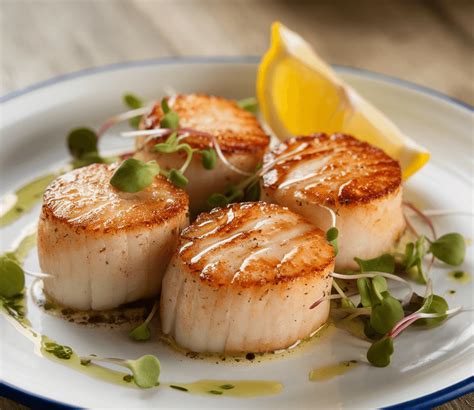
Garnishes are not just pretty additions; they should ideally complement the flavors of your dish. A sprig of fresh parsley, a lemon wedge, a few toasted sesame seeds, or a drizzle of balsamic glaze can add that final professional touch. Place garnishes thoughtfully, ensuring they enhance rather than overwhelm the dish.
Consider using drizzles and dustings. A swirl of sauce around the main component, a neat dollop of crème fraîche, or a light dusting of paprika can add elegance. Just remember that less is often more when it comes to garnishes – they should accent the food, not hide it.

Keep it Crisp: Cleanliness and Simplicity
A beautifully plated dish can be ruined by a messy plate. Before serving, take a moment to wipe the edges of your plate with a clean cloth or paper towel to remove any drips, smudges, or stray ingredients. This simple step makes a huge difference in presentation.
Lastly, resist the urge to overcomplicate things. Sometimes, the most stunning plates are the simplest. A well-cooked piece of fish with a vibrant green vegetable and a simple sauce, neatly arranged, can be far more appealing than a plate overloaded with too many components. Focus on quality ingredients and letting them shine.

By incorporating these quick plating tips into your daily routine, you’ll find that your everyday meals not only taste better but look spectacular. It’s a small effort with a big reward, transforming your home dining into an experience to savor.