Quick prep hacks: How do foodies prevent soggy salad greens for vibrant bowls?
The Dreaded Soggy Salad: A Culinary Catastrophe Averted
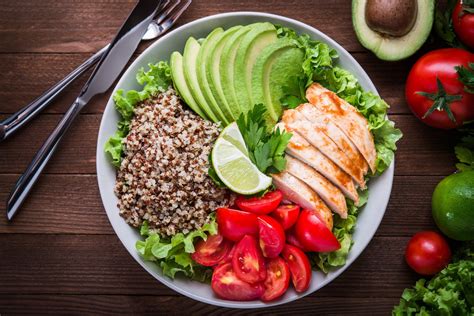
There’s nothing quite as disheartening as reaching for what should be a crisp, refreshing salad, only to find a sad, soggy mess at the bottom of the bowl. For foodies, a vibrant, texturally diverse salad is a non-negotiable, and preventing soggy greens is an art form. It’s not just about taste; it’s about the entire eating experience. So, how do the pros keep their greens perky and pristine, ensuring every bite is as fresh as intended?
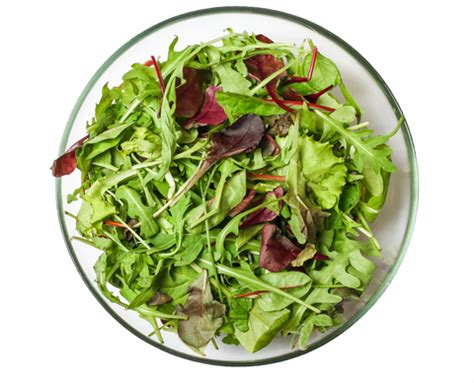
Mastering the Art of Drying: Your First Line of Defense
Excess moisture is the primary culprit behind soggy greens. Even after a thorough wash, lingering water droplets cling to leaves, softening them over time and diluting dressings. This is where proper drying becomes paramount.
- The Salad Spinner is Your Best Friend: This isn’t a frivolous gadget; it’s an essential. A good salad spinner removes an incredible amount of water without bruising delicate leaves. Spin your greens in batches until they are visibly dry.
- Paper Towel Pat-Down: For very delicate greens or if you don’t own a spinner, gently blot greens dry with paper towels. Lay them out in a single layer and lightly press with another towel until moisture is absorbed.
- Air Drying (with caution): While less efficient, some prefer to spread greens on a clean kitchen towel to air dry for 15-30 minutes. Ensure they are completely dry before proceeding.
Smart Storage Solutions for Sustained Crispness
Once dried, how you store your greens makes all the difference in their longevity and crispness.
The key is to create an environment that prevents moisture buildup while still allowing the greens to breathe. Refrigerator humidity can be a blessing and a curse.
- Paper Towel Wrap: Line an airtight container or a large zip-top bag with dry paper towels. Place your dried greens on top, then add another layer of paper towels before sealing. The towels will absorb any residual moisture, keeping the greens crisp for days. Change the paper towels if they become damp.
- Specialized Produce Keepers: Many brands offer produce storage containers designed to regulate humidity. These often include a raised base to keep greens out of condensation and vents for airflow.
- Don’t Pack Too Tightly: Give your greens some breathing room. Overpacking can crush leaves and accelerate spoilage.
Dressing with Finesse: Timing is Everything
Applying dressing too early is a guaranteed path to a soggy salad. The acid and oil in dressings begin to break down the cell walls of the greens, leading to a limp texture.
- Dress Just Before Serving: This is the golden rule. Dress your salad immediately before you plan to eat it.
- Dress in Batches: If serving a crowd, dress small portions as needed to ensure everyone gets a fresh, crisp salad.
- Dress on the Side: For packed lunches or picnics, always store the dressing in a separate container and add it just before eating.
- Light Hand with Dressing: You don’t need to drench your salad. A light coating is often sufficient to impart flavor without weighing down the greens.
Layering for Longevity: The Stacked Salad Strategy
For make-ahead salads, especially those packed in jars or containers, strategic layering is crucial to protect your delicate greens.
- Dressing First: At the very bottom, place your dressing.
- Hardy Vegetables: Next, add tough vegetables that won’t get soggy in the dressing, like carrots, cucumbers, bell peppers, or chickpeas.
- Grains/Proteins: Layer in cooked grains (quinoa, farro) or proteins (chicken, tofu).
- Softer Vegetables/Fruits: Add ingredients like tomatoes, avocado, or berries, keeping them elevated from the dressing.
- Greens Last: Your delicate salad greens go right at the very top, furthest away from the dressing. When you’re ready to eat, simply shake the jar or tip it into a bowl to combine.
Additional Pro Tips for Perpetual Crispness
- Choose Sturdy Greens: While all greens can benefit from these tips, some are naturally more robust than others. Romaine, endive, and kale tend to hold up better than delicate butter lettuce or spring mix.
- Don’t Overcrowd Your Fridge: Good air circulation in your refrigerator helps maintain consistent temperatures and prevents moisture build-up around your produce.
- Consider Cold Plates: A chilled salad plate can help keep your salad crisp for longer, especially in warm environments.
By implementing these simple yet effective quick prep hacks, you can bid farewell to soggy salad greens forever. Embrace the joy of consistently vibrant, crisp, and utterly delicious salads, proving that a little extra effort in preparation goes a long way in elevating your culinary creations.