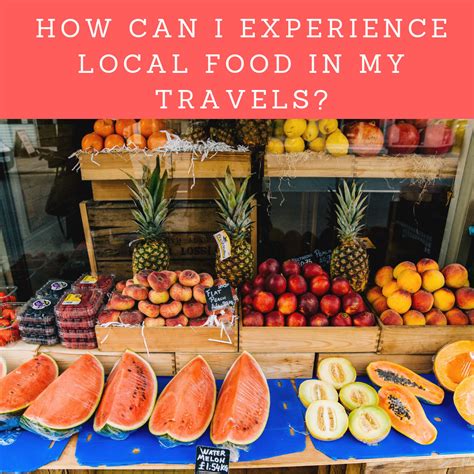
Quick tips for visually documenting authentic local food discoveries?

Capturing Culinary Authenticity Through Your Lens
Venturing into new places often means embarking on a delightful culinary journey. Discovering authentic local food isn’t just about taste; it’s about the experience, the culture, and the memories. Visually documenting these moments allows you to relive them and share your unique finds with others. But how do you capture the true essence of a bustling street food stall or a rustic, hidden eatery? Here are some quick tips to help you master the art of visual storytelling for your food adventures.
Embrace Natural Light
The single most crucial element in food photography is lighting. Whenever possible, seek out natural light. Avoid harsh overhead restaurant lights or using your camera’s flash, as these can flatten your food and distort its true colors. Position your dish near a window or outdoors under diffuse light (e.g., a cloudy day or in the shade). Natural light brings out textures, highlights vibrant colors, and creates inviting shadows, making your food look far more appetizing and real.
Focus on Details and Texture
Authentic local food often boasts unique textures, ingredients, and preparation methods. Don’t be afraid to get up close! Macro shots or tightly framed compositions can highlight the glistening sauce, the crispiness of a fried delicacy, or the intricate layers of a regional pastry. Show the steam rising, the fresh herbs, or the hand-pulled noodles. These details tell a story about the food’s craftsmanship and freshness, adding depth to your visual narrative.

Include the Context and Environment
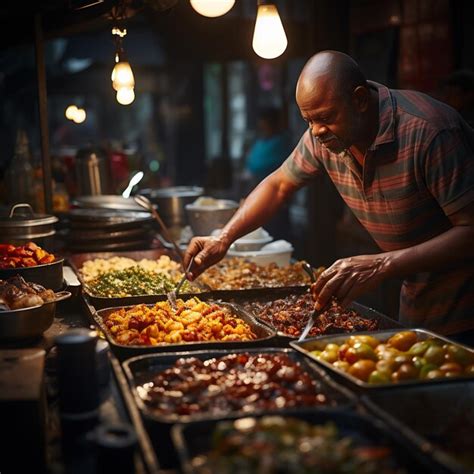
It’s not just about the food itself; it’s about where you found it and the atmosphere surrounding it. Frame your shots to include elements that speak to the location. This could be a bustling market background, the hands of a local vendor, unique local decor, or even the rustic charm of a dining table. These contextual clues provide a sense of place and authenticity, transporting your audience directly into your food adventure. It turns a simple food photo into a travel story.
Capture the Human Element
The people involved in your food discoveries are often as important as the dishes themselves. Photograph the chef meticulously preparing a dish, a vendor enthusiastically explaining their ingredients, or locals enjoying their meal. Human interaction adds warmth, narrative, and an undeniable layer of authenticity. Ensure you ask for permission before taking close-up shots of individuals, especially in cultural settings.

Edit Smart, Not Hard
You don’t need professional software to make your food photos pop. Most modern smartphones have excellent built-in editing tools, and free apps like Snapseed or Lightroom Mobile offer powerful yet intuitive options. Focus on minor adjustments: brighten shadows, boost contrast slightly, adjust white balance if colors look off, and maybe a touch of saturation to make ingredients sing. The goal is to enhance the natural beauty, not to create an artificial look.

Share Your Story
Once you’ve captured these beautiful moments, share them! Whether on social media, a personal blog, or with friends and family, your visual documentation can inspire others to explore and appreciate the rich tapestry of global cuisines. Remember, every authentic food discovery has a story, and your photographs are the perfect medium to tell it.