Quick Visual Bite editing tips for consistent, mouth-watering food shots?
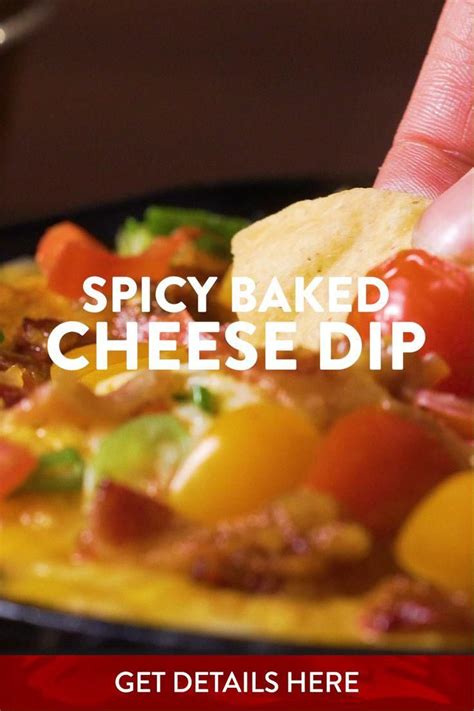
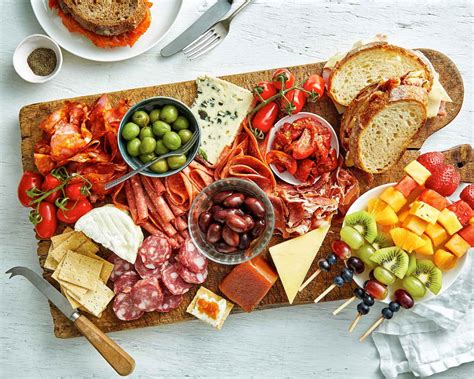
In the world of food photography, capturing the initial shot is only half the battle. The real magic often happens in post-production, where careful editing transforms a good picture into a truly mouth-watering visual bite. Consistent and strategic editing ensures that your food photography not only looks professional but also accurately conveys the deliciousness of your culinary creations. Let’s dive into some quick tips to elevate your food shots.
Setting the Stage: Pre-Editing Essentials
Before you even open your editing software, a few considerations can make the post-processing much smoother. Always shoot in good lighting, preferably natural light, to minimize harsh shadows and inaccurate colors. If possible, shoot in RAW format for maximum flexibility in adjusting exposure and colors without degradation. A solid foundation from the camera makes editing a refinement process, not a repair job.
Mastering Core Adjustments for Impact
Achieving Accurate White Balance
One of the most critical steps is correcting white balance. Inaccurate white balance can make food look unappetizingly yellow, blue, or green. Use the eyedropper tool on a neutral gray or white area in your shot to achieve accurate colors. If you don’t have a neutral reference, adjust the temperature and tint sliders until the food’s colors look natural and vibrant, just as they would in real life.
Optimizing Exposure and Contrast
A well-exposed photo is key. Adjust exposure to brighten or darken your image, ensuring details aren’t lost in shadows or blown out in highlights. Complement this with contrast adjustments. Boosting contrast can add depth and make food ‘pop,’ but be careful not to overdo it, which can lead to harsh visuals. Aim for a balanced look that retains detail in both the lightest and darkest areas.

Enhancing Colors with Saturation and Vibrance
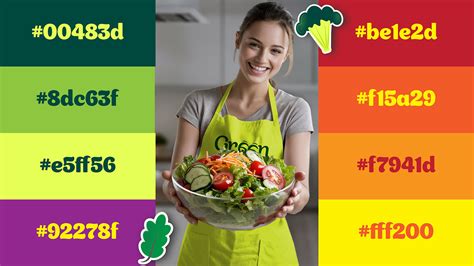
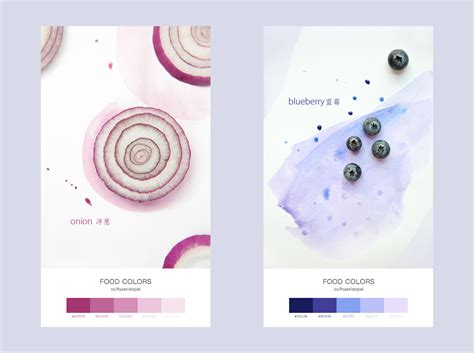
While food should look appealingly colorful, it shouldn’t look artificial. Use saturation sparingly; it intensifies all colors equally. Vibrance, on the other hand, subtly boosts less saturated colors and protects skin tones (though less critical for food, it helps maintain naturalness). This allows you to make your ingredients look fresh and enticing without making them appear plastic or oversaturated.
Sharpening for Crisp Details
A touch of sharpening can make a significant difference, especially for textures like flaky crusts, fresh herbs, or glistening sauces. Apply sharpening carefully, focusing on areas with fine details. Over-sharpening can introduce noise or halos, making the image look gritty. Always zoom in to 100% to assess the effect of sharpening accurately.
Refining Your Shots: Advanced Techniques
Strategic Cropping and Composition
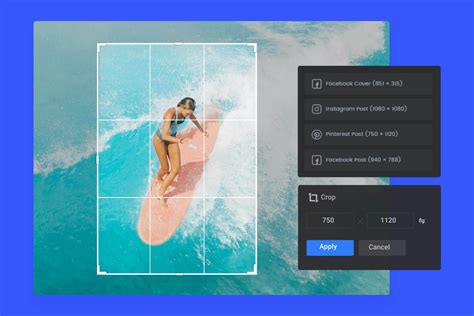
Even after shooting, the crop can significantly enhance your composition. Experiment with different aspect ratios and zooms to find the most appealing frame. The rule of thirds, leading lines, and negative space can all be refined through thoughtful cropping to draw the viewer’s eye to the most delicious elements of your dish.
Spot Removal and Object Correction
Minor imperfections are inevitable. Use healing or cloning tools to remove distracting crumbs, specks of dust, or unwanted reflections. These small clean-ups contribute immensely to a professional and polished final image, ensuring the focus remains squarely on the food.
Achieving Consistency with Presets and Workflow
For a cohesive portfolio or social media feed, consistency is key. Develop a custom preset in your editing software that reflects your signature style. Apply this preset as a starting point for all your food shots, then make minor adjustments as needed for individual images. This not only saves time but ensures a unified aesthetic across your “Visual Bites.”
Conclusion
Editing is an indispensable part of creating truly mouth-watering food photography. By mastering white balance, exposure, contrast, and color adjustments, and by refining your composition and workflow, you can consistently produce visually stunning images that entice and delight your audience. Remember, the goal is to enhance the natural appeal of the food, making it look as delicious on screen as it does in person.