Quick visual hacks for elevating everyday dishes from plate to gourmet presentation?
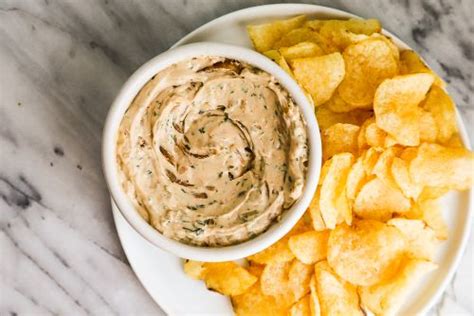
It’s often said we eat with our eyes first, and never is that truer than when aspiring to elevate a humble home-cooked meal into something truly special. Transforming an everyday dish into a gourmet presentation doesn’t require a culinary degree or expensive ingredients; it’s all about strategic visual hacks that highlight the dish’s best features. With a few thoughtful techniques, you can make your food look as incredible as it tastes, turning every meal into a feast for the senses.
Mastering the Plate: Your Culinary Canvas
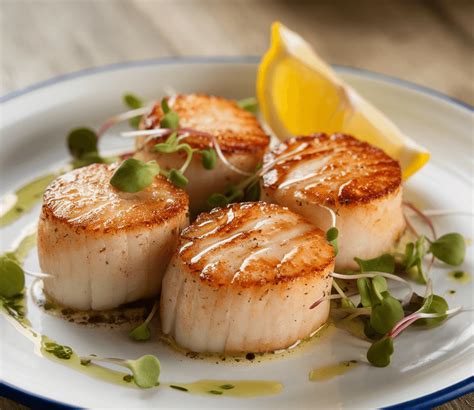
The foundation of any great presentation begins with the plate itself. Think of it as your canvas. Opt for plain, monochromatic plates – white is a classic for a reason – as they allow the vibrant colors of your food to pop without distraction. Consider the shape and size: a wider plate provides more negative space, which is crucial for a sophisticated look. Don’t overcrowd; leave ample room around your food to create a sense of elegance and highlight individual components.
Using plates that contrast with your food’s color can also create a striking visual impact. For example, a dark plate can beautifully frame light-colored pasta or fish, while a vibrant blue plate might make a yellow curry truly sing. Experiment with square, rectangular, or even irregularly shaped plates to add a modern touch, ensuring they complement the dish rather than compete with it.

The Art of Thoughtful Arrangement
Once you have your canvas, it’s time to arrange your masterpiece. Forget simply dumping food onto the plate. Think about height, balance, and focal points. Stack ingredients when possible; a slightly elevated protein or a carefully piled salad instantly adds dimension and a professional touch. Aim for the ‘rule of odds’ – arranging items in odd numbers (e.g., three asparagus spears instead of two) often looks more natural and appealing to the eye.
Create a focal point. This is usually the main protein or star ingredient of your dish. Place it slightly off-center to create dynamic asymmetry, which is often more visually interesting than a perfectly symmetrical arrangement. Use accompanying elements like sauces, purées, or vegetables to frame and complement your focal point, guiding the diner’s eye across the plate.
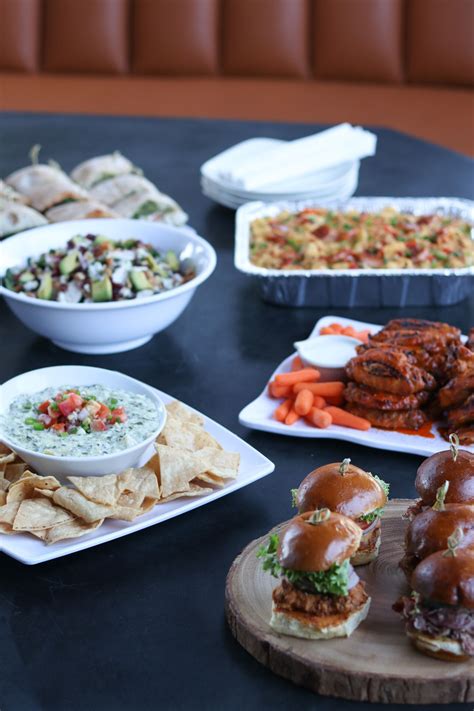
Garnishes: The Jewel in the Crown
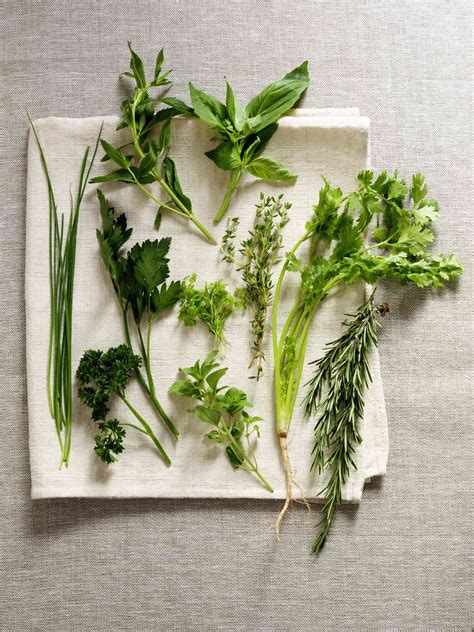
Garnishes are not just an afterthought; they are the finishing touch that can elevate a dish from good to gourmet. Fresh herbs are your best friend here. A sprinkle of finely chopped chives, a sprig of rosemary, or a few cilantro leaves can add a burst of color, freshness, and aroma. Make sure your herbs are crisp and vibrant, not wilted.
Beyond herbs, consider other edible garnishes: a wedge of lemon or lime to brighten flavors and colors, toasted nuts or seeds for crunch, or even a few vibrant edible flowers for a truly exquisite touch. Even a simple grinding of fresh black pepper or a drizzle of high-quality olive oil can make a difference. For desserts, a dusting of cocoa powder or powdered sugar through a stencil, or a few fresh berries, can transform the presentation.
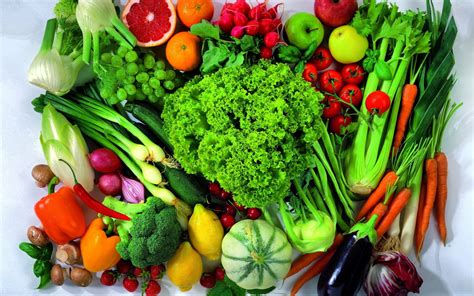
Sauces are another powerful garnish. Instead of just pouring, try a deliberate swipe or a few dots around the plate. A squeeze bottle can help you achieve elegant lines or intricate patterns. Even a simple balsamic glaze or a swirl of crème fraîche can add sophisticated visual interest.
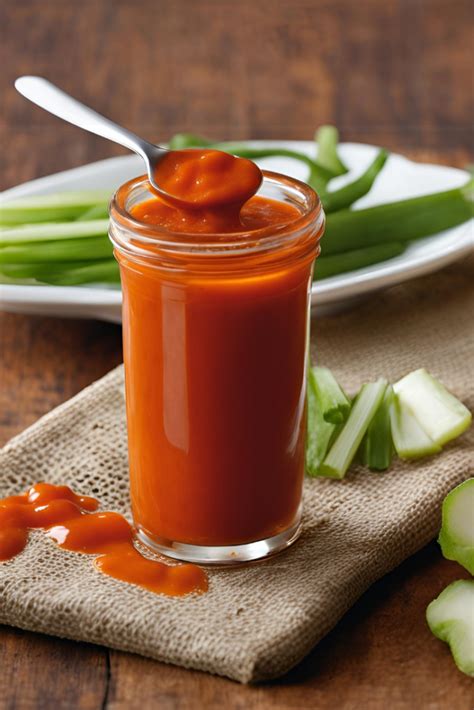
Playing with Color and Texture Contrast
A visually appealing dish is often a symphony of colors and textures. Aim for a variety of hues on your plate. If your main ingredient is monochromatic, add contrasting colors through side dishes, garnishes, or sauces. Think bright red cherry tomatoes against green pesto pasta, or vibrant orange carrots beside a golden-brown roasted chicken.
Texture contrast is equally important. A dish that offers both crispiness and creaminess, or softness and crunch, is far more engaging. For example, add toasted croutons to a creamy soup, crispy fried onions to a soft stew, or a sprinkle of toasted sesame seeds over a smooth purée. These textural variations not only enhance the eating experience but also make the dish look more dynamic and complex.

Conclusion: Plate with Confidence
Elevating your everyday dishes to gourmet presentations is an enjoyable and rewarding aspect of cooking. By paying attention to your plate choice, thoughtful arrangement, strategic garnishing, and the interplay of color and texture, you can transform ordinary meals into extraordinary dining experiences. These visual hacks are simple to implement, yet they make a significant impact, proving that with a little creativity, every meal can be a masterpiece.