Quick visual hacks to transform leftovers into delicious new meals?
Reimagining Your Plate: The Art of Leftover Transformation
Leftovers. The word itself can sometimes evoke a sense of culinary ennui. We’ve all been there – a fridge full of yesterday’s dinner, staring back at us with the same tired promise. But what if we told you that with a few quick visual tricks, those uninspired remnants could be reborn into entirely new, delicious, and aesthetically pleasing meals? It’s not just about taste; it’s about transforming the perception of your food, making it feel fresh and exciting again.
The Power of Presentation: First Impressions Matter
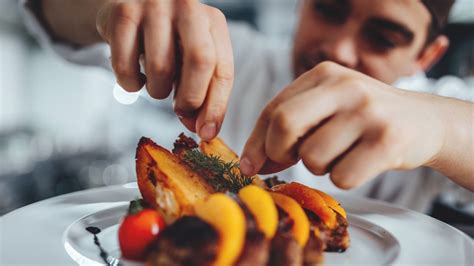
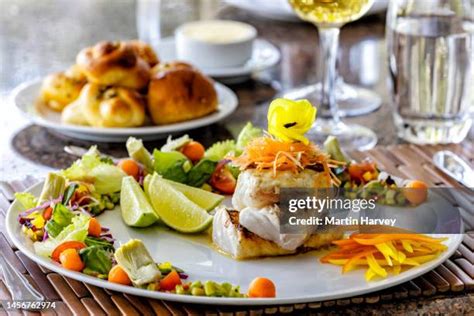
Before you even take a bite, your eyes have already formed an opinion. This is where the magic begins. A simple change in plating can dramatically alter how a dish is perceived. Instead of reheating a blob of yesterday’s stir-fry in the same old bowl, consider arranging it artfully on a fresh plate. Think about contrasting colors, textures, and even the shape of your serving ware. A sprinkle of fresh herbs, a swirl of sauce, or a wedge of lemon can turn ordinary into extraordinary.
Creative Repurposing: New Forms, New Flavors
The key to transforming leftovers is to break them down and rebuild them with a new identity. Don’t just reheat; rethink! Here are some common leftover types and visual hacks to give them a new lease on life:
Vibrant Vegetable Makeovers
Roasted vegetables from Sunday dinner can be cubed and tossed into a vibrant salad with fresh greens, a light vinaigrette, and some toasted nuts. Alternatively, they can be chopped finely and folded into an omelette or frittata, providing a burst of color and nutrition. The visual contrast of fresh with cooked can make all the difference.
Grain and Pasta Genius
Plain rice can become the base for a colorful fried rice, studded with chopped bell peppers, peas, and a fried egg on top. Leftover pasta can be mixed with new sauce ingredients, baked into a cheesy casserole, or even transformed into mini pasta frittatas, visually appealing for individual servings.

Meat and Protein Reinventions
Shredded chicken, beef, or pork can be repurposed into tacos, quesadillas, or even a hearty shepherd’s pie. The act of shredding changes its texture and allows it to blend seamlessly into a new dish. A simple visual hack is to arrange the shredded meat in a taco shell with bright salsa and fresh cilantro, instantly creating an inviting meal.
The Garnish Game: Small Touches, Big Impact
Never underestimate the power of a garnish. These small additions are visual cues that signal freshness and culinary effort. A handful of chopped fresh parsley, cilantro, or chives can instantly brighten up any dish. A squeeze of lemon or lime not only adds zest but also a vibrant pop of color. Toasted sesame seeds, chili flakes, or a drizzle of a contrasting colored sauce (like a balsamic glaze on a light dish) can elevate the visual appeal dramatically.
Texture and Form: Playing with Dimensions
Beyond color, texture and form play a crucial role in visual appeal. If your leftovers are all soft, introduce something crunchy. Crumbled tortilla chips on a soup, toasted breadcrumbs on a pasta bake, or crispy fried onions on a casserole can provide an engaging textural contrast. Dicing, cubing, or shredding ingredients also changes their form, making them appear new and distinct from their previous incarnation. Consider layering ingredients in a bowl or plate to create height and visual interest, turning a simple meal into an artful composition.

Conclusion: Eat with Your Eyes First
Transforming leftovers isn’t just about reducing waste; it’s about culinary creativity and enjoying your food to its fullest potential. By focusing on visual hacks – presentation, creative repurposing, thoughtful garnishes, and varying textures – you can trick your brain into thinking you’re eating something entirely new and exciting. So next time you open the fridge to face yesterday’s dinner, don’t just reheat it; visually reinvent it and savor the delicious, fresh experience.