
Quick, visual meal plan ideas for busy healthy eaters?

Unlock Effortless Healthy Eating with Visual Meal Plans
In our fast-paced world, maintaining a healthy diet often feels like an insurmountable challenge, especially for those with packed schedules. The good news? You don’t need hours of prep or complicated recipes to eat well. The secret lies in visual meal planning – a straightforward, intuitive approach that makes healthy eating accessible and enjoyable.
Visual meal planning moves beyond endless lists and spreadsheets, transforming your weekly menu into an easy-to-digest guide that speaks volumes at a glance. By organizing your meals visually, you can quickly grasp your nutritional intake, identify variety, and streamline your grocery shopping and food preparation. It’s about creating a clear roadmap to wellness without the mental fatigue.
Why Visual Planning is a Game-Changer for Busy Individuals
Visual meal plans leverage the power of sight, making complex decisions simple. When you can see your week’s meals laid out, whether through color-coding, thematic grids, or ingredient clusters, it reduces decision fatigue and boosts adherence. This method is particularly effective for busy healthy eaters because it:
- Saves Time: Quick understanding means less time deciphering plans and more time executing them.
- Reduces Waste: A clear visual inventory helps you buy exactly what you need.
- Encourages Variety: Spotting repetitive meals is easier, prompting you to diversify your diet.
- Simplifies Prep: Batch cooking becomes more efficient when you can see component synergies.
Top Visual Meal Plan Ideas to Try
1. The “Plate Method” Visual
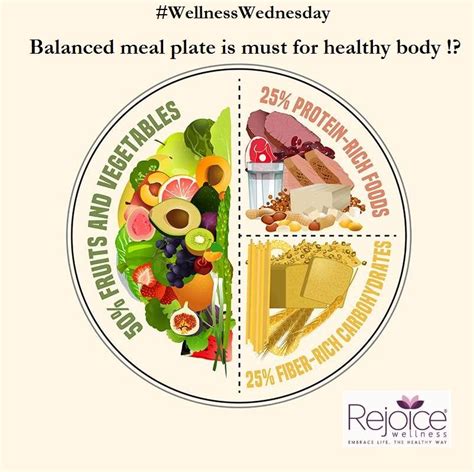
This classic approach is perfect for ensuring balanced meals without tedious calculations. Divide your virtual (or actual!) plate into sections: half for non-starchy vegetables, a quarter for lean protein, and a quarter for whole grains or starchy vegetables. Visually mapping out each meal this way ensures you’re getting a good mix of nutrients.
How to use it: Sketch out your week’s dinners, drawing a plate for each day and filling it with simple representations of your chosen ingredients. For instance, a green circle for broccoli, a brown rectangle for chicken, and a smaller yellow circle for quinoa. This instantly shows if your meals are balanced and colorful.
2. Color-Coded Container System
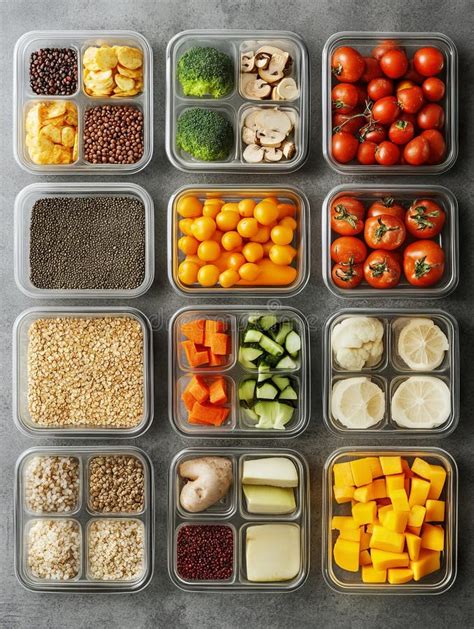
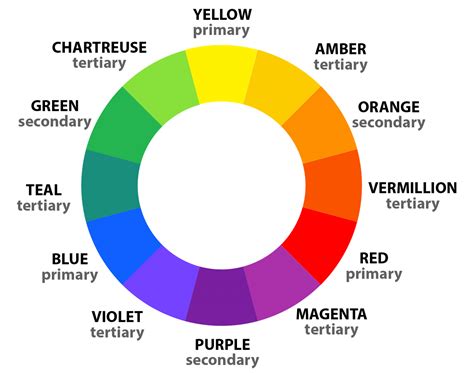
Ideal for meal preppers, this system uses different colored containers (or labels) to represent different food groups. For example, green for vegetables, red for protein, yellow for carbs, and blue for healthy fats. When packing lunches, you simply grab one of each color, ensuring a complete meal.
How to use it: Once a week, prep a variety of ingredients for each color category. Then, mix and match to fill your containers for the week. This visual cue makes portion control intuitive and prevents monotonous meals.
3. “Mix & Match” Components Board
This method breaks down meals into components rather than fixed recipes, offering incredible flexibility. Think of a whiteboard or digital canvas divided into categories: Proteins (chicken, tofu, lentils), Carbs (rice, sweet potatoes, pasta), Veggies (broccoli, spinach, peppers), and Sauces/Dressings. Each week, list a few options under each category.
How to use it: When mealtime arrives, simply pick one item from each category to build a quick and delicious meal. This visual freedom encourages creativity and reduces the pressure of sticking to rigid recipes.
4. The “Theme Night” Grid
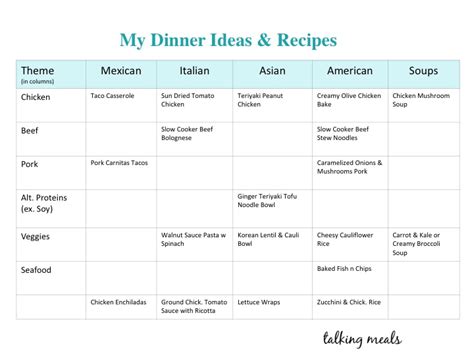
Simplify dinner decisions by assigning a theme to each night of the week. This significantly narrows down your options, making planning quicker. Examples include ‘Meatless Monday,’ ‘Taco Tuesday,’ ‘Pasta Wednesday,’ ‘Stir-fry Thursday,’ ‘Pizza Friday,’ ‘Soup Saturday,’ and ‘Roast Sunday.’
How to use it: Create a simple weekly grid and write your theme for each day. Then, brainstorm 1-2 recipes that fit each theme. This visual framework makes grocery lists easier to build and provides structure without being overly restrictive.
Tips for Maximizing Your Visual Meal Plan
- Start Small: Don’t try to plan every single meal at once. Begin with dinners, then add lunches.
- Batch Cook Components: Dedicate an hour or two on the weekend to cook grains, roast vegetables, and prepare proteins that can be used in multiple meals.
- Smart Grocery Shopping: Use your visual plan to create a targeted grocery list, minimizing impulse buys and ensuring you have everything you need.
- Utilize Digital Tools: Apps and online templates can help you create and store your visual meal plans, making them accessible anywhere.
- Be Flexible: Life happens! Don’t stress if you deviate from your plan. The goal is progress, not perfection.
Embrace Simplicity for Sustainable Health
Adopting a visual meal planning strategy can transform your approach to healthy eating, making it less of a chore and more of an intuitive lifestyle. By leveraging visual cues, busy individuals can effortlessly navigate their nutritional goals, enjoy a diverse diet, and reclaim valuable time. Experiment with these ideas, find what resonates with you, and embark on a journey towards a healthier, more organized you.