Real foodies: What visual cues signal truly authentic local food spots?

For true culinary adventurers, the search for authentic local food is a sacred quest. Beyond the glossy tourist traps and chain restaurants lies a world of genuine flavors, family recipes, and cultural immersion. But how do you, a discerning foodie, sift through the noise and pinpoint those hidden gems? The secret often lies in subtle visual cues that speak volumes about a spot’s authenticity.
The Worn-Out Charm of the Exterior
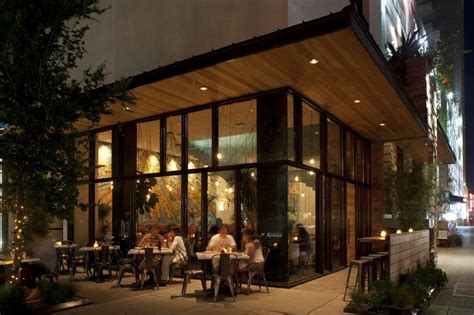
Often, the first clue to an authentic local eatery isn’t a flashy sign or a polished facade, but quite the opposite. Look for establishments that show a bit of age – a faded paint job, a slightly crooked sign, or an entrance that blends seamlessly into the local streetscape rather than shouting for attention. These visual ‘imperfections’ often signal a place that has stood the test of time, relying on its food, not its curb appeal, to draw patrons.
A Menu That Speaks Volumes (or Little)
Another strong indicator is the menu itself. Authentic local spots often feature menus that are handwritten, laminated, or even just chalkboards. A short, focused menu, perhaps with daily specials or a limited number of signature dishes, is usually a good sign. It suggests specialization and mastery over a few items, rather than a sprawling, generic list attempting to cater to all tastes. Beware of multi-cuisine menus that offer everything from pizza to sushi; true authenticity often comes with a distinct culinary identity.

The Buzz of Local Patrons
Perhaps the most reliable visual cue is the clientele. If a restaurant is bustling with locals – families, business people on lunch breaks, or groups of friends chatting animatedly – you’re likely on the right track. Long queues, especially during off-peak hours, are another golden sign. Tourists are easy to spot, but a room full of people speaking the local language, laughing, and seemingly at ease, indicates a place that is deeply ingrained in the community’s daily life and culinary rhythm. It’s a vote of confidence that speaks louder than any review.
An Interior Designed for Function, Not Flash
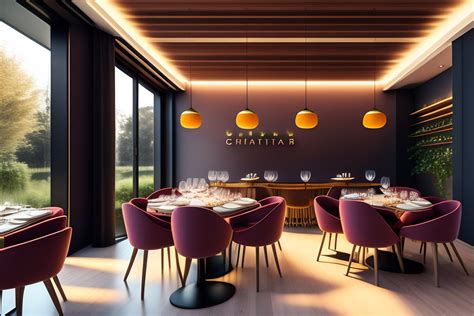
Step inside, and observe the decor. Authentic local spots often prioritize function and comfort over ostentatious design. Expect simple, sturdy furniture, perhaps a bit mismatched, and decorations that reflect local culture or history rather than generic ‘restaurant art.’ Visible kitchens, where you can catch a glimpse of the chefs at work, also add to the transparency and authenticity, signaling confidence in their craft. A no-frills environment often means all the effort goes into the food.

The Aroma and the Buzz of the Kitchen
While primarily olfactory, a good sniff test can reinforce visual cues. A kitchen that is visibly active, with steam rising and chefs meticulously preparing dishes, combined with tantalizing aromas, is a strong indicator. Look for signs of fresh ingredients being handled, open prep areas, and a sense of purposeful activity. The staff, often friendly but focused, might be family members or long-term employees, adding to the feeling of a well-oiled, passionate operation.

Decoding these visual cues is an art form that keen foodies hone over time. While no single sign guarantees perfection, a combination of these indicators dramatically increases your chances of unearthing a truly authentic local dining experience. So next time you’re exploring a new city, trust your senses, look beyond the obvious, and prepare to embark on a delicious journey into the heart of local cuisine.