Real foodies: What’s your best visual tip for finding authentic local eats?
The Quest for Authentic Flavors
For any true food enthusiast, traveling isn’t just about seeing sights; it’s about tasting the culture. The holy grail for many is finding that elusive, truly authentic local eatery – the spot where traditions thrive, and flavors speak volumes. But in a world often saturated with tourist traps and generic chains, how do you visually discern the genuine from the ersatz?
We’ve polled seasoned foodies and globetrotters to uncover their best visual cues for sniffing out those hidden culinary gems. Forget the guidebooks for a moment; sometimes, the best tips come from observing the world around you.
The ‘Local Test’: Follow the Crowd (and the Demographics)
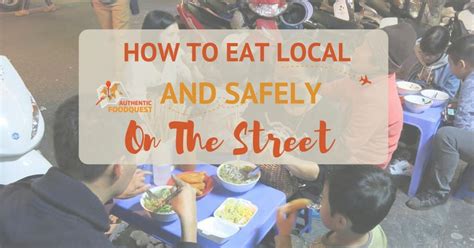
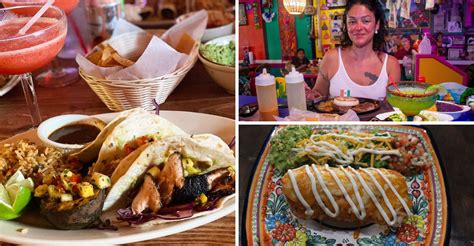
One of the most universally cited tips is deceptively simple: look for locals. A restaurant packed with residents during peak hours is almost always a good sign. But go deeper. Observe the demographics – are they families, workers on lunch breaks, or elderly groups enjoying a meal? If the majority of patrons reflect the local population and not just fellow tourists, you’re likely onto something good. Overly enthusiastic greeters outside an empty restaurant, especially one near a major attraction, should raise a red flag.
Signage and Menu Clues: Language and Simplicity
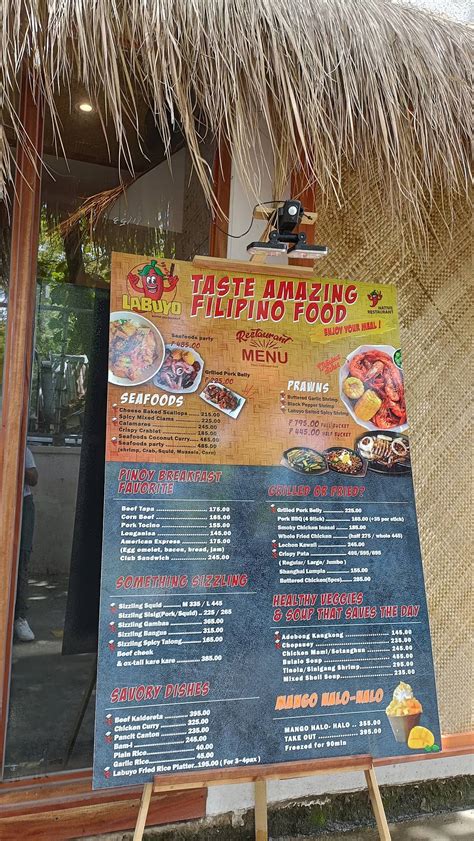
Take a good look at the exterior and the menu. Is the signage predominantly in the local language, with perhaps a very small English translation, or none at all? This often indicates a place catering to its community rather than international visitors. Similarly, a menu that is short, focused, and handwritten or laminated rather than glossy and multi-page in five languages, often signals a specialty. When a restaurant tries to do everything, it rarely does anything exceptionally well. A place proud of its few, well-made dishes is a gem.
The Kitchen and Ingredient Freshness: What You See Matters
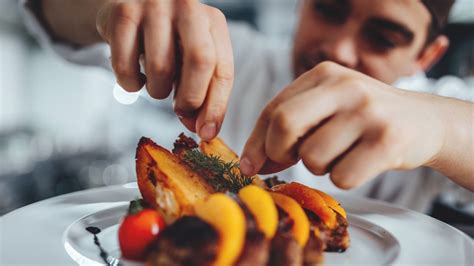
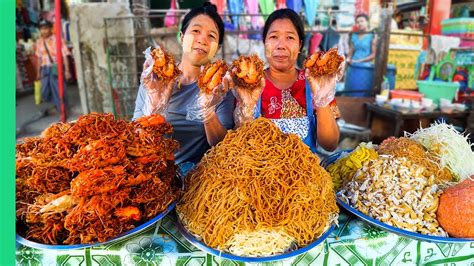
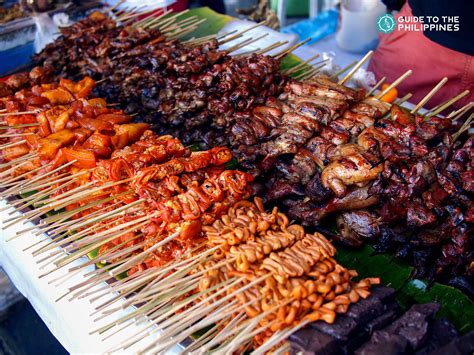
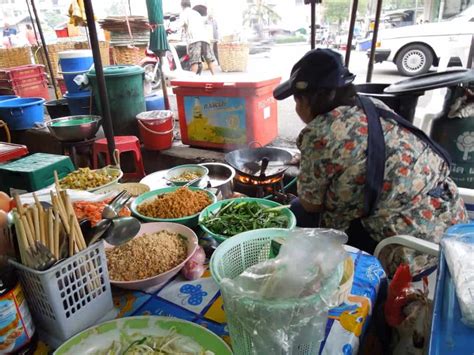
If you can catch a glimpse of the kitchen or food preparation area, pay attention. Is it bustling with activity? Are ingredients visible and looking fresh? In many cultures, street food vendors or small eateries will prepare dishes right in front of you. Observing the freshness of produce, the cleanliness (within reason – street food doesn’t always mean sterile, but it shouldn’t be overtly dirty), and the speed of preparation can tell you a lot about the quality and authenticity of the food you’re about to enjoy. Steam, sizzle, and vibrant colors are your friends.
Aesthetic vs. Authenticity: Don’t Judge a Book by its Cover
Often, the most authentic places are not the ones with the most polished decor. In fact, a slightly worn, unpretentious atmosphere can be a strong indicator of a place that prioritizes food quality over fancy interiors. Look for places that seem to have been there for generations, with well-used tables and chairs, and perhaps a family photo or two on the wall. A restaurant that looks too new, too trendy, or too generic in its design, particularly in a historic area, might be trying to appeal to a broad, less discerning audience.
Beyond the Main Drag: Explore Side Streets and Markets
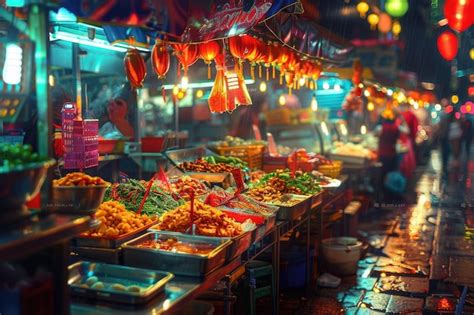
Finally, expand your search beyond the obvious. Wander a few blocks off the main tourist arteries. The best local eats are often tucked away on side streets, in unassuming alleyways, or within bustling local markets. These locations naturally filter out the casual tourist, leaving behind establishments that cater purely to the local palate. Follow the scent of spices and sizzling food, and you might just stumble upon your next unforgettable meal.
Conclusion: Trust Your Eyes (and Nose!)
While guidebooks and online reviews have their place, the real joy of discovering authentic local food often comes from sharpening your observational skills. By paying attention to who’s eating where, what the menus say (or don’t say), the freshness of ingredients, the ambiance, and venturing off the beaten path, you can significantly increase your chances of finding truly memorable, genuine culinary experiences. Happy hunting, foodies!