Recipe adjustment tips for perfectly crisp roasted vegetables visually stunning?
The Quest for Perfectly Roasted Vegetables
Roasted vegetables are a culinary cornerstone – simple, healthy, and incredibly flavorful. Yet, many home cooks struggle to achieve that coveted combination of perfectly crisp exteriors, tender interiors, and vibrant, appetizing colors. The common pitfalls? Soggy textures, bland appearances, and uneven cooking. The good news is, with a few strategic adjustments to your recipe and technique, you can elevate your roasted vegetables from an afterthought to a show-stopping side dish.
This guide will walk you through the precise steps and crucial tips to ensure your roasted vegetables are not only irresistibly crunchy but also a feast for the eyes.
Foundation for Crispness: Preparation is Key
The journey to crispness begins long before your vegetables even hit the oven. Moisture is the enemy of a crisp roast. Start by thoroughly washing your chosen vegetables, then pat them absolutely dry with a clean kitchen towel or paper towels. Any residual water will steam the vegetables instead of roasting them, leading to a limp, rather than crisp, result.
Equally critical is avoiding overcrowding the baking sheet. Give your vegetables space to breathe! When vegetables are packed too tightly, they release steam, which gets trapped and prevents proper caramelization and crisping. Use multiple baking sheets if necessary, ensuring each piece has direct contact with the hot surface and ample air circulation around it.

The Art of Fat and Seasoning
Choosing the right fat and applying it correctly is paramount. Opt for oils with a high smoke point, such as olive oil (though for very high temps, avocado or grapeseed oil might be preferred), canola, or sunflower oil. Drizzle just enough oil to lightly coat the vegetables – too much will make them greasy, too little will lead to uneven browning and sticking. Toss the vegetables vigorously with your hands or tongs to ensure every surface is lightly coated.
Season generously with salt and freshly ground black pepper before roasting. Salt helps draw out moisture initially and enhances flavor. For added depth, consider herbs like rosemary, thyme, or oregano, either fresh or dried. Delicate fresh herbs are often best added towards the end of roasting or as a garnish to preserve their flavor and color.
Mastering the Heat: Oven Temperature and Timing
High heat is non-negotiable for crisp roasted vegetables. Preheat your oven to a minimum of 400°F (200°C), and sometimes even up to 425-450°F (220-230°C), depending on the vegetable. Preheating thoroughly is key; put your empty baking sheets into the hot oven for 5-10 minutes before adding the vegetables. This preheats the pan itself, creating an instant sear and preventing sticking.
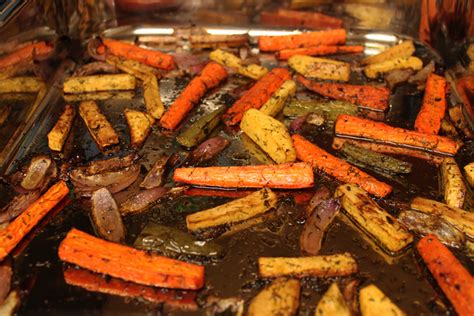
Roasting time will vary by vegetable type and size. Harder vegetables like potatoes, carrots, and sweet potatoes will take longer (30-45 minutes) than softer ones like bell peppers, zucchini, or broccoli (15-25 minutes). Flip or toss the vegetables halfway through roasting to ensure even browning and crispness on all sides.
Elevating Visual Appeal
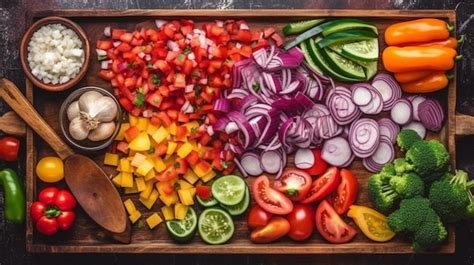
Visual appeal begins with thoughtful preparation. Cut your vegetables into uniform sizes and shapes. This not only ensures even cooking but also creates a more professional and inviting presentation. Think about consistent cubes, wedges, or florets.
Introduce a spectrum of colors. A mix of vibrant bell peppers (red, yellow, orange), green broccoli or asparagus, purple onions, and orange carrots instantly makes your dish more attractive. The natural browning and caramelization from roasting will add even more visual depth and texture, making your plate truly stunning.

Finishing Touches for Flavor and Sparkle
Once your vegetables are out of the oven, don’t stop there. A squeeze of fresh lemon juice or a drizzle of balsamic glaze can brighten flavors and add a beautiful sheen. Sprinkle with fresh, chopped herbs like parsley, chives, or cilantro for a burst of color and aromatic freshness.
For an extra layer of visual and textural interest, consider a light dusting of parmesan cheese during the last 5-10 minutes of roasting, or a sprinkle of toasted nuts or seeds (like sesame or pumpkin seeds) just before serving. These final touches not only amplify taste but also create an irresistible presentation.
Common Pitfalls to Avoid
- Under-drying: Always pat your vegetables thoroughly dry.
- Overcrowding: Give your vegetables room to breathe on the baking sheet.
- Low Heat: Roast at high temperatures (400-450°F / 200-230°C) with a preheated pan.
- Insufficient Oil: Use enough oil to lightly coat all surfaces, but not so much that they’re swimming.
- Inconsistent Cuts: Uniformity ensures even cooking and better presentation.
Conclusion
Achieving perfectly crisp and visually stunning roasted vegetables is a skill that comes with understanding a few fundamental principles. By focusing on dryness, proper oiling, high heat, even spacing, and thoughtful finishing touches, you can consistently produce roasted vegetables that are a delight to both the palate and the eyes. Experiment with different vegetable combinations and seasonings to discover your favorites, and enjoy the delicious rewards of these simple yet impactful recipe adjustments.