Recipe plating secrets: How to achieve stunning visual appeal & vibrant colors?

In the culinary world, what’s on the plate is just as important as what’s in the plate. The art of plating elevates a simple meal into an unforgettable dining experience, tantalizing not just the taste buds but also the eyes. Learning to present your food beautifully can transform everyday dishes into culinary masterpieces, making them more appealing, more appetizing, and ultimately, more enjoyable. This guide will uncover the secrets to achieving stunning visual appeal and vibrant colors in your recipes, turning every meal into a feast for the senses.
The Foundation: Understanding Key Plating Elements
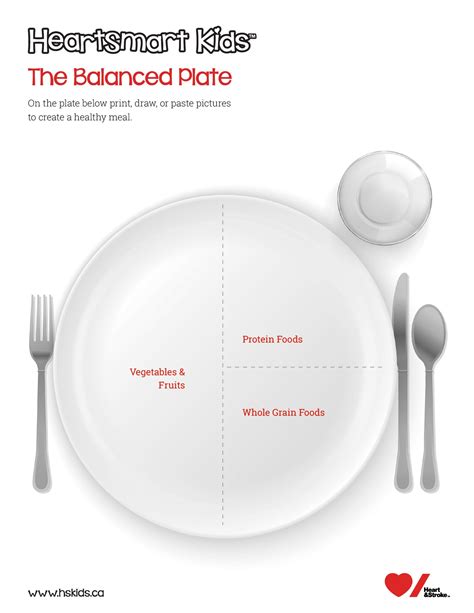
Before diving into specific techniques, it’s crucial to grasp the fundamental elements that contribute to an appealing plate: color, texture, shape, and arrangement. Each plays a vital role in creating a harmonious and visually interesting dish. A well-plated meal thoughtfully considers how these elements interact, guiding the diner’s eye across the plate and building anticipation for the first bite.
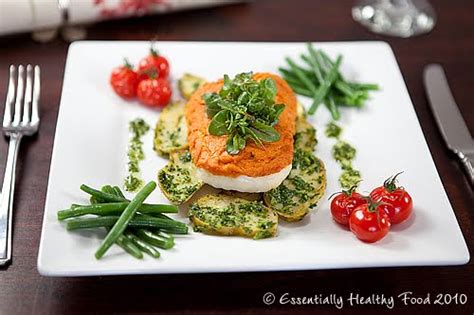
Consider the interplay of contrasting colors, varying textures, and distinct shapes to add dynamism. For instance, a dish of creamy mashed potatoes paired with crisp, green asparagus and a seared protein offers a delightful contrast in all three areas. Aim for balance and avoid overcrowding the plate, allowing each component to shine.
Mastering Color: The Key to Vibrant Dishes
Color is arguably the most impactful element in food presentation. Vibrant, natural colors make food look fresh, healthy, and appetizing. To achieve this, start with high-quality, fresh ingredients. Brightly colored vegetables, herbs, and fruits are your best friends. Think about how different colors can complement or contrast each other on the plate. A splash of red from a tomato or a sprinkle of green herbs can instantly liven up a monochromatic dish.
Techniques like blanching vegetables briefly in boiling water and then shocking them in ice water can preserve their vibrant hues. Don’t be afraid to use garnishes strategically; a sprig of fresh dill, a scattering of pomegranate seeds, or a swirl of bright sauce can add that critical pop of color. Remember the color wheel: complementary colors (like red and green) often create the most striking contrasts.

Texture and Shape: Adding Depth and Interest
Beyond color, texture and shape add crucial depth and interest to your plate. A monotonous texture can make a dish seem unappealing, no matter how good it tastes. Incorporate a variety of textures – crisp, creamy, crunchy, smooth, chewy – to keep the diner engaged. This could mean adding toasted nuts for crunch, a purée for smoothness, or a perfectly seared crust for a satisfying bite.
Similarly, varying shapes prevents a dish from looking flat. Utilize different cutting techniques for vegetables (diced, julienned, sliced, whole) and consider how the main protein is presented. Using ring molds for rice or mashed potatoes can create neat, architectural shapes, while artfully arranging ingredients can create natural curves and lines. Think vertically as well; stacking components can add impressive height.
The Art of Arrangement: Balance and Flow
Once you have your colorful, textured, and shaped components, the next step is arranging them on the plate with intention. The goal is to create balance and flow, guiding the diner’s eye. Many chefs adhere to the “rule of thirds,” imagining the plate divided into a tic-tac-toe grid and placing key elements at the intersections.
Consider negative space – the empty areas on the plate. These are just as important as the filled areas, as they allow the ingredients to breathe and prevent the dish from looking cluttered. Think about the “flow” of the dish, creating a sense of movement or a focal point. Often, the main protein is placed first, with accompanying elements arranged around it in a thoughtful, almost artistic manner. Using odd numbers of items (e.g., 3 scallops instead of 2 or 4) can also create a more aesthetically pleasing arrangement.

Tools and Techniques for Professional Plating
While creativity is key, a few simple tools and techniques can significantly elevate your plating game. Squeeze bottles are excellent for creating intricate sauce drizzles or dots. Ring molds help achieve perfectly round, stacked components. Tweezers can be invaluable for delicate placement of microgreens or small garnishes. Always ensure your plates are immaculately clean, wiping away any drips or smudges with a damp cloth before serving.
Experiment with different plate shapes and colors; a white plate often makes colors pop, while a black plate can add dramatic contrast. Don’t be afraid to practice and experiment. Take photos of your dishes to critically assess your plating and identify areas for improvement. Over time, you’ll develop your own unique plating style.
Conclusion
Plating is an essential skill for any aspiring chef or home cook looking to impress. By understanding and applying the secrets of color, texture, shape, and arrangement, along with utilizing practical tools and techniques, you can transform your dishes from merely delicious to visually stunning. Remember, practice is key, and with every meal you plate, you’ll hone your artistic eye and create culinary presentations that are as delightful to behold as they are to taste. So, next time you cook, take a moment to consider the canvas before you and paint a masterpiece.