Recipe presentation secrets for stunning foodie visuals?
Mastering the Art of Food Styling and Presentation
In today’s visually driven world, a recipe’s appeal often begins long before the first bite. Stunning foodie visuals are no longer just for professional chefs or photographers; with a few key techniques, anyone can elevate their dish presentation from ordinary to extraordinary. This guide will walk you through the essential secrets to making your culinary creations look as delicious as they taste, captivating your audience with every glance.
The Power of Good Lighting
Lighting is arguably the most critical element in food photography and presentation. Natural light is your best friend. Position your dish near a window, ideally in soft, diffused daylight. Avoid harsh, direct sunlight or overhead artificial lights, which can create unflattering shadows and color casts. If natural light isn’t an option, invest in a softbox or a good quality LED light with a diffuser to mimic the gentle glow of natural light. Experiment with different angles to find the light that best highlights your food’s texture and vibrancy.

Strategic Plating and Composition
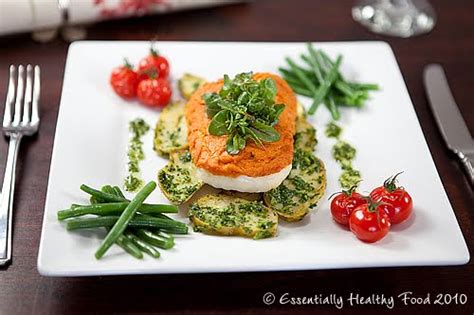
Think of your plate as a canvas. The goal is to create a harmonious and inviting composition. Start with a clean, unblemished plate. Focus on the ‘rule of thirds’ or a clear focal point. Arrange ingredients thoughtfully, rather than just piling them up. Consider height and dimension – stack elements slightly to add visual interest. Use contrasting colors and textures to make components pop. A drizzle of sauce, a sprinkle of fresh herbs, or a dusting of spice can add crucial finishing touches that tie the dish together.
Choosing the Right Props and Backgrounds
Props and backgrounds set the scene and tell a story about your food, but they should never overshadow the dish itself. Opt for simple, rustic, or complementary props like wooden cutting boards, linen napkins, vintage cutlery, or small bowls of fresh ingredients. A neutral background – think wood, stone, or a simple white or dark surface – helps the food stand out. Avoid cluttered backgrounds that distract the eye. The overall aesthetic should enhance, not compete with, your masterpiece.
Garnishes: The Final Flourish
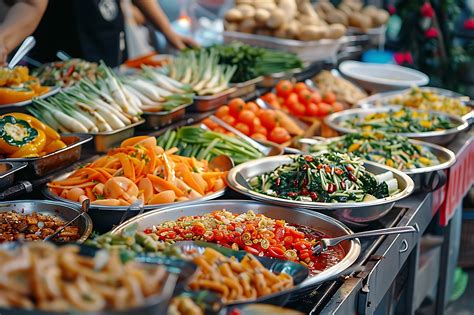
Garnishes are more than just decoration; they are the exclamation mark on your dish. Fresh herbs like parsley, cilantro, or rosemary add a vibrant touch of green and aroma. Citrus zest, edible flowers, a sprinkle of nuts, seeds, or a drizzle of olive oil can instantly elevate a dish’s visual appeal. Ensure your garnishes are fresh, clean, and proportional to the dish. Less is often more; a carefully placed garnish is far more effective than an overcrowded one.
Mastering Angles and Perspectives
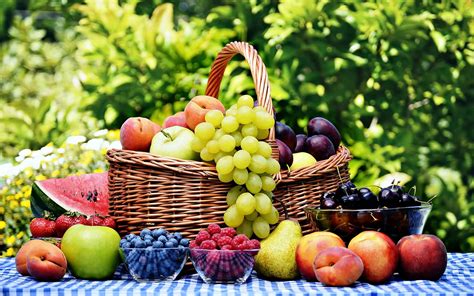
Different dishes look best from different angles. A flat lay (overhead shot) works wonderfully for vibrant salads, pizzas, or beautifully arranged bowls where all ingredients are visible. For dishes with height, like burgers or cakes, a 45-degree angle or even a straight-on shot can best showcase their structure. Experiment with various angles to find the most flattering perspective that highlights your dish’s best features and brings out its texture and depth.
Post-Processing for Perfection
Even with the best natural light and styling, a little post-processing can go a long way. Basic edits like adjusting brightness, contrast, white balance, and saturation can make your food photos truly shine. Be careful not to over-edit; the goal is to enhance the natural beauty of the food, not to create an artificial look. Cropping and straightening can also improve composition and focus, ensuring your food visuals are as polished and professional as possible.
Conclusion
Transforming your recipes into stunning foodie visuals is an enjoyable journey of creativity and attention to detail. By focusing on good lighting, thoughtful plating, strategic props, artful garnishes, varied angles, and subtle post-processing, you can create images that not only entice but also truly reflect the passion and flavor behind your culinary efforts. Start experimenting with these secrets today and watch your food photography flourish!