Recipe tips for achieving vibrant color and tempting texture visuals?
Elevate Your Culinary Creations with Visual Appeal
In the world of cooking, flavor is paramount, but the visual presentation of a dish is often what first entices the senses. A plate that bursts with vibrant colors and promises interesting textures can transform a simple meal into an unforgettable dining experience. Mastering these visual elements not only makes your food more appealing but often indicates freshness, proper cooking, and thoughtful preparation. Let’s delve into practical tips that will help you achieve stunning visuals in your home kitchen.
![🔥 [63+] Colorful Flowers Backgrounds | WallpaperSafari](/images/aHR0cHM6Ly90czQubW0uYmluZy5uZXQvdGg/aWQ9T0lQLjFnZWZfdlFDalNONk1vMGxTX09ZakFIYUVvJnBpZD0xNS4x.webp)
Mastering Vibrant Hues: The Art of Color
Achieving brilliant colors starts long before the cooking begins. It’s about careful selection and smart handling.
Ingredient Selection and Preparation
- Choose Fresh and Seasonal: The ripest fruits and vegetables naturally possess the most intense, beautiful colors. Prioritize seasonal produce for peak vibrancy.
- Proper Storage: Store ingredients correctly to maintain their color and prevent dulling. Keep greens crisp in sealed containers, and handle delicate berries gently.
- Wash and Cut Thoughtfully: Clean produce thoroughly. For items like carrots or bell peppers, consider leaving a small portion of the skin on for an extra pop of color, where appropriate.
Smart Cooking Techniques for Color Retention
- Blanching: For green vegetables like broccoli, asparagus, or green beans, a quick blanch in salted boiling water followed by an ice bath locks in chlorophyll, preserving their bright green hue.
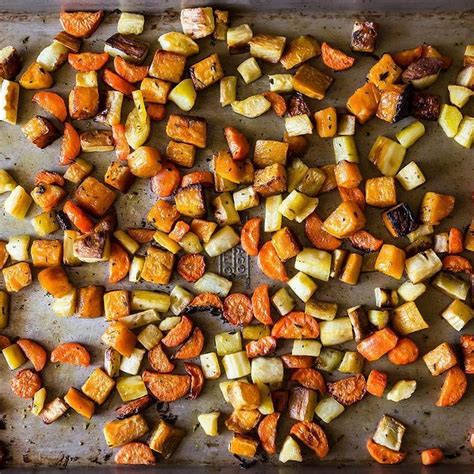
- Roasting and Searing: High-heat cooking methods like roasting, grilling, or searing develop beautiful caramelization (Maillard reaction) and browning, adding rich, deep colors and fantastic flavor. Don’t overcrowd the pan, allowing ingredients to truly brown.
- Avoid Overcooking: Overcooking often dulls colors and can turn vibrant greens into olive drab. Cook vegetables just until tender-crisp.
- Acidity for Brightness: A squeeze of lemon juice, a dash of vinegar, or a splash of white wine at the end of cooking can brighten flavors and intensify colors, especially in sauces and vegetable dishes.
Garnishes and Natural Color Boosters
Never underestimate the power of a good garnish. Fresh herbs like parsley, cilantro, or chives add an immediate burst of green. A sprinkle of paprika, turmeric, or saffron can infuse dishes with warm yellows and reds. Edible flowers or a drizzle of vibrantly colored oil (like chili oil or basil oil) also make a significant impact.
Crafting Tempting Textures: A Feast for the Palate
Texture provides interest and depth to a dish. A variety of textures keeps each bite exciting and satisfying.
Variety is Key
Think about combining different textural elements on your plate. Pair something soft and creamy with something crisp, or a tender protein with crunchy vegetables. For example, creamy mashed potatoes with crispy roasted chicken skin, or al dente pasta with crunchy toasted breadcrumbs.
Cooking Methods for Texture Development
- Searing and Frying: These methods create desirable crispy exteriors, whether it’s a perfectly seared scallop or golden-brown fried chicken.
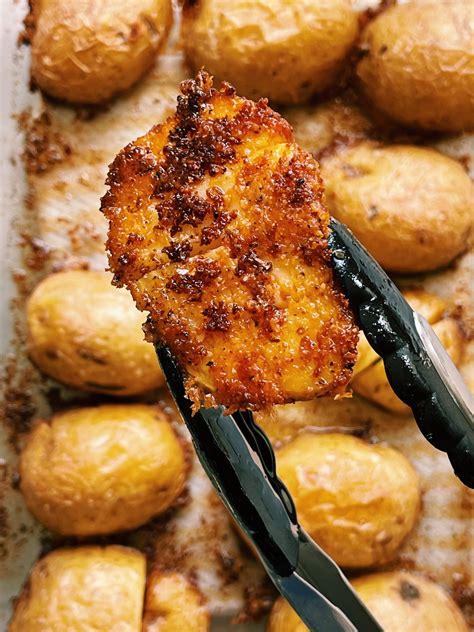
- Roasting: Roasting vegetables like potatoes, carrots, or Brussels sprouts at high temperatures yields tender interiors and beautifully caramelized, slightly crispy edges.
- Braising and Slow Cooking: These techniques produce incredibly tender, fall-apart meats and vegetables, offering a meltingly soft texture.
- Baking: From crusty bread to flaky pastries, baking can create a wide range of satisfying textures.
Layering and Garnishing for Texture
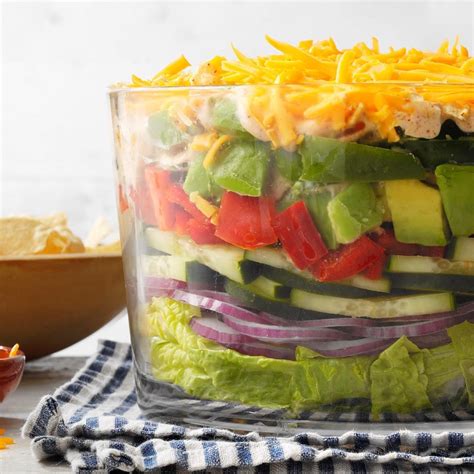
- Layering: Build your dishes with intentional layers of texture. A bruschetta, for instance, has crunchy toast, soft tomatoes, and fresh basil.
- Crunchy Toppings: Nuts, seeds, croutons, toasted breadcrumbs, fried shallots, or crispy bacon bits are excellent for adding a much-needed textural contrast.
- Creamy Elements: A dollop of crème fraîche, a swirl of rich sauce, or a sprinkle of grated cheese can introduce a smooth, luscious texture.
The Art of Plating: Bringing It All Together
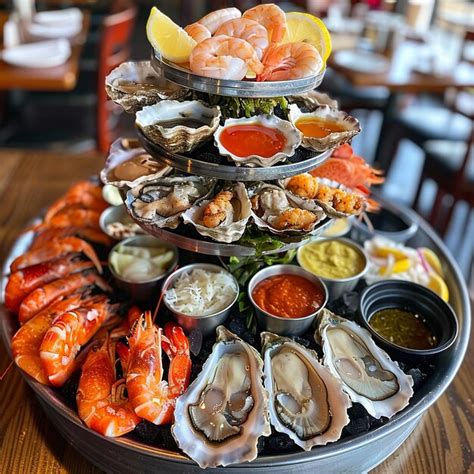
Once you’ve mastered color and texture, thoughtful plating is the final step in creating a visually stunning dish. Consider:
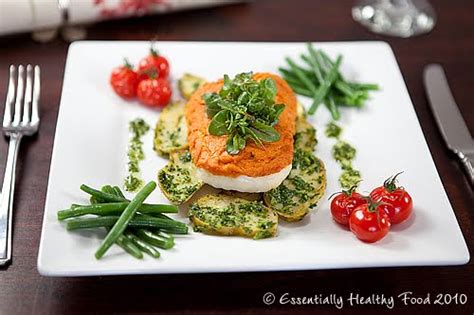
- Contrast: Use contrasting colors and textures strategically.
- Height: Build dishes upward to add visual interest.
- Cleanliness: A clean plate with no spills or smudges is crucial.
- Rule of Thirds: Position elements off-center for a more dynamic composition, similar to photography principles.

Conclusion
Achieving vibrant colors and tempting textures in your cooking is a skill that enhances the entire dining experience. By paying attention to ingredient quality, employing smart cooking techniques, and thoughtfully plating your creations, you can elevate everyday meals into culinary masterpieces that are as delightful to behold as they are to taste. Experiment with these tips, and watch your dishes transform!