Secret to achieving vibrant plate presentation for any home-cooked dish?

Elevate Your Home Cooking: The Art of Vibrant Plate Presentation
Many home cooks focus intensely on flavor, and rightly so. But what if we told you that the visual appeal of your dish can significantly enhance the dining experience, making even the simplest meal feel gourmet? Achieving vibrant plate presentation isn’t a secret reserved for professional chefs; it’s an accessible skill that can elevate any home-cooked dish from ordinary to extraordinary. It’s about engaging all senses, starting with the eyes.

1. Embrace the Power of Color and Contrast
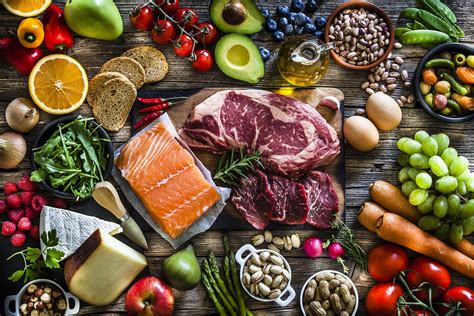
The first rule of vibrant presentation is understanding color. A plate dominated by a single color, no matter how delicious, can appear unappetizing. Aim for a spectrum of colors that naturally complement each other. Think about the rich reds of bell peppers, the vibrant greens of herbs, the sunny yellows of corn, or the deep purples of red cabbage. If your main component is monochromatic (like a creamy pasta or a brown stew), consciously introduce contrasting colors through garnishes or side components.
- Use varied produce: Incorporate vegetables of different hues.
- Bright sauces: A drizzle of pesto or a swirl of beet reduction can add a pop.
- Citrus zest: Lemon or lime zest provides both color and aroma.
2. Play with Texture and Shape
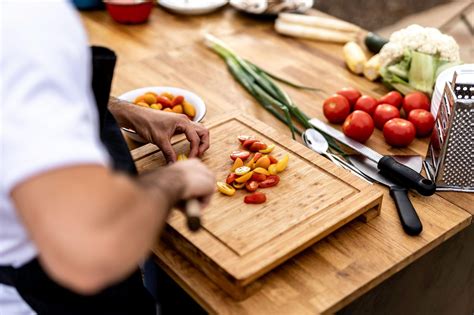
Monotonous textures can make a dish feel heavy and uninteresting. Introduce a variety of textures to keep the palate engaged. Think about the crispiness of a crouton, the crunch of toasted nuts, the creaminess of a sauce, or the tenderness of a perfectly cooked protein. Similarly, vary the shapes on your plate. Cubes, slices, juliennes, and whole pieces create visual interest.
3. Thoughtful Arrangement and Height
How you arrange components on the plate is crucial. Instead of just plopping food down, think of your plate as a canvas. A good rule of thumb is to build a little height. This adds dimension and makes the dish look more appealing. Consider placing your main protein as the anchor, then strategically layering or leaning other components against it. Avoid overcrowding; negative space is just as important as the food itself, allowing each element to stand out.
- The Rule of Thirds: Imagine dividing your plate into an invisible grid, placing key elements at the intersections.
- Stacking: Gently stack elements like vegetables or starches for elevation.
- Sauce application: Drizzle sauces artfully, rather than drowning the dish.
4. The Magic of Garnishes
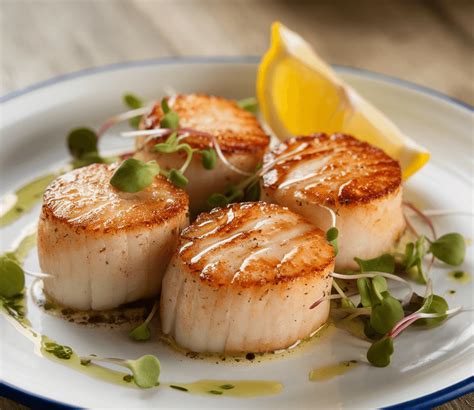
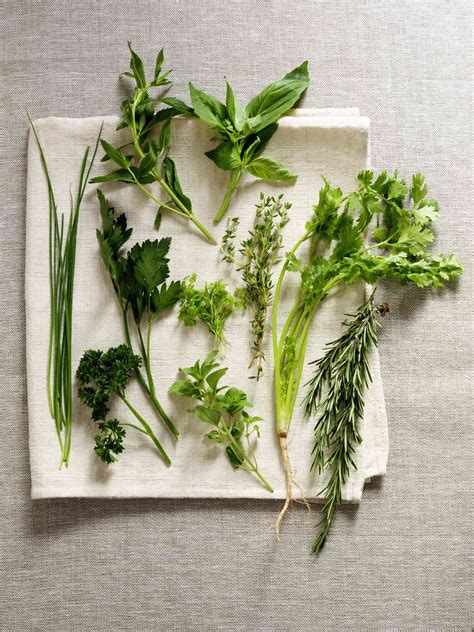
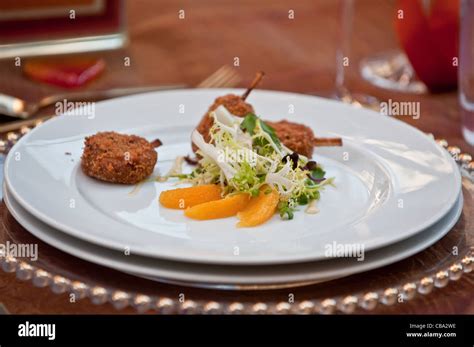
Garnishes are the final touch that can transform a good-looking dish into a spectacular one. They add freshness, color, and often an extra layer of flavor. A sprinkle of fresh herbs (parsley, cilantro, dill), a dusting of paprika, a few microgreens, a slice of lemon, or a drizzle of a contrasting oil can make all the difference. Choose garnishes that complement the dish’s flavors and add visual flair without overwhelming the main components.
5. Choose the Right Plate
The vessel itself plays a significant role in presentation. Often, simple white plates are best as they provide a neutral backdrop that makes colorful food pop. Consider the size and shape of your plate in relation to the portion size. A large portion on a small plate looks messy, while a small portion on an oversized plate can look sparse. Bowls are excellent for stews, soups, and dishes with sauces, while flatter plates suit solid components that can be artfully arranged.

Conclusion
Achieving vibrant plate presentation is less about complicated techniques and more about mindful consideration of your ingredients and how they interact visually. By paying attention to color, texture, arrangement, and the thoughtful use of garnishes and the right dinnerware, you can transform your home-cooked meals into truly memorable dining experiences. Start experimenting today, and watch your dishes come alive!